
In a world where stress and busy schedules often take over our lives, the search for relaxation and self-care becomes more important than ever. Among various wellness practices, body rubs stand out as an age-old technique that not only relieves tension but also revitalizes the body and mind. Whether you’re a newcomer curious about what body rubs entail or someone looking to deepen your appreciation for this therapeutic art, this comprehensive guide will walk you through everything you need to know about body rubs, their benefits, types, techniques, and how to choose the right service or product for a truly rejuvenating experience.
What Are Body Rubs? Understanding the Basics
Body rubs, often referred to as massage or body treatments, are hands-on therapies that involve applying pressure, massage oils, or lotions to the skin. This practice has been part of human culture for thousands of years, evolving across civilizations—from the ancient Egyptians and Greeks to traditional Chinese practices and modern spa therapies. The core idea is simple: using skilled touch to promote relaxation, improve circulation, and help the body heal itself.
Body rubs come in many forms, from gentle, soothing strokes meant to calm the nervous system to more vigorous techniques that help loosen tight muscles. These treatments can be performed by licensed massage therapists in professional settings or at home with proper tools and instruction. The ultimate goal of a body rub is to foster a sense of well-being, reduce stress, and promote physical health.
The Benefits of Body Rubs
Trying a body rub offers a multitude of physiological and psychological benefits. Let’s explore some of the main advantages:
- Stress Reduction: A massage stimulates the production of endorphins, the body’s natural feel-good chemicals, helping to alleviate anxiety and mental fatigue.
- Improved Circulation: Gentle or firm pressure encourages blood flow, which can boost oxygen and nutrient delivery to tissues, aiding in recovery and health.
- Muscle Relaxation: Techniques like deep tissue massage ease tension and knots formed by stress or overuse, providing relief from soreness.
- Enhanced Immunity: Regular body rubs potentially stimulate lymphatic drainage, which can support the immune system and help rid the body of toxins.
- Better Sleep: Relaxation achieved through body rubs can lead to improved sleep quality and duration.
- Skin Health: Application of moisturizers and oils during a body rub nourishes the skin, leaving it soft and hydrated.
Popular Types of Body Rubs
Not all body rubs are created equal; different types serve different purposes. Here are some of the most popular ones you might encounter:
Swedish Massage
Perhaps the most well-known style, Swedish massage involves long, gliding strokes, kneading, and circular movements to relax superficial muscles. It’s excellent for stress relief and general relaxation.
Deep Tissue Massage
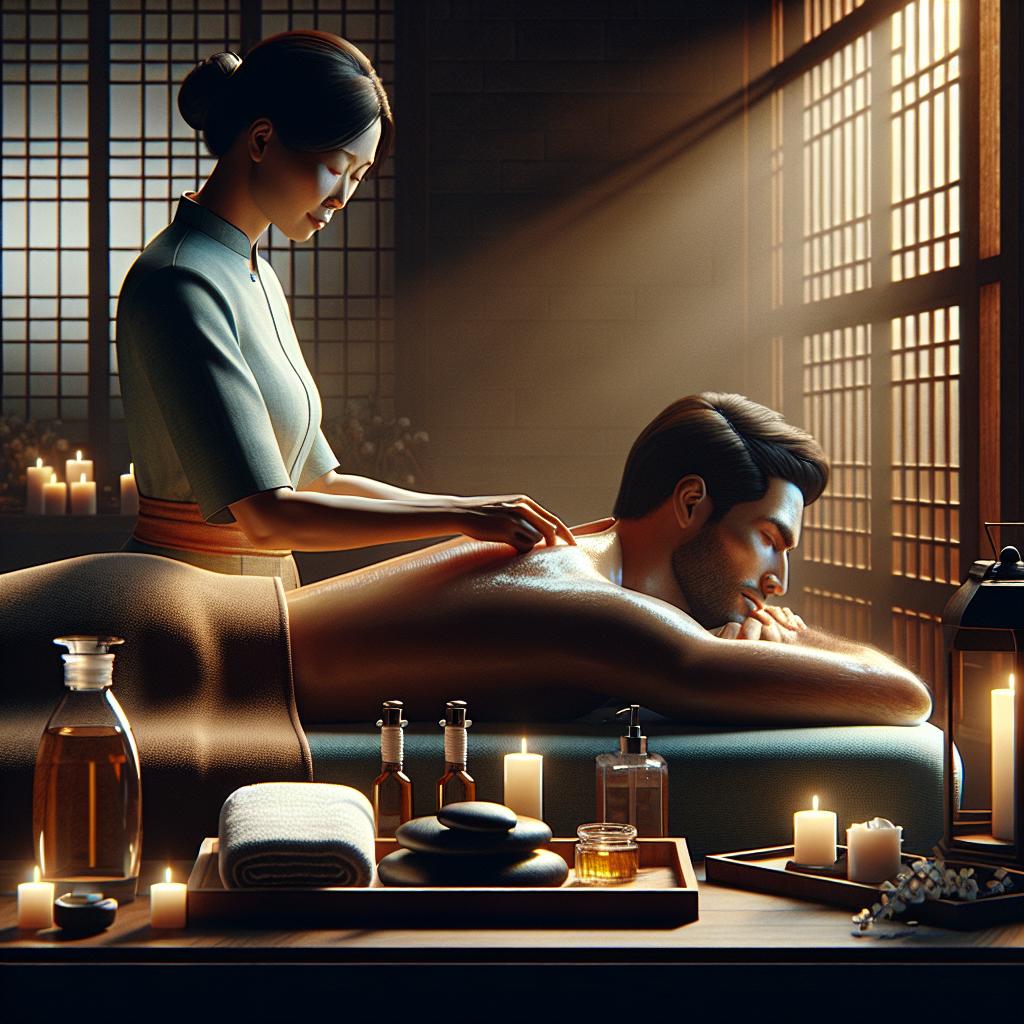
Focusing on the deeper layers of muscles and connective tissue, deep tissue massage uses slower, more forceful techniques. It’s particularly beneficial for chronic muscle pain or injuries.
Hot Stone Massage
This method incorporates heated stones placed on specific points of the body. The warmth penetrates muscles deeply, enhancing relaxation and blood flow.
Aromatherapy Body Rubs

In addition to massage techniques, essential oils are used for their therapeutic properties. Popular oils include lavender for relaxation and eucalyptus for invigorating effects.
Thai and Ayurvedic Body Treatments
These traditional approaches combine massage, stretching, and herbal elements to promote holistic wellness. They often involve specific oils and herbs tailored to individual needs.
Techniques and Tools in Body Rubs
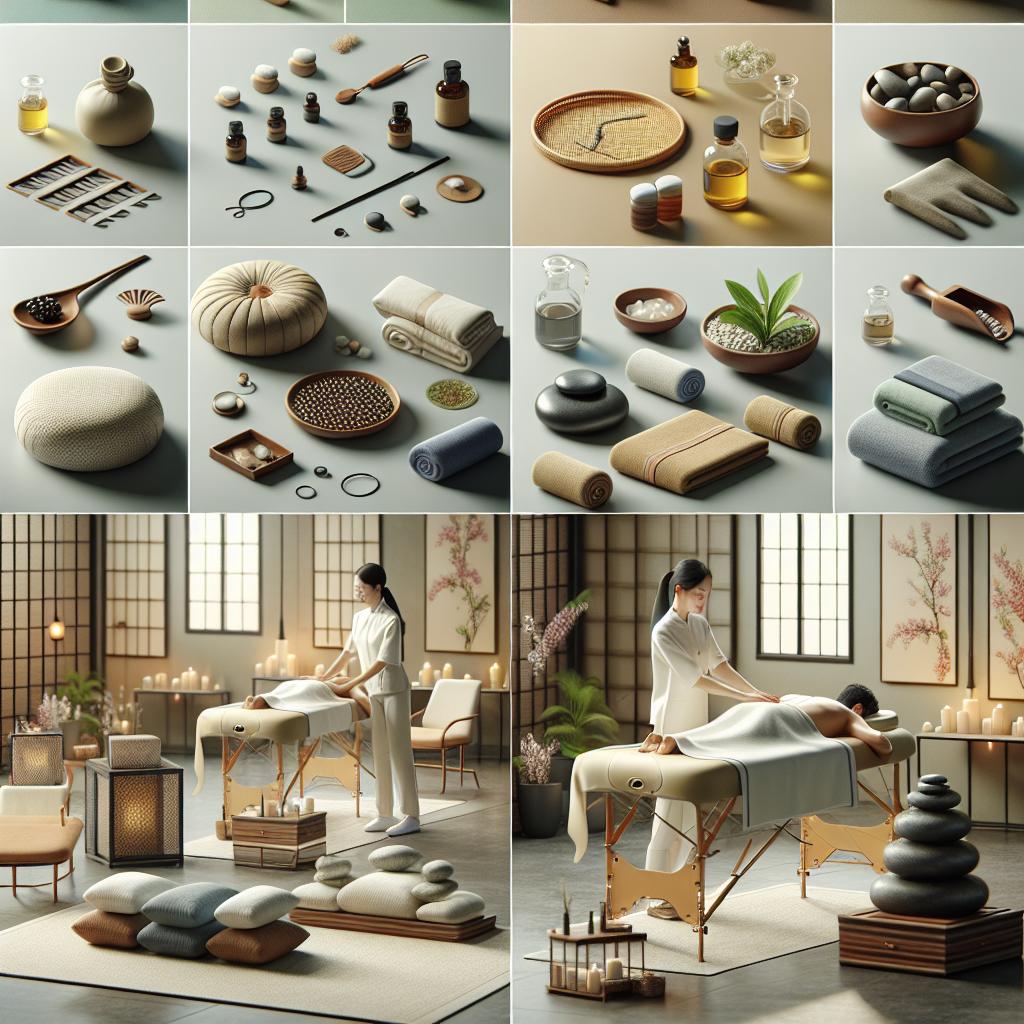
Understanding the techniques and tools used in body rubs can help you appreciate the craft. Here are some common methods:
| Technique | Description |
|---|---|
| Effleurage | Light, sweeping strokes used to warm up muscles and spread oil or lotion evenly. |
| Petrissage | Kneading and squeezing tissues to release tension and improve circulation. |
| Friction | Deeper, circular movements aimed at breaking down muscle knots and adhesions. |
| Tapotement | Rhythmic percussion movements to stimulate nerves and muscles. |
| Stretching | Gentle or vigorous stretches to enhance flexibility and reduce tightness. |
Tools such as massage oils, lotions, heated stones, and even massage gadgets can enhance the experience. Choosing the right tools depends on the desired outcome and personal preferences.
Choosing the Right Body Rub Service or Product
Finding the appropriate body rub service or product tailored to your needs involves considering several factors:
- Qualifications of the Therapist: Ensure they are certified with reputable licensing to guarantee safety and professionalism.
- Type of Massage: Decide whether you want a relaxing Swedish massage, therapeutic deep tissue, or a specialized treatment like aromatherapy.
- Environment: Look for salons or spas with a calming ambiance, cleanliness, and supportive facilities.
- Personal Preferences: Consider oil sensitivities, preferred pressure, and any health concerns.
- At-Home Options: For DIY body rubs, select quality oils, lotions, and massage tools. Look for products that are natural and free from harsh chemicals.
When choosing a service, reading reviews and asking for recommendations can also help ensure a satisfying experience.
DIY Body Rubs at Home: Tips and Tricks
Many people enjoy doing body rubs at home, whether for convenience or personal comfort. Here’s how to get started with a professional-quality massage in your own space:
- Select the right oils: Opt for natural oils like coconut, jojoba, or almond oil. Essential oils like lavender or peppermint add aroma and therapeutic benefits.
- Prepare the environment: Dim the lights, play calming music, and ensure the room is warm to enhance relaxation.
- Use proper technique: Start with gentle effleurage to warm up muscles, followed by kneading and deeper strokes if comfortable.
- Pay attention to feedback: Communicate with yourself or your partner to adjust pressure and focus on areas that need more attention.
- Clean up afterward: Wash your hands and body, and apply moisturizer to lock in hydration.
Practicing regularly can improve your skill over time and enhance the benefits of body rubs.
Precautions and Safety Tips
While body rubs provide numerous benefits, it’s important to approach them responsibly:
- Consult your doctor: Especially if you have underlying health conditions, skin issues, or are pregnant.
- Avoid certain areas: Do not massage over varicose veins, open wounds, or inflamed skin.
- Inform about allergies: Make sure to disclose any allergies to oils or lotions used.
- Seek qualified practitioners: Choose licensed therapists for professional treatments to prevent injuries.
- Listen to your body: Don’t push through pain; communicate if discomfort occurs.
By respecting these precautions, you can ensure a safe and enjoyable experience every time.
Conclusion
Incorporating body rubs into your wellness routine can be a game-changer for improving physical health, reducing stress, and boosting overall happiness. Whether you opt for a professional massage or try DIY techniques at home, understanding the different types, benefits, and safety considerations ensures you make the most out of this age-old practice. From Swedish and deep tissue to aromatherapy and herbal treatments, body rubs offer a versatile and accessible approach to self-care and relaxation. Exploring various techniques and products allows you to tailor the experience to your personal needs, ultimately promoting a healthier, more balanced life. Embrace the world of body rubs and discover how this simple yet powerful practice can transform your well-being for the better.