

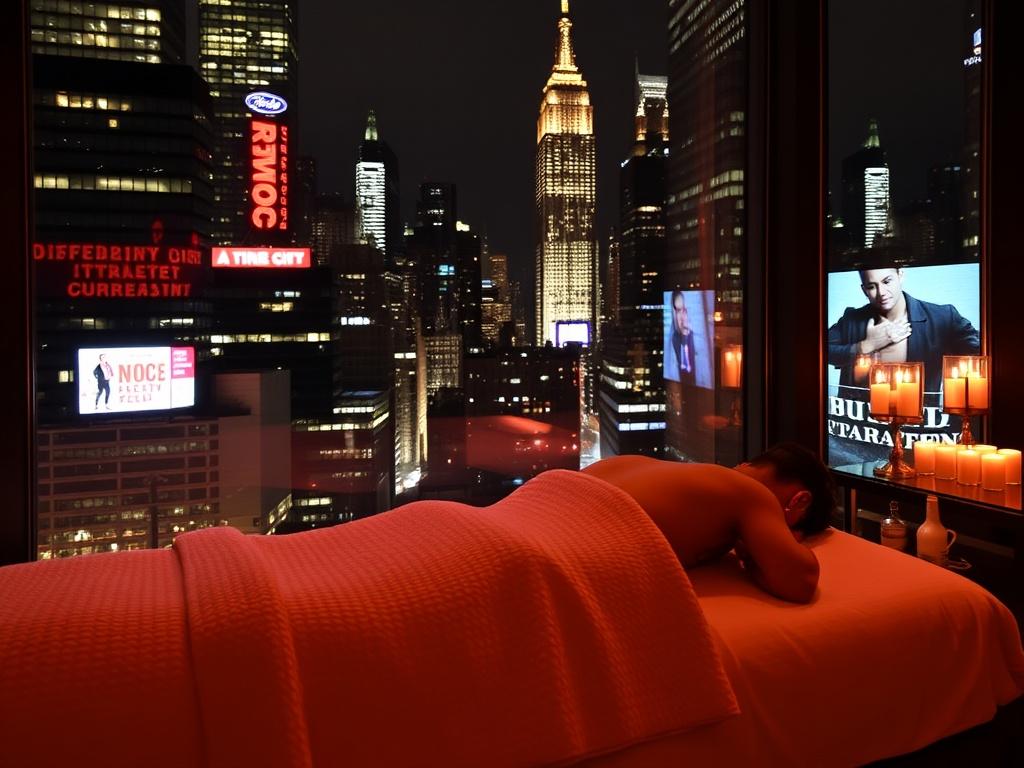
New York City offers every kind of wellness option you can imagine, from boutique cryotherapy studios to centuries-old Ayurvedic clinics. Among them, elite body rub services—by which I mean high-quality, professional massage and therapeutic touch—hold a special place for people who want relief from stress, better sleep, fewer aches, or simply an indulgent hour away from the buzz. In this article I’ll walk you through everything you need to know to find a legitimate, upscale body rub in NYC: what “elite” means in practice, how to spot reputable therapists and businesses, what to expect during a session, pricing and tipping norms, legal and safety considerations, neighborhood guides, and a practical checklist so you can book with confidence. No fluff, just practical, city-smart advice that treats massage like the health and self-care service it should be.
What “Elite Body Rub” Means (And What It Doesn’t)
Language matters. The phrase “elite body rub” can carry different connotations depending on who you ask. For many people, it signals a premium, full-service therapeutic massage: experienced therapists, elegant treatment rooms, high-quality oils and linens, and attention to client comfort from start to finish. For others, the term can raise questions—especially in a city where some venues blur lines between legitimate therapy and illicit services.
Start by defining your expectations. If your goal is therapeutic outcome—pain relief, improved mobility, relaxation—then focus on licensed massage therapists and established spas or medical practices. If you want an indulgent, luxury experience, look for places that emphasize amenities: private suites, customizable aromatherapy, heated tables, and experienced staff who can tailor pressure and technique. Elite shouldn’t mean opaque: premium services will be clear about who their practitioners are, what training they have, and what clients can expect during and after the session.
Why Choosing a Professional Matters
A well-trained therapist does more than apply pressure. They conduct an intake to understand your history, tension patterns, and any contraindications. They use evidence-based techniques to address specific concerns and adjust the session as your body responds. That’s true whether the goal is deep relaxation or targeted rehabilitation.
Choosing a professional reduces risk—of injury, of unsanitary conditions, and of uncomfortable situations. It also increases the odds you’ll get measurable benefits: less pain, better sleep, improved range of motion, and long-term stress reduction when you incorporate massage into a broader wellness plan.
How to Verify a High-Quality Provider in NYC
New York City has an enormous range of providers. Here’s a step-by-step checklist to separate reputable, elite services from sketchier options.
- Look for credentials. Ask about training, certifications, and professional memberships. Many therapists will list qualifications from recognized bodies; reputable places happily provide this information.
- Check business transparency. A legitimate spa or clinic will have a clear website with pricing, service descriptions, photos of the facility, and contact information including a physical address.
- Read recent reviews. Reviews on Google, Yelp, and specialized wellness sites give a sense of consistency. Look for patterns—especially comments about cleanliness, professionalism, and therapist skill.
- Confirm licensing where applicable. Some practitioners pursue national certifications or state registrations; ask what licensing or continuing education they maintain.
- Visit in person if you can. A quick walkthrough can tell you a lot: are rooms clean and well-appointed? Is the staff professional? Does the reception process feel organized?
- Avoid red flags. Ambiguous service menus, no posted prices, insistence on cash-only payment with no receipt, and solicitation beyond advertised services are all warning signs.
Questions to Ask Before Booking
When you call or email, a few simple questions will reveal the tone of the business quickly. Try asking:
- Are your therapists licensed or certified? Which schools or organizations?
- How do you handle intake and client health history?
- Can you describe what happens during a 60- or 90-minute session?
- Do you offer draping and privacy protocols?
- What is your cancellation policy and how do you handle late arrivals?
An honest, professional business will answer clearly and without evasiveness.
Types of Massage and Techniques You’ll Encounter
Elite body rub offerings in NYC often include a broad menu. Understanding the differences helps you pick the right session.
| Technique | What It Focuses On | Best For |
|---|---|---|
| Swedish Massage | Long, gliding strokes, rhythmical kneading, light to medium pressure | Stress reduction, general relaxation, first-time clients |
| Deep Tissue | Slow, deep pressure targeting chronic muscle tension and adhesions | Chronic pain, tightness from repetitive use, athletes |
| Sports Massage | Technique varies with sport; can include stretching, trigger point work | Pre- or post-event recovery, injury prevention |
| Myofascial Release | Gentle sustained pressure to release fascial restrictions | Mobility issues, chronic pain, postural problems |
| Shiatsu / Asian Therapies | Compression and finger pressure along energy lines; may be done through clothing | Energy balancing, flexible clients who prefer clothed modalities |
| Lymphatic Drainage | Light, rhythmic strokes that promote lymph flow | Post-surgical care (with provider approval), fluid retention |
| Hot Stone | Heated stones used to warm and relax muscles | Deep relaxation, muscle loosening in colder months |
How to Choose Based on Your Goals
Start with your priority. Pain and limited mobility often call for targeted approaches: deep tissue, myofascial release, or specialty sports techniques. Stress and sleep issues may be best addressed with Swedish, aromatherapy, or long, relaxing sessions. If you’re uncertain, ask for a hybrid—elite providers are usually willing to tailor pressure and techniques to your needs.
What to Expect at an Elite Session
An excellent session unfolds like a well-rehearsed conversation. It begins with intake: the practitioner asks about medical history, current medications, recent injuries, and what you want from the session. This is not prying; it’s safety and precision.
You’ll be guided on draping and privacy. Proper draping protocols protect your modesty while exposing the area being worked. A professional therapist will explain how they will proceed, obtain consent, and check pressure regularly. Communication matters—if at any point the pressure is too deep or too light, say so.
Many upscale places offer extras: a calm, candlelit room (or modern, scent-free minimalism if you prefer), heated tables, music at a comfortable volume, and a brief post-session conversation to cover aftercare suggestions. The best therapists will recommend stretches, hydration, and follow-up options tailored to your body.
Etiquette and Privacy
Respectful boundaries make the experience relaxing for everyone. Bring clean, comfortable clothing and arrive a little early to fill out forms. Silence your phone. Discuss any health concerns in advance. If you feel uncomfortable at any point, speak up or stop the session. Privacy is a given in reputable environments; therapists will not disclose your health information or session details without your consent.
Pricing, Packages, and Value
Price in NYC varies dramatically—Manhattan luxury spas command premium rates, while neighborhood clinics or skilled independent practitioners can offer competitive pricing. Rather than chasing the lowest number, think about value: who can provide the results you want, reliably and professionally?
| Service Type | Typical Range (NYC, indicative) | When to Consider |
|---|---|---|
| Independent Licensed Therapist | $80–$150 for 60 minutes | Good balance of skill and price; often personalized care |
| Boutique/Luxury Spa | $150–$350+ for 60 minutes | High-end amenities, curated experiences, often highly polished service |
| Medical/Clinical Massage | $100–$200 for 60 minutes | Targeted therapy often integrated with health professionals |
Note: These are approximate ranges and vary by neighborhood, therapist experience, and extras such as aromatherapy or extended aftercare. Many elite providers offer packages (e.g., a multi-session plan) that reduce per-session cost and help with continuity of care.
Tipping and Additional Charges
Tipping is customary in the U.S. and common in NYC. A typical range is 15–25% of the service price for good service; more for exceptional care. Check whether prices include taxes and whether gratuity is added automatically; many upscale places will clearly state that on the receipt. For medical or clinic settings where billing practices differ, tipping norms vary—ask if you’re unsure.
Legal and Safety Considerations
When searching for an elite body rub, legal clarity matters. Laws and regulations can vary, and the city has strict rules around businesses and professional practice. You should expect clear documentation of the business’s legitimacy: a verifiable address, professional insurance, and transparent payment methods.
Be cautious of places that avoid contact information or that request unusual payment methods without receipt. Reputable spas and clinics will provide invoices that you can use for health spending accounts or reimbursement when appropriate.
If you have a serious medical condition—recent surgery, blood clotting disorders, pregnancy, or cancer—consult your physician before scheduling bodywork. Many therapists are trained in working with special populations, but some techniques are contraindicated in certain conditions.
Safety Checklist
- Confirm therapist training and insurance.
- Ensure intake includes medical history and consent.
- Look for clear, sanitary treatment rooms and laundering practices.
- Ask about hygiene and cleaning between clients.
- Do not proceed if you feel pressured into add-on services or anything outside professional scope.
Neighborhoods and Where to Look in NYC
Each borough and neighborhood has its own flavor of elite body rub services. Here are the kinds of places you’ll find in different areas, and what to expect.
Manhattan: Luxury and Variety
Manhattan concentrates high-end luxury spas, boutique wellness centers, and medical practices offering massage as part of broader services. Expect elegant environments, advanced booking systems, and a range of add-ons: facials, body scrubs, CBD treatments, and specialized modalities.
Brooklyn: Boutique and Holistic
Brooklyn’s wellness scene tends toward boutique studios with an emphasis on holistic practices. You’ll find smaller places with highly trained independent therapists who value continuity of care and community ties.
Queens, The Bronx, Staten Island: Community-Focused Options

Neighborhood clinics and independent practitioners often offer professional, skilled care at accessible price points. You can get therapeutic results without Manhattan prices, especially with experienced therapists who practice locally.
Mobile Massage vs. Spa Visit: Pros and Cons
Mobile therapists bring their skill and equipment to your home or hotel. For busy New Yorkers, this convenience is gold. But there are trade-offs.
- Pros of mobile: convenience, privacy, comfort of your space, good for hotel-stay visitors.
- Cons of mobile: limited amenities (no hot stone setups, sometimes less sanitary controls), potential for space constraints, and varied quality—verify credentials carefully.
- Pros of spa: controlled environment, professional equipment, amenities, and a staff team for backup and medical integration.
- Cons of spa: travel time, higher pricing in some cases, less flexibility for schedule.
If you choose mobile, confirm that the practitioner carries liability insurance, uses clean linens and disposable materials where appropriate, and has a clear cancellation policy.
Red Flags: What to Avoid
Some warning signs are subtle. If the business or practitioner displays any of these behaviors, walk away.
- No posted or clear pricing. Transparency matters.
- Evasive answers about training or credentials.
- Menus that focus on ambiguous “extras” or services that suggest sexual activity.
- Cash-only operations with no receipt or aggressive upselling.
- Pressured tipping or solicitation for outside services.
- Unsanitary facilities—stained linens, poor cleanliness, or dirty treatment rooms.
- Therapists who do not obtain consent or who ignore your comfort and boundaries.
If you encounter illegal solicitation, report it to local authorities or consumer protection agencies. Your safety—and the safety of others—depends on a marketplace that protects clients and workers alike.
How to Get the Most from Your Sessions
An elite body rub is an investment in your well-being. Treat it strategically.
Prepare Beforehand
Hydrate, avoid heavy meals right before your appointment, and arrive a few minutes early. Jot down any questions or areas of chronic tension so you don’t forget them during intake.
Communicate During the Session

Tell your therapist what you’re feeling: pressure too deep, the stroke not helpful, or a spot that needs attention. Good therapists will modify techniques; the work is collaborative.
Follow Aftercare Advice
Most therapists recommend drinking water, gentle stretching, and a warm bath. If your therapist gives exercises or follow-up suggestions, try them. Consistency matters—one session can feel great, but a series often produces lasting change.
Use Sessions Strategically
If you’re managing chronic pain, schedule more frequent sessions initially (weekly or biweekly) and then move to maintenance. If you’re prepping for an event, plan sessions with enough time for recovery before the activity.
Accessibility, Inclusivity, and Special Populations
Elite services should be inclusive. Ask providers about accommodations: wheelchair access, gender preferences for therapists, and experience with diverse bodies and medical conditions. Many therapists specialize in prenatal massage, oncology massage, or working with older adults. A professional practice will welcome your questions and discuss how they adapt techniques to meet special needs.
Working with Medical Teams
Some elite providers collaborate with physical therapists, chiropractors, or physicians. If you’re under a doctor’s care, ask whether the therapist can coordinate with your medical team. Integrated care often yields better outcomes.
How Reviews and Reputation Really Work
Reviews are helpful—but read between the lines. A single glowing review means little. Look for consistent themes across multiple reviews: consistent praise for therapist skill, mentions of cleanliness, and notes about how staff handled concerns.
Pay attention to business responses to criticism. A thoughtful response to a negative review—offering explanation and steps taken—indicates a mature, service-oriented organization.
Where to Find Reliable Recommendations
Besides Google and Yelp, consider:
- Referrals from healthcare providers or fitness professionals.
- Professional associations and directories for licensed therapists.
- Social media groups focused on NYC wellness—ask for recent recommendations from members.
Cross-reference recommendations to find patterns rather than relying on a single source.
Practical Booking Tips
Booking an elite session in NYC is often about timing and flexibility.
- Book in advance, especially for weekend or evening slots at popular places.
- Ask about first-time discounts or introductory packages if cost is a concern.
- Consider off-peak times—midday on weekdays can be less expensive and quieter.
- If you’re booking multiple sessions, negotiate a package for better per-session pricing.
Shopping for a Long-Term Therapist
If you want ongoing care, finding the right therapist can feel like dating. You’re looking for skill, rapport, and reliability.
- Start with a 60-minute exploratory session.
- Observe how the therapist listens and whether they explain techniques.
- Ask about continuing education and specialties.
- Evaluate how your body responds after 24–72 hours; some soreness is normal after deep work, but consistent relief is the goal.
If it’s not a match, don’t feel obligated. A good therapist will understand and may recommend someone better suited to your needs.
Ethical Considerations and Respect for Practitioners
High-end massage is a two-way street. Respect boundaries, show up on time, and honor cancellation policies. Practitioners in the field rely on stable, professional relationships. Treating them with professionalism ensures you get better care and preserves the integrity of the profession.
If a therapist seems uncomfortable or asks to stop, respect that immediately. Consent and safety are mandatory.
Summary Checklist: Booking an Elite Body Rub in NYC
| Step | Action |
|---|---|
| Research | Read reviews, verify credentials, view photos of the facility |
| Ask Questions | Inquire about training, draping, hygiene, and cancellation policy |
| Confirm | Book with clear pricing, receipt, and therapist name |
| Prepare | Hydrate, arrive early, bring any medical notes |
| Communicate | Share health history and comfort preferences, give feedback during session |
| Follow Up | Hydrate, do recommended aftercare, schedule follow-up if needed |
When to Seek Medical Advice Instead of Massage
Massage is valuable, but it isn’t always the right first step. See a medical professional promptly if you have signs of infection, unexplained swelling, numbness, severe or worsening pain, unexplained weight loss, or acute injuries such as fractures. For certain conditions—deep vein thrombosis risk, unstable cardiovascular disease, or some autoimmune flare-ups—massage techniques may need major modification or avoidance.
If you’re unsure, consult your physician and ask for a referral to a therapist experienced in your condition.
Final Practical Tips and Local Wisdom
1. Try a short session first. A 30–45 minute session can be a low-commitment way to test technique and therapist rapport.
2. If you love a therapist, book their next available slot before you leave. Availability is often the limiting factor in staying consistent.
3. Keep a notes file. After each session, jot down what worked, what didn’t, and any stretches or tips your therapist gave. Over time this record sharpens your care plan.
4. Don’t be intimidated by the menu. Good therapists will guide you; an honest intake is the fastest route to good results.
5. Consider a multidisciplinary approach. Massage plus guided exercise, ergonomic changes at work, or physical therapy often outperforms massage alone for chronic issues.
Conclusion
Finding an elite body rub in NYC is about more than a flashy name or plush décor; it’s about locating a trustworthy, skilled practitioner who communicates clearly, respects boundaries, and tailors work to your goals. Use credentials and transparency as your compass, rely on clear intake and consent, and don’t ignore red flags like evasive answers or ambiguous service menus. Whether you want deep therapeutic work to reduce chronic pain, a luxurious hour of relaxation, or a mobile therapist who comes to your apartment, the city offers expert options—you only need the right frame to choose them. Book thoughtfully, communicate clearly, and you’ll turn a single appointment into a reliable pillar of your wellness routine.