
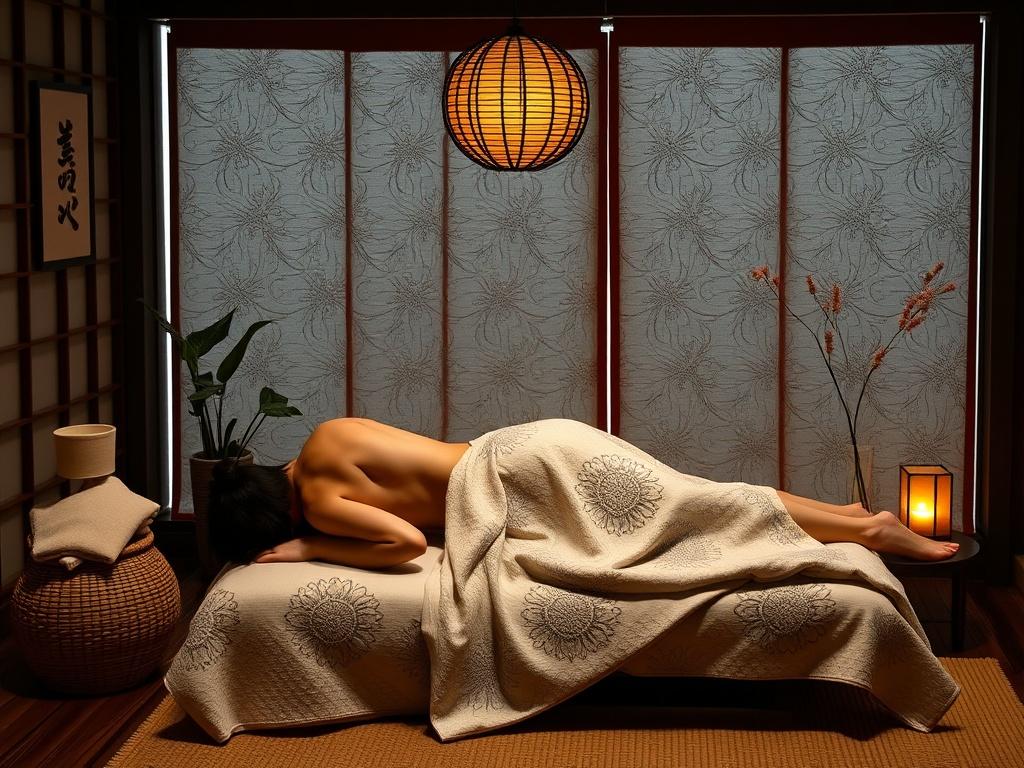
When you first hear the term japan nuru massage, you might picture something exotic and mysterious. The reality is more nuanced: nuru is a specialized form of slippery massage that developed within Japan’s broader massage traditions and has been adapted in many places around the world. This article walks you through where it came from, how sessions typically run, what to watch for in terms of safety and etiquette, and how to decide whether a professional or a private setting is right for you. My aim is to give practical, straight‑forward information so you can make an informed decision without wading through myths or overheated descriptions.
Origins and cultural context
Japan has a long history of manual therapies—shiatsu, anma, and other practices have been part of daily life and medical tradition for centuries. The style that became known as nuru evolved more recently and drew on modern urban culture as much as on classical techniques. The name itself comes from the Japanese word “nuru,” meaning “slippery,” which points to the defining characteristic: a massage performed using a specially formulated, very slick gel that reduces friction between bodies.
Etymology and historical notes
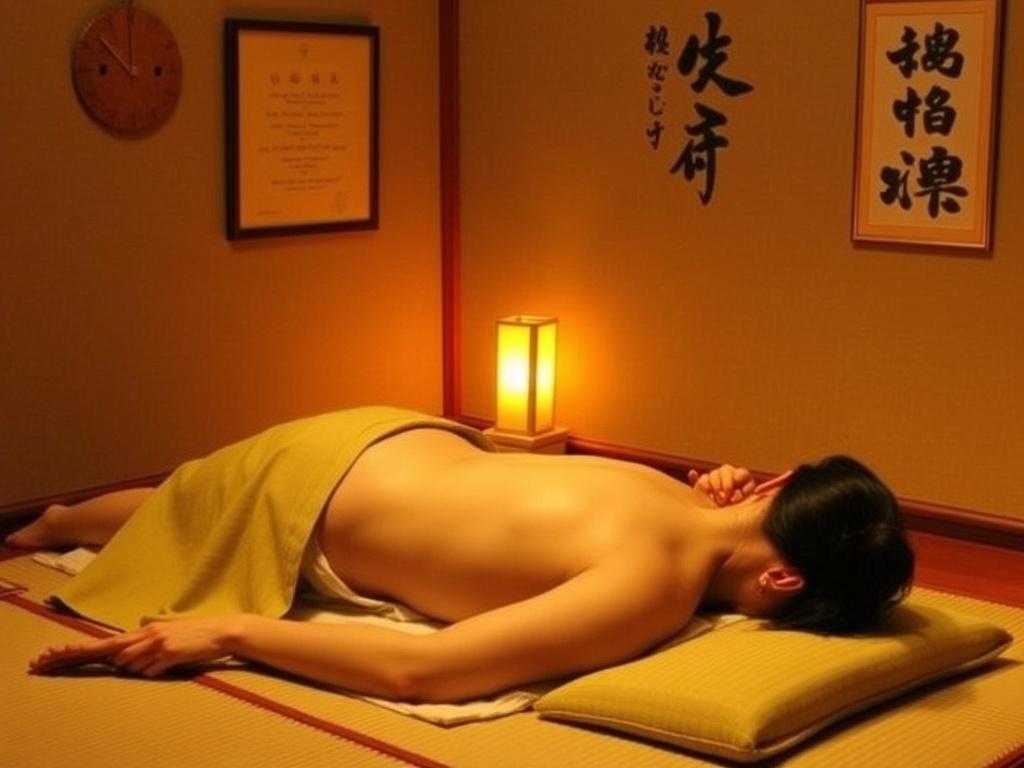
In its place of origin, nuru was not a clinical treatment but rather a niche service that emerged in specific entertainment and wellness sectors. As it traveled beyond Japan, different practitioners adapted the technique to local norms and regulations, resulting in a variety of practices that share the slippery, body‑contact element but can differ widely in setting, intent, and legal status.
How it sits within Japanese massage traditions
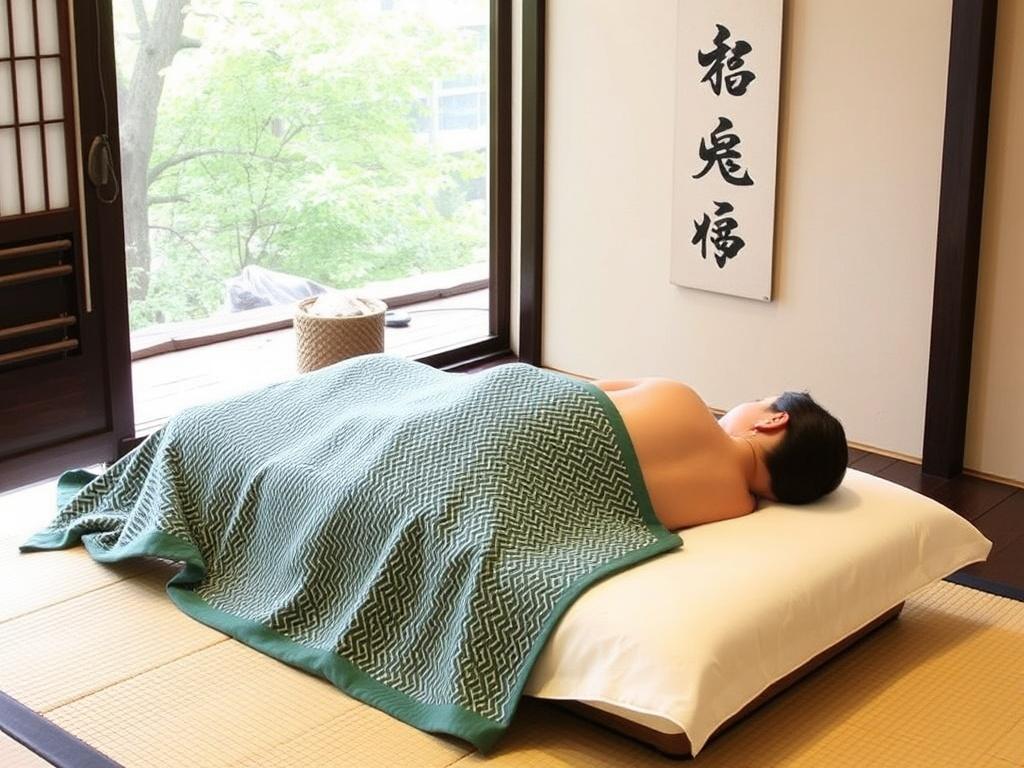
Traditional Japanese therapies emphasize rhythm, pressure, and a holistic sense of balance. Nuru borrows the attentiveness and skill of those traditions—practitioners need good body mechanics, timing, and sensitivity—but the primary experience is defined by the gel and the way it changes the tactile quality of the massage.
What is a japan nuru massage like?
At its core, a japan nuru massage is a hands‑on, full‑body experience in which the practitioner uses a slippery gel to glide over the client’s body. Sessions often involve significant skin‑to‑skin contact, slow movements, and techniques that emphasize gliding rather than deep pressure. The atmosphere can range from clinical and calm to more intimate, depending on the setting and the policies of the provider.
That said, what you get in practice varies. Some establishments offer nuru as a therapeutic, non‑sexual service focused on relaxation and mobility, while others might position it within adult entertainment. Knowing a provider’s policies ahead of time is essential so expectations align on both sides.
Nuru gel: ingredients, safety, and alternatives
The gel is the defining element of a japan nuru massage. Traditional formulas use seaweed‑derived ingredients like natural nori or alginate to create a viscous, odorless, water‑soluble gel that stays slick for the duration of a session. Modern commercial blends may include glycerin, aloe vera, or other skin‑safe humectants. Read labels and ask questions if you have sensitive skin.
| Gel Type | Common Ingredients | Pros | Cons |
|---|---|---|---|
| Traditional Nori‑based | Seaweed extract, water | Authentic texture, biodegradable | Potential for seaweed allergies |
| Commercial glycerin blends | Glycerin, water, preservatives | Widely available, consistent viscosity | Can be sticky as it dries; check for additives |
| Aloe‑based alternatives | Aloe vera gel, water | Soothing for sensitive skin | May thin out quickly during long sessions |
Before any session, a patch test is sensible if you or the practitioner are unsure about sensitivities. Because these gels are often water‑soluble, they rinse off easily, but they can still trap bacteria on the skin if hygiene is neglected; cleanliness of the environment and fresh gel for each client are important.
Etiquette, consent, and legal considerations
Clear communication is the baseline of a respectful japan nuru massage experience. Good practitioners will outline what the session includes, set boundaries, and require informed consent. That protects the client and the practitioner and reduces misunderstandings.
- Ask for a full explanation of the session before booking.
- Confirm what areas will and will not be massaged; state any personal boundaries.
- Discuss privacy, draping, and whether towels or garments will be used.
- Check the provider’s licensing and read reviews to verify reputation.
Legal status varies dramatically by jurisdiction. In some places nuru is offered openly as a legitimate spa treatment; in others, similar services may fall under stricter regulations because of the close contact involved. Always verify local laws and professional licensing requirements before attending or advertising a session.
Choosing a professional vs. doing it at home
There are pros and cons to both options. A trained professional brings skill, safety protocols, and a controlled environment. At home, you may enjoy comfort and privacy but you’ll need to manage setup, hygiene, and safety by yourself.
- Professional: trained technician, controlled environment, sanitation standards, liability insurance.
- At home: convenience, customizable atmosphere, but requires careful attention to cleanliness and technique.
If you try an at‑home approach, purchase a reputable gel, use clean linens, and have a clear plan for positioning and communication. Do not attempt techniques that strain the practitioner’s body; a good session shouldn’t cause injury to either person.
Health benefits and risks
People report a range of benefits from uru‑type massages: deep relaxation, reduced muscle tension, improved circulation, and heightened body awareness. Because the technique emphasizes long, flowing movements, it can be particularly calming for those who respond well to gentle, full‑body contact.
Risks are mostly practical and avoidable: skin reactions, slipping on wet surfaces, and potential transmission of skin infections if hygiene is poor. Avoid the practice if you have open wounds, certain skin conditions, or if you are feeling unwell. If you have medical concerns—cardiovascular issues, pregnancy, or recent surgery—consult a medical professional first.
Finding reputable providers and what to ask
Finding a reliable practitioner comes down to research and straightforward questions. Don’t be shy—reputable businesses expect and answer practical queries about their services.
| Question | Why it matters |
|---|---|
| Are you licensed/certified? | Ensures adherence to local regulations and standards. |
| Do you use new gel for each client? | Prevents cross‑contamination and maintains hygiene. |
| What is your cancellation/no‑show policy? | Affects scheduling flexibility and costs. |
| Can you describe what the session includes? | Sets clear expectations about boundaries and services. |
Look for reviews that mention cleanliness, communication, and whether the experience matched the listing. If something feels off in a consultation—vague answers, pressure to bend rules, or reluctance to discuss hygiene—walk away.
Variations and modern adaptations
As nuru techniques spread, practitioners have adapted them for different audiences. Some combine elements of sports massage or stretching for therapeutic purposes. Others market a more sensual experience in adult‑oriented settings. There are also hybrid treatments that use nuru gel in a therapeutic context with draping and professional boundaries firmly in place.
Understanding the specific variation you’re considering is key: the name alone won’t tell you whether the session is therapeutic, intimate, or somewhere in between. That’s why pre‑booking conversations and clear written descriptions are so helpful.
Practical checklist before your session
- Confirm the scope of the session, draping, and expected contact.
- Ask about gel ingredients and request a patch test if you have allergies.
- Ensure towels or linens will be fresh and that the space is clean.
- Bring a change of clothes and plan for a post‑session rinse if needed.
- Discuss payment, tips, and cancellation policies in advance.
Pricing snapshot
Prices vary widely depending on location, the provider’s experience, and whether the service is offered through a licensed spa or a private practice. Expect a premium for practitioners who emphasize training, cleanliness, and clear policies. Cheap rates can be a red flag; quality and safety are worth prioritizing.
Quick safety reminder
Whatever your interest in japan nuru massage, prioritize consent, communication, and hygiene. Those three elements separate a respectful, restorative experience from something risky or uncomfortable.
Conclusion
A japan nuru massage can be a uniquely tactile experience that blends historical Japanese manual skills with a modern, gliding technique; whether you seek relaxation or a novel wellness treatment, do your homework—check ingredients, verify reputation, ask clear questions, and respect legal and personal boundaries—so the experience is safe, comfortable, and aligns with your expectations.