

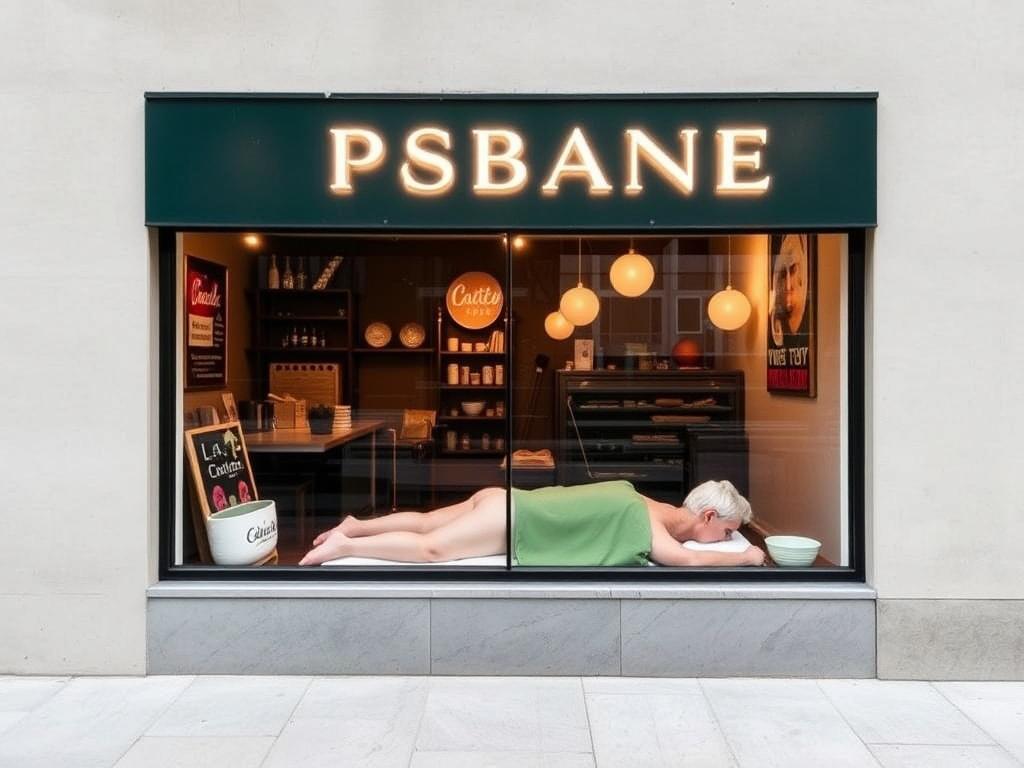
Thinking about a massage uptown evokes an image: quieter streets, polished studios tucked between cafés, and practitioners who blend clinical skill with neighborhood warmth. Whether you live nearby or you’re visiting for a weekend, the uptown scene offers a different pace from the busier downtown clinics—often more relaxed, more boutique, and surprisingly diverse in offerings. This guide walks you through what to expect, how to choose a studio, and how to get the most from your session so your time uptown leaves you genuinely refreshed.
Start with one simple promise: this is not a directory of every shop. Instead, consider this a map of decisions—what matters, what doesn’t, and how to tell the difference quickly. I’ll explain common massage styles, pricing ranges, and the little etiquettes that make your appointment smoother. If you prefer scanning lists, there are checklists and a couple of tables. If you like stories, read the short scenarios sprinkled throughout. Either way, you’ll feel more confident booking a massage uptown by the time you finish.
One last practical note before we dive in: “massage uptown” can mean different things in different cities. In many places it refers to areas north of a city center, where neighborhoods maintain a calmer, sometimes more residential character. That quiet translates into certain types of studios—think small teams, local owners, and treatment rooms that prioritize comfort over bright, clinical lighting.
Why Choose a Massage Uptown?
There’s a textured difference between a massage uptown and a quick rub you might grab on a lunch break downtown. Uptown studios often emphasize an experience: softer lighting, extended appointment times, and therapists who are encouraged to take a slower pace. If you’re recovering from a long week, that unhurried approach can make the difference between a temporary loosening of tension and meaningful relief.
Beyond ambience, location matters. Uptown spaces are typically closer to parks and calm streets, which means you can start and finish your visit without immediately facing honking traffic or a crowded subway. That small logistical comfort—parking, shorter walks, nicer storefronts—adds to the restorative quality of the visit.
Types of Massage You’ll Find Uptown
| Type | Best For | Typical Session Length | What to Expect |
|---|---|---|---|
| Swedish | Relaxation, stress relief | 30–90 minutes | Long, gliding strokes and moderate pressure focused on relaxation and circulation. |
| Deep Tissue | Chronic tightness, athletic recovery | 45–90 minutes | Firm pressure to reach deeper muscle layers; communicates more intensity and occasional discomfort. |
| Sports | Injury prevention, athletes | 30–90 minutes | Targeted techniques, often combined with stretching and mobility work tailored to sport demands. |
| Prenatal | Pregnant clients | 60 minutes | Side-lying positioning, gentle pressure, and attention to common pregnancy aches. |
| Hot Stone / Aromatherapy | Enhanced relaxation | 60–90 minutes | Warm stones or essential oils add sensory layers to standard techniques. |
| Chair / Express | Quick tension relief | 10–30 minutes | Fully clothed, focused on neck, shoulders, and upper back—often found in retail or downtown hubs but available uptown too. |
Choosing a Style That Matches Your Goal
If your goal is to destress, aim for Swedish or aromatherapy. If you’re dealing with stubborn knots or recovering from repetitive movement, deep tissue or sports massage offers a more targeted approach. Uptown studios often list specialties on their websites; look for short practitioner bios that mention additional certifications like myofascial release or trigger point therapy if you have specific needs.
How to Pick an Uptown Massage Studio
Choosing a studio is less about finding the cheapest option and more about finding the right fit. A lower price might mean a shorter session or a shared treatment room; a higher price may reflect private rooms and highly trained therapists. Decide first whether you value atmosphere, therapeutic depth, or convenience, then narrow your options accordingly.
- Check credentials: Look for licensed massage therapists and visible certifications. A studio should be transparent about staff training.
- Read recent reviews: Focus on comments about therapist skill, cleanliness, and how staff handle scheduling — practical details matter more than superlatives.
- Visit or call: A short phone call can reveal how they answer questions about pressure, special needs, or cancelation policy—this often signals professionalism.
- Consider neighborhood fit: If you want a peaceful experience after your session, look for studios near parks or quiet streets.
Questions to Ask Before Booking
When you call or book online, consider asking: Do therapists consult before the session? Is there a private changing area? What is the cancelation policy? These details prevent surprises and help build trust before you arrive for your massage uptown.
What to Expect During Your First Appointment
- Arrival and intake: You’ll likely fill a brief form about health history and current aches. Honesty here helps your therapist tailor the session.
- Pre-session consultation: A short talk about pressure preferences and focus areas—speak up if you want lighter or firmer work.
- Treatment: Therapists will leave the room while you undress to your comfort level; draping is used for privacy.
- Post-session advice: Many therapists offer stretches or recommendations for follow-up care; they may suggest frequency for meaningful improvement.
After your massage uptown, allow a few minutes to reorient—drink water, move slowly, and avoid scheduling a back-to-back meeting unless you want to keep the relaxed state longer.
Pricing and Value
Prices vary, but here’s a general snapshot you can expect uptown. Uptown studios sometimes charge a slight premium for longer, more personalized sessions or high-end products.
| Service | Typical Price Range | Notes |
|---|---|---|
| 30-minute express | $40–$70 | Good for quick tension relief; limited scope. |
| 60-minute full session | $80–$140 | Most common length for full-body work. |
| 90-minute session | $120–$190 | Recommended for deep work or combining techniques. |
| Memberships / Packages | Varies | Packages reduce per-session cost if you plan regular visits. |
Value isn’t just price. A slightly higher rate with a therapist who understands your body will likely save time and money in the long run by preventing recurring problems.
Etiquette and Practical Tips
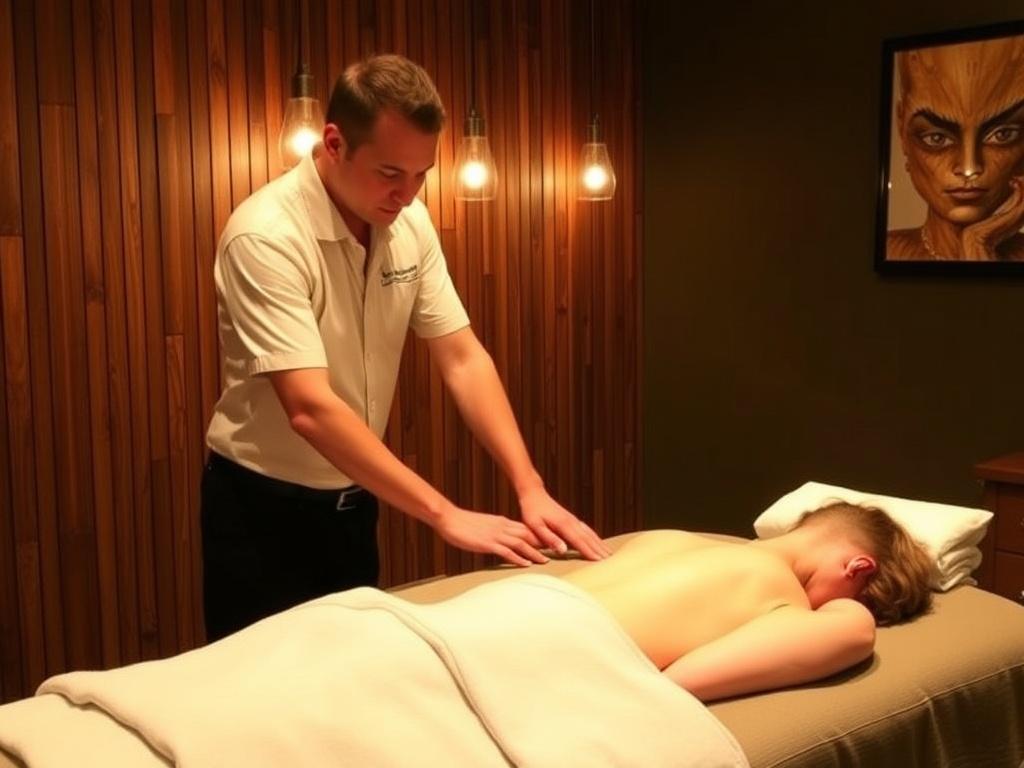
Good etiquette makes any massage more effective. Arrive five to ten minutes early to fill out forms and relax. Silence your phone and avoid strong fragrances that might interfere with aromatherapy. If you dislike a technique, say so—therapists expect feedback and will adjust.
- Tipping: In many places 15–20% is standard if the service is not already included.
- Cancelations: Note the cancelation window; many studios charge for late cancellations to protect therapists’ time.
- Health disclosures: Mention recent surgeries, high blood pressure, or pregnancy—safety is the first priority.
Self-care Before and After a Session
A little preparation increases benefit. Hydrate before your appointment, avoid heavy meals right before, and wear comfortable clothing. After the massage uptown, take it easy for the rest of the day—your nervous system will appreciate the space to integrate the work. Gentle stretching and continued hydration extend the effects.
Making Massage Part of Your Routine
One session can feel amazing; a routine creates lasting change. If you’re managing chronic tension, aim for more frequent visits at first—perhaps every one to two weeks—then stretch intervals out as your muscles relax. If stress is the main issue, monthly maintenance often does the trick.
- Short term: Book two to four sessions in a month if you have acute problems.
- Medium term: Move to biweekly visits for maintenance and prevention.
- Long term: Monthly sessions or targeted sessions before and after intense physical activity.
Many uptown studios offer package deals or memberships that make regular appointments more affordable and easier to schedule during preferred times.
Local Extras: What Uptown Studios Often Offer
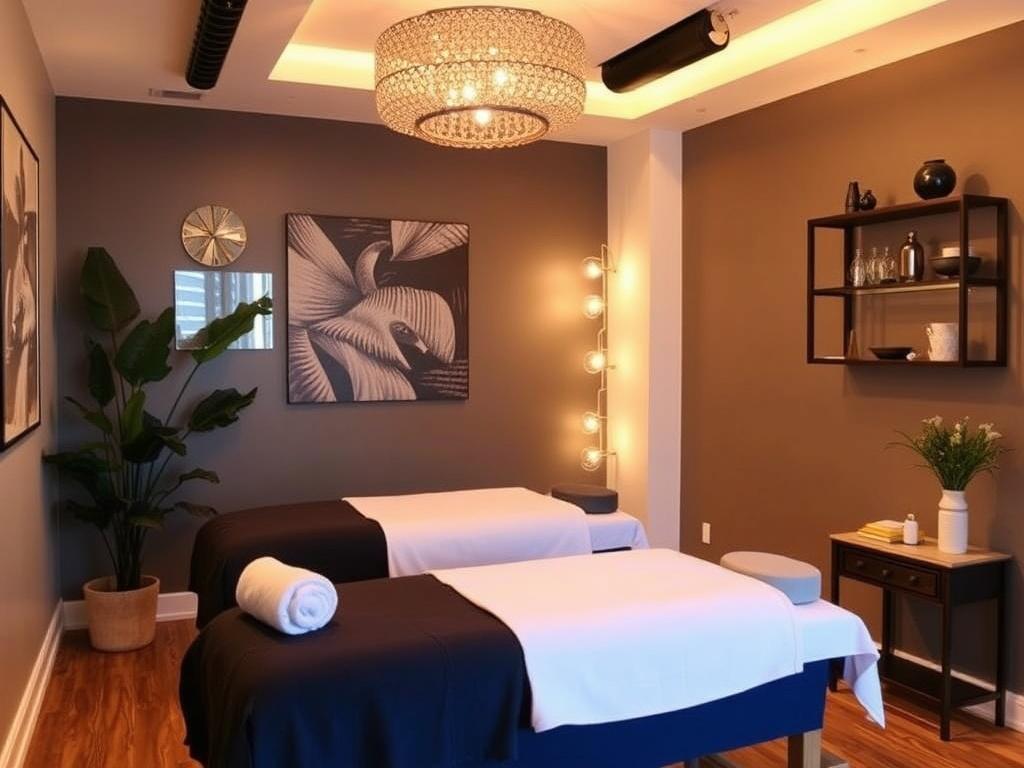
Uptown studios frequently add small touches: quiet waiting areas with tea, local art on the walls, or packages that pair massage with facials or acupuncture. Couples massages and mobile services for in-home sessions are common if you’re planning something special. If you’re searching for a specific add-on—CBD oil, hot stones, or lymphatic drainage—call ahead to confirm availability.
Finally, think of your first few visits as auditions. Try different therapists to find someone whose touch and communication style fit you. A well-chosen therapist can become a steady ally in your self-care routine, saving you time and pain down the road.
Conclusion
Booking a massage uptown should feel less like a gamble and more like a small, intentional investment in your day-to-day wellbeing: choose a studio that matches your priorities, ask practical questions before you book, and communicate clearly with your therapist during the session. Whether you pick a calming Swedish treatment after a hectic week or a targeted deep tissue work for chronic tightness, the right uptown studio can turn one hour into a real reset—quiet streets, thoughtful touch, and the simple luxury of time spent on yourself.