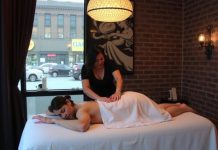

Type the phrase happy ending massage midtown into a search bar and you’ll get a tangle of listings, rumors, and online chatter. The words alone carry a load of assumptions: one part curiosity, one part urban myth, and one part risk. This article doesn’t eroticize the topic or chase gossip. Instead it walks you through what the phrase typically refers to, why it’s legally and ethically fraught, how to find legitimate massage care in midtown neighborhoods, and what safer, lawful alternatives exist if you’re really just after relaxation or human connection.
What the phrase usually refers to — and why it matters
When people type happy ending massage midtown they usually mean a massage that crosses the line from therapeutic touch into sexual contact. That expectation may be explicit or implied. Either way, understanding the distinction is important because one is generally provided by licensed professionals in regulated settings and the other is often illegal, unregulated, and risky.
Language matters: “happy ending” is slang, and it’s directly linked to the commercial sex trade in many conversations. In many cities and jurisdictions, offering or soliciting sexual services in exchange for payment can carry criminal penalties. That legal risk isn’t the only downside—there are health, safety, and ethical concerns too. Anyone exploring massage options in midtown should be mindful of these realities before acting on curiosity.
Legal and ethical landscape in midtown areas
Regulations vary by city and country, but common threads run through most midtown (or similarly dense urban) areas: massage therapists are typically required to hold state or municipal licenses; businesses that provide therapeutic services must meet health and zoning codes; and sexual activity in businesses that don’t have a clear legal allowance can attract law enforcement attention. That’s why establishments advertising purely therapeutic services will display licenses, certifications, and clear codes of conduct.
For clients, it’s equally important to respect professional boundaries. Licensed massage therapists are trained to follow ethical rules designed to protect both practitioner and client—privacy, consent, and appropriate draping are standard. Asking for or expecting sexual services from a licensed professional undermines that trust and can put both people in difficult, potentially unlawful positions.
How legitimate massage therapy works — what to expect in a real session
If your goal is relaxation, pain relief, or recovery, a licensed therapist can help. Here’s what a proper, licensed session in a midtown clinic typically includes:
- Initial intake and health screening: questions about medical history, injuries, and current medications.
- Discussion of goals and boundaries: the therapist will ask what you want addressed and what you do not want.
- Privacy and draping: only the area being worked on should be exposed, and you are covered otherwise.
- Clear consent and communication: therapists explain techniques and check in about pressure and comfort.
- Aftercare advice: guidance on stretching, hydration, or follow-up appointments.
These elements keep sessions therapeutic and safe. If any part of the encounter feels rushed, secretive, or pressured toward sexual elements, that’s a strong warning sign the provider is not operating as a licensed health professional.
Choosing a reputable massage provider in midtown
Looking for a legitimate massage in a busy midtown area? Use these practical steps rather than searching for suggestive slang. They’ll get you better service and avoid problems.
- Check credentials: confirm state or municipal license numbers and professional association memberships.
- Read reviews critically: look for detail about technique, cleanliness, and professionalism—vague praise can hide issues.
- Look for transparent pricing and policies: legitimate businesses list prices, cancellation policies, and scope of practice.
- Ask about sanitation and privacy: professional clinics follow basic hygiene rules and provide draping.
- Call ahead and ask questions: a professional will answer directly about scope and boundaries; evasive answers are a red flag.
Red flags and safety tips — what to avoid
When the search term happy ending massage midtown appears in a listing or messaging thread, consider the signals carefully. Here are common red flags and simple safety tips to steer clear of trouble.
- Vague or code-language ads that emphasize “discretion” without showing licensing information.
- Requests for cash-only payment, no receipts, or unusual prepayment methods.
- Pressure to move to a private, unregulated location or to request services off the menu.
- No visible license, no clear street address, or businesses operating from residential units without signage.
- Reviews that focus on “extras” rather than therapeutic benefits or professional competence.
Safety-first behaviors for clients:
- Always verify credentials before a session. If in doubt, walk away.
- Bring a friend when visiting unfamiliar areas or new businesses; don’t go alone if you feel uneasy.
- Trust your boundaries—if you’re pressured, leave and document what happened if necessary.
- Prefer businesses with visible professionals who give receipts and have clear refund/cancellation policies.
Table: Licensed massage clinic vs. illicit “happy ending” offers
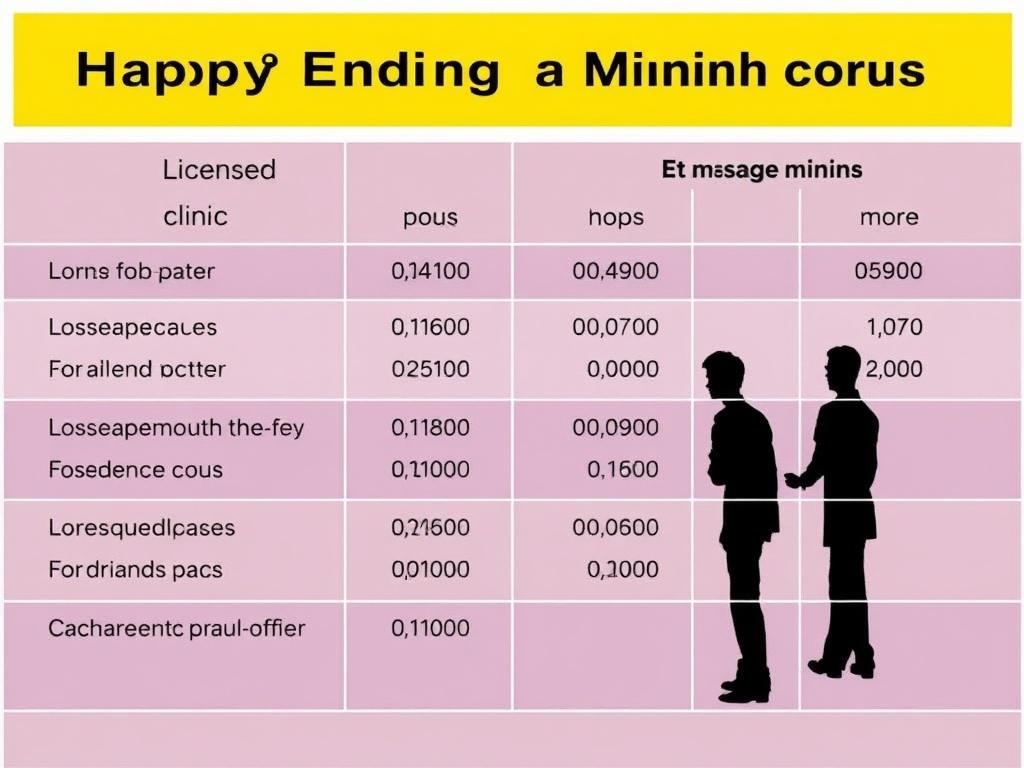
| Characteristic | Licensed Massage Clinic | Illicit “Happy Ending” Offer |
|---|---|---|
| Legal status | Regulated; operates under health and business laws | Often illegal or operating in legal gray areas |
| Practitioner training | Formal education, certification, continuing education | Varies widely; often no formal training |
| Boundaries and consent | Clear professional boundaries and consent protocols | Boundaries frequently blurred; consent may be coerced or assumed |
| Health and sanitation | Standards for cleanliness and record-keeping | Unregulated sanitation practices; higher health risks |
| Payment and records | Receipts, invoices, business records | Cash-only, no receipts, limited traceability |
Alternatives if you’re seeking intimacy or human connection
If the impulse behind searching happy ending massage midtown is a wish for closeness, stress relief, or sexual expression, there are safer, lawful ways to meet those needs. Consider these options:
- Book a therapeutic massage with a licensed practitioner who specializes in relaxation, deep tissue, or couples massage.
- Explore couples’ therapy or relationship counseling to address emotional or intimacy needs in a sustainable way.
- Seek out community groups, classes, or events that promote nonsexual touch—such as partner yoga, dance classes, or therapeutic touch workshops run by accredited facilitators.
- If sexual services are what you want, research local laws and consider legal, regulated avenues where they exist—remembering to prioritize consent, safety, and health.
When to report suspicious or exploitative activity
If you encounter a situation that feels exploitative or criminal—trafficking, coercion, minors involved, or threats—do not try to handle it alone. Contact local authorities or organizations that specialize in trafficking and victim support. Most cities have hotlines and non-profits dedicated to these issues; searching for “human trafficking hotline” plus your city name will yield appropriate resources. Reporting helps protect vulnerable people and maintains safer communities in midtown and beyond.
Practical final steps before you book anything
One sentence rule: verify, confirm, and be prepared to walk away. Verify the provider’s license. Confirm the scope of services in writing if possible. Bring ID and a payment method that gives you a receipt. And most importantly, keep your standards: your comfort, consent, and safety are non-negotiable.
Resources and further reading
If you want to dig deeper without risking dangerous or illegal encounters, start with professional sources: state licensing boards for massage therapists, national or regional massage therapy associations, and local public health websites. For matters involving exploitation or trafficking, trusted organizations and hotlines provide confidential help. Staying informed protects you and the people who work in caring professions.
Using the phrase responsibly
There’s nothing wrong with curiosity, but language shapes outcomes. If you search or talk about happy ending massage midtown, be aware of the implications—legal, ethical, and human. Framing your questions around “licensed massage,” “couples massage,” or “therapeutic bodywork” will get you safer, clearer results and more honest conversations with practitioners.
Where to go from here
If relaxation or physical therapy is your goal, follow the steps above and look for licensed practitioners who meet your needs. If you’re navigating feelings about intimacy, consider counseling or community resources. And if you’re unsure whether a listing or offer is legitimate, err on the side of caution: don’t put your safety or someone else’s wellbeing at risk.
Conclusion
Searching for happy ending massage midtown often reflects a mix of curiosity and confusion; the safest response is to separate the desire for relaxation or connection from risky, potentially illegal activity. Use licensed providers, check credentials, be alert to red flags, and choose lawful alternatives if intimacy or emotional needs are at the root of what you’re seeking. That way you preserve your safety and respect the professionalism and dignity of those who work in therapeutic care.