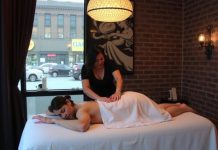

“Exotic massage” is a phrase that catches the ear and raises questions. It conjures images of fragrant oils, unfamiliar rhythms, and a kind of escape from the everyday. But beyond the hype, the term covers a wide array of practices that draw on cultural traditions, varied techniques, and different intended outcomes—from deep relaxation to gentle stretching or rhythmic flow. This article walks you through what exotic massage can mean, how to find a responsible practitioner, what to expect in a session, and how to keep the experience both enjoyable and safe.
What People Mean by Exotic Massage
At its simplest, exotic massage refers to bodywork styles that come from non-Western traditions or that feel “different” from standard Swedish or deep-tissue treatments. That can mean Balinese strokes, Thai assisted stretches, Hawaiian Lomi Lomi waves, or newer fusion treatments that mix music, scent, and movement. Some sessions emphasize sensuality or ritual; others stay squarely therapeutic while drawing on ancient methods. What unites them is a focus on atmosphere—lighting, music, scent—and on techniques that prioritize flow, intuition, and a sense of immersion.
Origins and Cultural Roots
Many techniques labeled exotic have long histories in their places of origin. Thai massage evolved in monastery settings and blends acupressure, assisted yoga, and breath awareness. Balinese massage combines Indian and Chinese influences with local herbal remedies and rhythmic tapping. Lomi Lomi grew from Hawaiian healing traditions that involve whole-body motion and a spiritual element. Knowing the background helps you appreciate the practice and choose approaches that honor cultural context rather than borrow superficially.
Styles and Techniques at a Glance
Practitioners may tailor sessions according to what you want—deep muscle release, gentle relaxation, or something more sensory. Techniques you’re likely to encounter include long flowing strokes, percussive tapping, joint mobilization, palm-and-forearm pressure, and oil-based soft tissue work. Many exotic sessions also use music and scent intentionally to shape mood and breathing. Ask beforehand which techniques the therapist uses and what training they have in those specific modalities.
Comparison Table: Common Exotic Massage Styles
| Style | Place of Origin | Primary Focus | Typical Session Notes |
|---|---|---|---|
| Thai | Thailand | Stretching, energy lines, mobility | Fully clothed, mat work, assisted stretches |
| Balinese | Bali (Indonesia) | Relaxation, circulation, aromatics | Oils, rhythmic strokes, occasional acupressure |
| Lomi Lomi | Hawaii | Flowing, whole-body movement | Long, continuous strokes; emphasis on breath |
| Tantric-inspired (non-sexual forms) | Various, modern adaptations | Sensory awareness, breath, touch | May include guided breathing and mindfulness |
Benefits People Report
Reported benefits of exotic massage overlap with other forms of bodywork: reduced stress, better sleep, decreased muscle tension, and improved circulation. Some people say the ritual elements deepen relaxation and produce a more sustained sense of well-being. Techniques that include stretching or joint mobilization can improve flexibility and range of motion. If the session emphasizes breath and awareness, many participants describe a clearer mental state afterward, as though the bodywork reset both muscle and mood.
Safety, Boundaries, and Consent
Because exotic massage can sometimes include sensual elements, it’s critical to address consent and professional boundaries up front. A reputable therapist will explain what their session includes and ask about your comfort level, limitations, and medical history. They will also respect draping (covering the body for modesty) and will not pressure you into anything you haven’t agreed to. If a practitioner suggests anything that makes you uncomfortable, you have every right to stop the session. Safety also includes hygiene, appropriate licensing where applicable, and clear policies on cancellations and refunds.
How to Choose a Practitioner
Choosing the right therapist requires a mix of practical checks and a feel for fit. Look for credentials or training in the specific style you want, read reviews from real clients, and verify a clear cancellation and privacy policy. Ask questions: Do they carry insurance? What is their sanitation protocol? How do they handle draping and boundaries? Price can be a clue but not a guarantee—high cost doesn’t always mean high quality, and very low cost can be a red flag. Trust your instincts when you arrive; the atmosphere of the space and how the practitioner greets you will tell you a lot.
What to Expect During a Session
- Initial Intake: A short conversation about goals, health, and pressure preferences.
- Preparation: Time to undress to your comfort level and lie on the table or mat; towels and draping provided.
- Treatment: The therapist applies techniques agreed upon—oils, stretches, palms, forearms, or focused pressure.
- Communication: You should be encouraged to speak up about pressure or discomfort.
- Wrap-up: Time to reorient, rehydrate, and receive aftercare advice.
Sessions typically last 60 to 90 minutes. If the provider asks for anything unexpected—especially any undraped touch that differs from the intake description—ask for clarification. Good therapists favor transparency.
Aftercare and Maximizing Benefits
After a session, simple steps help prolong positive effects. Drink water to flush metabolic waste released from tissues. Avoid heavy exercise for 24 hours if you had deep work. Gentle stretching or a warm bath with Epsom salts can support muscle recovery. Pay attention to sleep quality—bodywork often improves it, and good rest helps cement the benefits. If soreness appears, treat it as temporary; light movement and hydration usually resolve it within a day or two.
DIY Home Variations

You don’t need a professional to practice kindness with touch. Basic techniques—long gliding strokes with warm oil, gentle forearm pressure along large muscles, and slow stretches—can be applied between partners or by yourself using a foam roller or tennis ball. Keep the focus on comfort and steady breath. Avoid deep or manipulative techniques reserved for trained therapists, especially near joints or areas with medical issues.
- Simple home routine: warm oil, five minutes of long strokes each on the back, neck, and shoulders.
- Use a towel for friction rather than strong pressure if you’re uncertain.
- Stop if there’s sharp pain, numbness, or unusual symptoms.
Legal and Cultural Considerations
Terminology and legality vary widely by location. In some places, terms like “exotic” or “sensual” may carry regulatory implications; some jurisdictions restrict or prohibit certain practices. Respect local laws and ask venues about their compliance. Culturally, aim for appreciation rather than appropriation. Therapists who come from the traditions they practice—or who have studied under lineage holders—are more likely to honor practices responsibly. If a practice is presented as sacred, listen and follow the practitioner’s guidelines about proper behavior and respect.
Common Myths
Myth-busting helps you make informed choices. Myth: Exotic massage is inherently sexual. Reality: Many styles are therapeutic and non-sexual; intention matters. Myth: More pain equals more benefit. Reality: Discomfort can be counterproductive—communication about pressure is essential. Myth: All exotic techniques are dangerous. Reality: When performed by trained therapists who take your history and use proper technique, these methods are safe and effective for many people.
Conclusion
Exotic massage offers a broad spectrum of experiences—some rooted in ancient healing, others in modern fusion—with potential benefits for relaxation, mobility, and mood. The key to a positive encounter is clear communication: know what style you want, ask about training and boundaries, and voice your comfort level before and during the session. When chosen and performed responsibly, exotic massage can be a richly restorative way to explore touch, rhythm, and the quieter edges of well-being.