
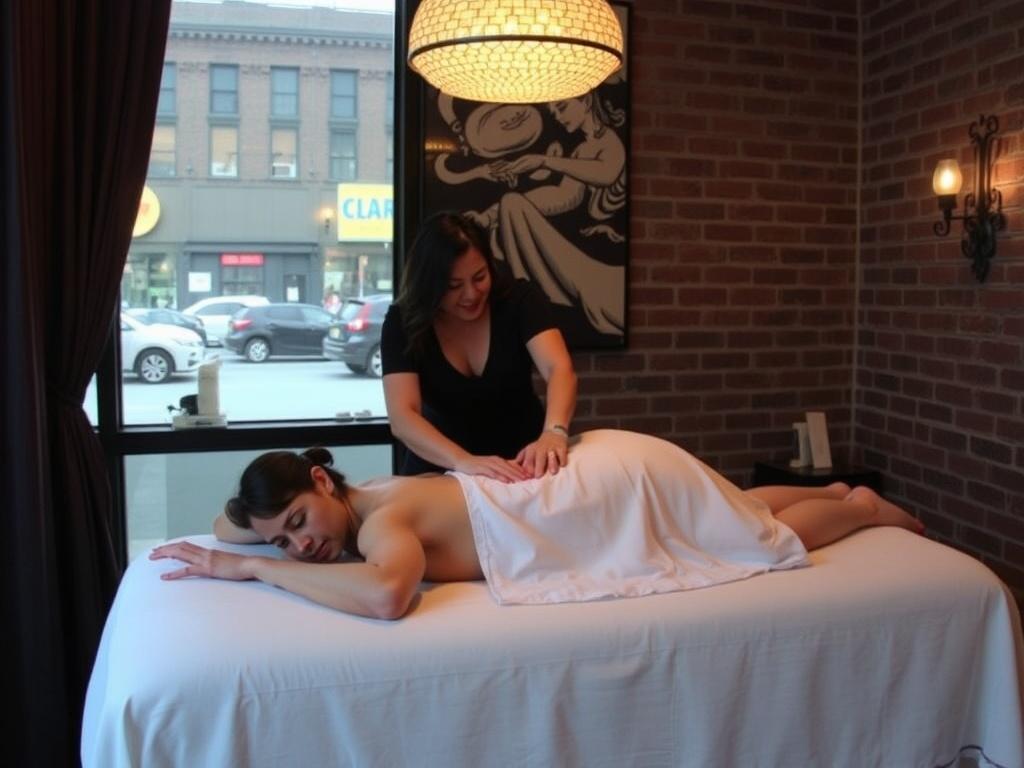
Brooklyn is a borough of motion—bikes, markets, music, ambition—and sometimes your body simply wants to stop and be tended to. Whether you’re recovering from a run on the Promenade, undoing the neck knots from too many laptop hours, or indulging in a weekend treat, massage brooklyn offers more than a quick rub: it’s a small ritual that can reset your week. This article walks you through what’s available, how to choose, what to expect, and how to get the most from every session without the fluff. Think of it as a local roadmap to feeling better.
Why Brooklyn Massage Feels Different
Brooklyn’s massage scene reflects the borough itself: eclectic, high-quality, and varied. You’ll find therapists who trained in manual therapy, spa settings with scented oils and soft music, and clinical practices focused on pain relief. Each studio tends to have a personality; some lean toward luxury and relaxation, others toward deep-tissue therapy and athletic recovery. When you search for massage brooklyn, you’re not just picking a service—you’re choosing a vibe that should fit your needs and life rhythm.
Benefits You’ll Notice Quickly
A single well-delivered session can ease muscle tightness, improve sleep quality, reduce stress, and help your posture. Over time, regular treatments can improve circulation and manage chronic discomfort. That said, the right outcome depends on communication: be specific about pain points, past injuries, and pressure preference. Therapists appreciate clarity and will tailor the session accordingly.
Types of Massage You’ll Commonly Find
Massage styles vary widely. Below is a clear table to help you match needs to techniques when exploring massage brooklyn.
| Type | Best For | Typical Session Length | What to Expect |
|---|---|---|---|
| Swedish | Relaxation, stress relief | 50–90 minutes | Long, flowing strokes; gentle pressure |
| Deep Tissue | Chronic tightness, sport recovery | 50–90 minutes | Slower, focused pressure on deeper muscle layers |
| Sports Massage | Athletes, injury prevention | 30–75 minutes | Targeted techniques, stretching, mobility work |
| Myofascial Release | Postural issues, scar tissue | 45–75 minutes | Sustained pressure on fascia, gentle movement |
| Shiatsu / Asian Modalities | Energy flow, tension release | 50–80 minutes | Compression, acupressure, fully clothed options |
How to Decide Which Type to Book
If you’re unsure, start with a 60-minute session and mention specific goals. A therapist can blend techniques—switching from relaxation to targeted release—so you don’t have to commit to one label. And remember: pressure can always be adjusted mid-session. One sentence—“go firmer” or “ease up”—can transform your experience.
How to Find the Right Therapist in Brooklyn
Finding the right person matters more than the room decor. Massage brooklyn options include solo practitioners, clinics, and luxury spas. Here are practical criteria to consider:
- Credentials: Check licensure and any specialty certifications.
- Reviews: Look for patterns in feedback—consistency beats one-off praise.
- Communication: Did they ask about medical history and goals before booking?
- Location and hours: Choose a spot you can visit regularly, not just on rare splurges.
- Style fit: If you want quiet and clinical, skip the candlelit playlists; if you want pampering, prioritize spas.
When searching online, use neighborhood names plus massage brooklyn to narrow results—prospective clients often find excellent boutique therapists by looking at local community apps and neighborhood groups.
Questions to Ask Before Booking
A short checklist of questions prevents surprises:
- Are you licensed and insured?
- What techniques do you specialize in?
- Do you have experience with my condition (e.g., shoulder impingement, sciatica)?
- Is there anything I need to know about preparing for the session?
Having these answers on hand saves time and reduces anxiety before your first appointment.
What Happens During Your First Visit
Expect a brief intake where your therapist asks about medical history, current pain, and goals. You’ll then undress to your comfort level and lie on a table under a sheet. Talk openly about pressure and pain thresholds; a little feedback keeps the session productive. Many Brooklyn therapists offer post-session stretches, self-care tips, and recommendations for follow-ups—these takeaways are often where the real progress begins.
Neighborhoods and Notable Spots
Brooklyn’s neighborhoods each bring a different flavor to massage services. Below is a compact table to help match neighborhood vibes with what you might find when you search for massage brooklyn:
| Neighborhood | Typical Scene | Why Go There |
|---|---|---|
| Williamsburg | Trendy studios, modern spas | Great for late hours and specialty treatments |
| Park Slope | Family-friendly practices, therapeutic clinics | Experienced therapists who focus on chronic issues |
| DUMBO | Upscale spas, view-friendly locations | Ideal for combining relaxation with a day out |
| Brooklyn Heights & Boerum Hill | Quiet, boutique studios | Personalized service, strong client-therapist relationships |
| Greenpoint | Independent practitioners, wellness collectives | Holistic approaches and alternative modalities |
Pricing, Booking, and Etiquette
Pricing varies: expect a range from modest neighborhood rates to premium spa pricing. A typical 60-minute session in Brooklyn often sits in the mid-range for a city of this size, with variations based on therapist experience and location. Booking online is common; many places allow direct messages for last-minute changes.
Simple etiquette keeps things smooth:
- Show up on time to get full value for your session.
- Tip appropriately if you’re at a spa or independent studio—check their policy first.
- Communicate if you’re pregnant, have a pacemaker, or recent surgeries—safety matters.
- Turn your phone to silent and, if possible, arrive with minimal stress so you can relax fully.
Self-Care Between Sessions
A massage works best when supported by daily habits. Hydrate after your session, do gentle stretching, and use heat on sore areas. Here are quick routines that amplify results:
- 5–10 minutes of morning mobility: shoulder rolls, gentle spinal twists.
- Regular short walks to keep circulation moving.
- Nightly foam rolling or targeted release with a tennis ball for stubborn knots.
Combine these with periodic visits for deeper work—if you think of massage brooklyn as a one-off luxury, you’ll still feel better, but a series gives lasting change.
How Often Should You Go?
Frequency depends on goals. For chronic tension or rehab, weekly or biweekly sessions may be ideal at first. For general relaxation, monthly visits often suffice. Many therapists will recommend an initial plan based on your intake. If you’re training for a race or recovering from injury, increase frequency to support tissue recovery.
Final Practical Tips
When you’re comparing options, look beyond photos and fancy descriptions. Ask to speak briefly with a therapist on the phone if you have specific concerns. Read several reviews and watch for consistency. If cost is a concern, inquire about package deals or local community clinics that offer sliding scale rates. Most importantly, trust your instincts; comfort with your therapist’s manner can be as important as their technique.
Conclusion
Finding the right massage brooklyn experience is part detective work, part instinct and all about clear communication—know your goals, choose a style that fits, and pick a therapist whose approach feels right. With a little homework and honest feedback during sessions, massage can become a practical tool for resilience, not just an occasional indulgence.