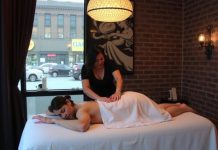

“Flushing body rub” is a phrase you might hear from massage therapists, fitness coaches, or wellness blogs. It describes a style of massage that emphasizes moving fluids—blood, lymph, and interstitial fluid—through the tissues by using long, systematic strokes and gentle pressure. The goal isn’t mystical detoxification but simple physiology: encourage circulation, reduce pooling, and help the body feel lighter and less stiff. This article breaks down the idea, outlines techniques you can try at home or look for in a professional session, and explains the precautions to keep it safe and effective.
What “Flushing” Means in Massage Terms
In practical terms, flushing refers to strokes and manipulations that promote flow. That often means long, gliding movements toward the heart to assist venous return and lymphatic drainage. Practitioners use effleurage (broad, sweeping strokes), light pumping, and strokes that follow the lines of circulation. The result is increased surface blood flow, temporary redness or warmth, reduced sensation of heaviness, and a sense of loosening in muscles and fascia.
Physiology Behind the Technique
Two simple systems are at work. First, the venous system returns blood to the heart and benefits from external compression and movement. Second, the lymphatic system depends on muscular motion and gentle pressure because it doesn’t have a central pump like the heart. Flushing-style strokes mimic those natural movements, nudging fluid along lymphatic pathways and reducing local stagnation. All of this is supported by increased skin temperature and improved tissue mobility, which together make tissues easier to move and recover.
Common Flushing Techniques
Below are the main techniques used in a flushing body rub. Each one plays a different role and can be adapted for full-body work or focused treatment.
- Effleurage: Long, gliding strokes that warm and stretch the skin and superficial tissues. Often used at the beginning and end of a session.
- Petrissage: Kneading and lifting motions that soften deeper muscle layers and help move fluid within muscle tissue.
- Light pumping: Short, rhythmic compressions aimed at vessels and soft tissues to encourage flow.
- Skin rolling: Gentle rolling between fingers to mobilize fascial layers and reduce adhesions.
- Directional strokes: Targeted movements that follow anatomical channels—toward lymph nodes and the heart.
How These Techniques Differ from Deep Tissue Massage
Flushing work prioritizes flow and gentle mobilization over intense pressure. Deep tissue massage targets knots and chronic tightness using firm pressure and friction. Flushing is usually lighter, longer, and more rhythmic—suitable for circulation and recovery rather than aggressive remodeling of muscle.
Step-by-Step Flushing Body Rub for Home
The sequence below is a practical, beginner-friendly routine. Use it as a general template; adjust pressure, duration, and area depending on comfort and need.
Preparation
- Gather supplies: a comfortable surface, a light oil or lotion, two towels, and a small pillow for support.
- Set the room: moderate temperature, soft lighting, and a calm playlist if desired.
- Encourage hydration: drinking water before and after helps the kidneys process any increased fluid movement.
Basic Sequence
- Start with effleurage on the limbs: long strokes from the hands and feet toward the shoulders and hips. Do each limb for 3–5 minutes.
- Use light pumping on the calves and forearms: compress gently with the palm and release, repeating 8–12 times per area.
- Move to petrissage on larger muscles like the thighs and upper arms: kneading motions for 2–4 minutes per muscle group.
- Direct skin-rolling and gentle strokes toward the nearest lymph node clusters (axillae, groin, and neck) to support drainage.
- Finish with broad effleurage across the back and torso, always moving toward the heart and major lymph nodes.
Keep your movements deliberate and unhurried. A full-body flushing session typically lasts 30–60 minutes depending on coverage and pace.
Supplies and Setup
Having the right basics keeps the experience comfortable and effective. Below is a quick checklist and a small table comparing oils and lotions.
- Flat surface or massage table with a towel or sheet
- Light massage oil or lotion
- Warm towels for comfort
- Pillow or bolster to support knees or neck
- Timer or clock to pace the session
| Product | Feel | Best for |
|---|---|---|
| Sweet almond oil | Light, slightly slippery | General use, good glide |
| Coconut fractionated oil | Very light, non-greasy | Sensitive skin, quick absorption |
| Massage lotion | Absorbs faster | Shorter sessions, less residue |
Benefits You Can Expect—and What Is Myth
Practically, people report feeling lighter, less stiff, and more relaxed after a flushing body rub. Circulation improves temporarily, and swelling can reduce if it’s caused by gravity or minor fluid pooling. That said, the idea that massage “detoxes” the body by flushing out toxins is overstated. The liver and kidneys handle biochemical waste; massage supports those systems indirectly by improving circulation and encouraging movement but does not replace medical detox pathways.
Who Gets the Most Benefit?
Flushing work helps athletes after training, people who sit for long periods, and anyone with mild swelling from travel or sedentary behavior. It’s also excellent as a gentle recovery method after intense workouts since it reduces soreness and promotes a sense of recovery without heavy pressure.
Safety and Contraindications
Massage is generally safe, but flushing techniques move fluids and can be problematic in some medical situations. Avoid or seek medical clearance in these circumstances:
- Active infection, fever, or inflamed skin
- Recent surgery, wounds, or open lesions
- Known deep vein thrombosis (DVT) or clotting disorders
- Uncontrolled hypertension or cardiovascular instability
- Certain cancers or treatments—check with the care team
- Pregnancy—use pregnancy-safe protocols and a trained therapist
If swelling is unilateral (one-sided) or sudden, consult a healthcare provider rather than attempting self-treatment.
Aftercare and Simple Troubleshooting
After a flushing session, keep things simple. Drink water to support fluid balance, rest for a short time, and avoid heavy exertion for an hour or two. If you feel light-headed, lie down and raise your legs briefly to normalize circulation. Mild soreness or increased urination after a session is normal; severe pain, numbness, or worsening swelling is not and should prompt medical advice.
When Results Are Limited
If you try flushing techniques and don’t feel improvement, consider these adjustments: increase session length slowly, be gentler if tissue resistance increases, and focus on mobility and breathing alongside massage. Sometimes movement and posture correction are the missing piece rather than manual work alone.
Working with a Professional
A qualified massage therapist will tailor pressure, sequence, and positioning to your medical history and goals. If you have persistent swelling or chronic pain, a therapist trained in lymphatic drainage or sports massage can blend techniques safely. Ask about credentials, experience with flushing-style work, and any adaptations needed for your health.
Quick Tips for Better Flushing Sessions
- Move toward the heart: this simple rule guides all strokes.
- Breathe with the pattern: slow inhalations and relaxed exhalations help tissues release tension.
- Use rhythm rather than force: consistent tempo moves fluid more effectively than brute pressure.
- Keep skin warm: cold tissues resist glide and can tense up.
- Listen to the body: discomfort is a signal to change pressure or stop.
When to See a Doctor
If swelling is sudden, painful, associated with shortness of breath, chest pain, fever, or fainting, seek emergency care. For chronic or unexplained fluid retention, arrange a medical evaluation to rule out cardiac, renal, or endocrine causes before relying on massage as the primary solution.
Conclusion
Flushing body rubs are a practical, low-risk way to support circulation and reduce mild fluid buildup when done thoughtfully. They favor long, heart-directed strokes, gentle pumping, and a mindful pace rather than intense pressure. Use them as part of a recovery routine—paired with hydration, movement, and rest—and avoid them in situations where medical conditions make fluid shifts unsafe. When in doubt, a trained therapist or a healthcare provider can help you get the benefits without the risks.