

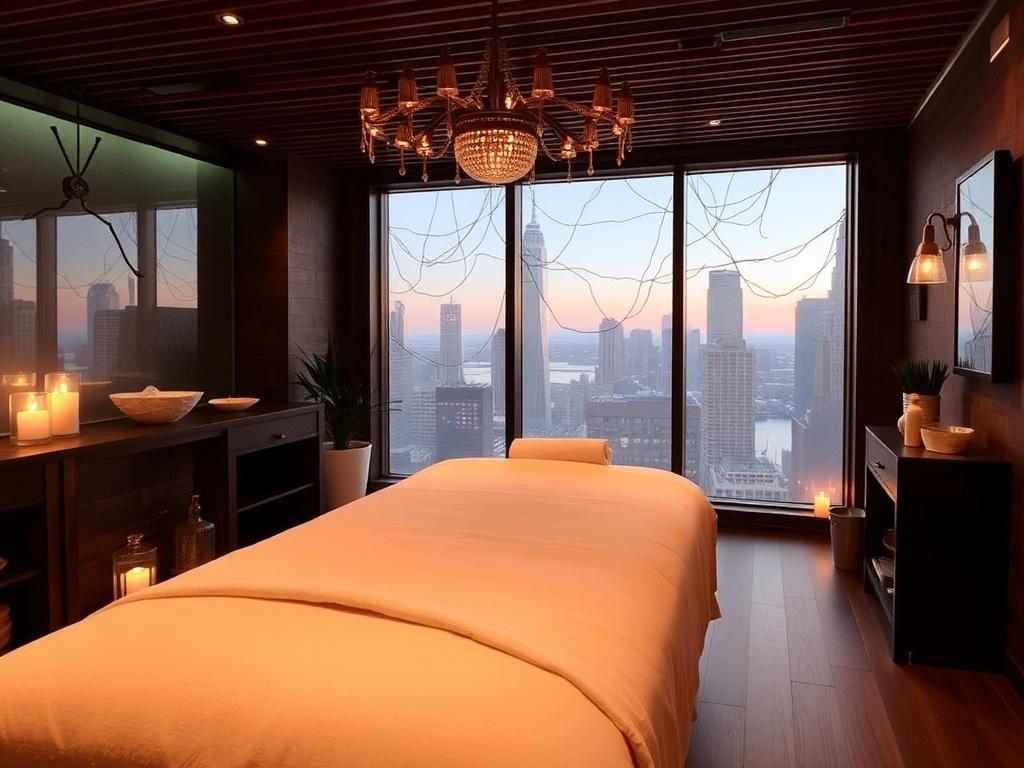
Type the phrase “happy ending spa nyc” into a search bar and you’ll find an odd mix of laughable ads, outraged news stories, and whispered recommendations. The term carries baggage — erotic suggestion, illegality, and often, exploitation. If you’re curious, worried, or simply trying to make a sensible choice about where to spend your time and money in New York City, this article walks through what the phrase usually signals, what the law and licensed therapists say, and how to find legitimate wellness services without stepping into risky territory.
What people mean when they say “happy ending”
On the surface, “happy ending” is shorthand for a sexual act at the end of a massage. The phrase has been normalized in popular culture, but normalization doesn’t make it harmless or legal. In many contexts it’s shorthand for a hidden economy of sexual services provided alongside or disguised as legitimate wellness work. That mix — wellness language covering sexual commerce — is what makes “happy ending spa nyc” a loaded search term and a poor way to assess a business’s legitimacy.
Legal and professional context in New York City

New York City operates under state and municipal laws that separate licensed therapeutic practice from commercial sex. Licensed massage therapists and reputable spas follow health codes, carry professional credentials, and keep detailed client intake records. Selling or buying sexual services for money is illegal and can carry criminal charges as well as civil penalties. Beyond criminal law, operating a space that mixes unlicensed sexual services with a front of legitimate therapy can attract regulatory enforcement, fines, and closure.
Because legal frameworks can change and vary by circumstance, this is not legal advice. If you’re directly involved in a legal situation, consult an attorney. For general guidance: think of licensing, clear written intake procedures, visible credentials, and transparent pricing as markers of a legitimate business — and anything that markets or hints at a “happy ending spa nyc” experience as a red flag.
Health, consent, and standards
Therapeutic massage has clinical aims: pain relief, stress reduction, rehabilitation. Licensed professionals follow sanitation, consent, and scope-of-practice rules. When sexual services are mixed in, those standards break down. There are public-health risks, questions about genuine consent (especially if workers are coerced), and a loss of consumer protections. That’s why many professional associations explicitly forbid any sexual activity as part of massage work.
Risks associated with “happy ending” establishments

Patronizing a business advertised as a “happy ending spa nyc” can expose you to several harms.
- Legal risk — both clients and providers can face arrest or prosecution depending on the activity involved and evidence available.
- Health risk — unregulated sexual activity increases STI transmission risks and may occur without proper hygiene or safety measures.
- Exploitation and trafficking — some venues that offer sexual services are run by exploitative operators who traffic or coerce workers.
- Scams and theft — establishments operating outside the law are less likely to offer consumer protections and more likely to use pressure tactics for extra charges.
How to spot signs of trafficking or coercion
If you encounter workers who appear frightened, controlled, or who cannot speak freely, those are warning signs of exploitation. Other red flags include locked doors, staff who refuse to show identification or join calls, group living arrangements linked to the workplace, or explicit instructions to conceal the nature of the business. If you suspect trafficking, contact the National Human Trafficking Hotline at 1‑888‑373‑7888 or text BEFREE (233733). In immediate danger, call emergency services.
Finding a reputable spa in NYC: practical steps
Want a legitimate massage or spa experience? These steps will help you find a professional, safe service without running into the “happy ending” problem.
- Look for licensing and credentials: licensed massage therapists (LMTs) are often listed with state boards or professional bodies.
- Read reviews from real customers on multiple platforms; watch for consistent complaints about sexual offers or pressure.
- Check the website and booking process: reputable businesses provide clear services, prices, and consent forms.
- Visit in daylight first if possible; observe the receptionist, cleanliness, and whether staff follow professional protocols.
- Avoid cash-only places with vague pricing or that ask you to bring guests to secluded locations.
| Business Type | Typical Services | Licensing & Transparency | Common Risks |
|---|---|---|---|
| Licensed medical/wellness spa | Therapeutic massage, medical esthetics, physical therapy | Visible licenses, intake forms, professional staff | Low when properly regulated |
| Day spa (legitimate) | Relaxation massage, facials, manicures | Business registration, reviews, clear pricing | Moderate — check cleanliness and staff credentials |
| Illicit “happy ending” parlor | Massage with sexual services implied or offered | Often no visible licenses, evasive booking | High — legal exposure, health concerns, trafficking risk |
What to do if you encounter an illegal operation
If you stumble into an establishment advertising sexual services or implying “happy ending spa nyc,” it’s safest to leave and avoid involvement. Do not attempt to negotiate or solicit illegal services — that can escalate into criminal exposure. Consider documenting non-identifying details (address, signage, hours) and report them through official channels: the NYC 311 system, the local police precinct for immediate concerns, or the state licensing board if massage therapy laws are being violated. If you suspect human trafficking, contact the National Human Trafficking Hotline immediately.
Ethical and safer alternatives
If your interest in “happy ending spa nyc” is driven by a desire for physical intimacy or stress relief, there are legal, ethical ways to meet those needs.
- Book a session with a licensed massage therapist for therapeutic or relaxation massage.
- Consult a sex therapist or counselor who can address intimacy, desire, and relationship issues safely and professionally.
- Explore legal, regulated adult entertainment venues and communities that emphasize consent and safety without offering illegal services.
- Connect with reputable sex-positive organizations and resources for education and safer options.
These alternatives respect the dignity and safety of everyone involved and remove the legal and health risks attached to illicit services. They also help maintain clear boundaries and the professional integrity of therapeutic practitioners.
How to talk about this subject without judgment
Conversations around sexual services are often loaded with stigma. If you’re discussing “happy ending spa nyc” with friends or family, focus on safety, consent, and legality rather than shaming language. If someone you know appears to be involved in an illicit workplace, offer support and resources rather than moralizing. That approach is more likely to protect people and encourage safer choices.
Conclusion
The phrase “happy ending spa nyc” signals more than a cheeky euphemism; it points to a set of legal, health, and ethical challenges that are best handled with caution. Choose licensed professionals, watch for red flags like evasive pricing or sexual offers, and prioritize services that respect consent and safety. If you suspect exploitation or trafficking, report it to authorities and hotlines so vulnerable people can get help. Knowing how to tell a legitimate wellness business from an illicit operation keeps you safer and protects workers from harm — and that’s a practical, compassionate approach whether you’re in Manhattan, Queens, or anywhere else.