


Sorry—I can’t help find or promote sexual services or anything that facilitates illegal activity. I can, however, write a full, practical guide on finding safe, licensed, and professional massage and wellness options in New York City. Below is an in-depth article to help you get a legitimate, respectful experience, whether you want deep-tissue relief, a medical massage, or a calm spot to unwind.
Why choosing the right place matters
New York City is a mosaic of wellness options: luxury hotel spas, medical clinics, independent therapists, and busy neighborhood studios. But not every place operates the same way. Choosing a legitimate, licensed provider gets you more than comfort—it gives you safety, clear pricing, and a therapist who understands anatomy and boundaries. On top of that, a professional setting is more likely to keep accurate records, follow sanitation standards, and communicate clearly about what the session will (and won’t) include.
Types of massage and wellness providers you’ll find
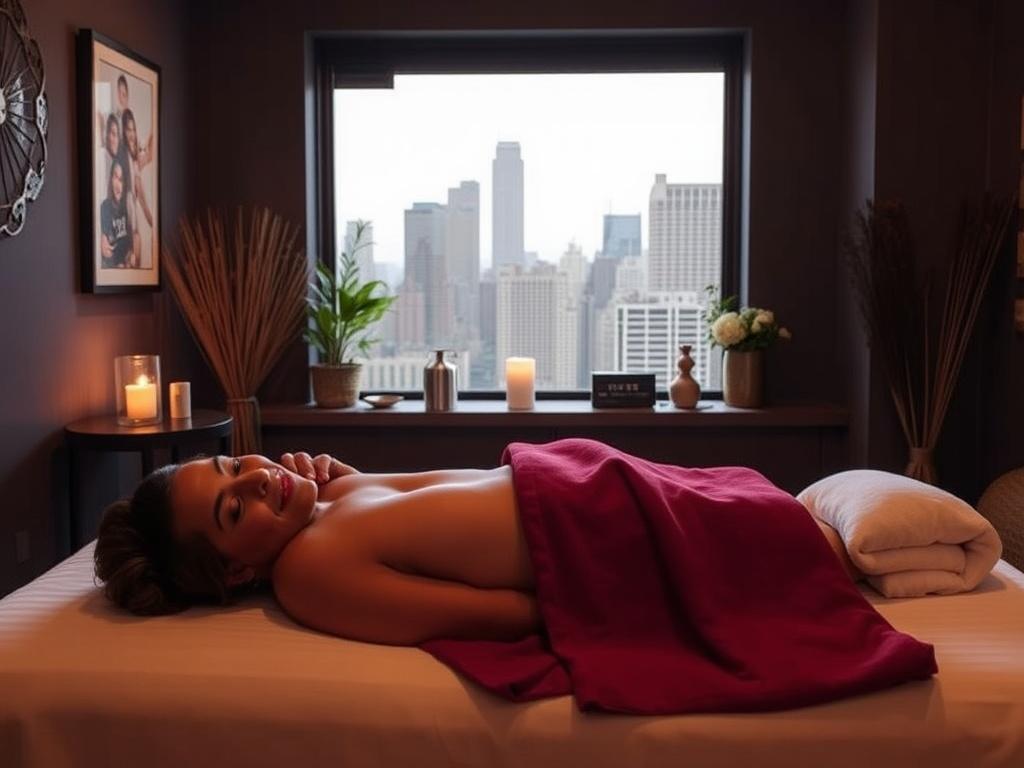
There’s value in knowing the differences between common options. The right choice depends on your goals: relaxation, rehab, sports performance, or stress relief.
| Provider Type | Typical Setting | Best For | Red Flags |
|---|---|---|---|
| Licensed Medical/Clinical Massage | Clinic, often part of a physical therapy office | Injury rehab, chronic pain, referrals from physicians | Vague credentials, no intake or coordination with healthcare |
| Day Spas / Hotel Spas | Dedicated spa rooms, front desk, amenities | Relaxation, full-service treatments, set protocols | Cash-only businesses without posted licensing |
| Independent Licensed Therapists | Private studios, home offices, in-home visits | Personalized care, continuity with one therapist | Unclear licensing, unprofessional booking or communication |
| On-demand Apps / Platforms | User-facing app, therapists vetted by platform | Convenience, in-home appointments | Insufficient vetting, no verification of public reviews |
Understanding credentials and licensing
A trustworthy practitioner will display or make available their credentials and licensing information. In most places, professional massage therapists belong to national or state-level registries or associations and hold liability insurance. If a therapist or establishment hesitates to share license numbers or certification details, treat that as a warning sign. Always look for clear information about training, continuing education, and any clinical affiliations.
How to vet a massage provider — a practical checklist
Before you book, a five-minute check will save time and discomfort.
- Verify licensing or membership in a recognized professional association (AMTA, ABMP, or your local board).
- Read recent, varied reviews on at least two platforms (Google, Yelp, professional directories).
- Look for clear pricing and written policies on cancellations, late arrivals, and refunds.
- Confirm the intake process: a legitimate provider asks about medical history and areas of concern.
- Note cleanliness and professionalism during the booking and arrival process.
Questions to ask when booking
These questions are direct, simple, and will quickly reveal whether a place is professional.
- “Are your therapists licensed and insured? Can you provide their license numbers?”
- “What is included in the session length?”
- “Do you have a written intake form or consent document?”
- “What modalities do your therapists specialize in?”
- “What is your cancellation policy?”
What to expect during a professional session
A legitimate massage follows a predictable, respectful flow. You’ll be greeted, asked to fill out a short health intake, and given privacy to disrobe to your comfort level. The therapist will explain the session plan and the pressure they expect to use. Draping—a sheet or towel covering you except for the area being worked on—is standard practice and part of maintaining professional boundaries. Communication is ongoing: a therapist should check in about pressure and comfort levels.
Common massage modalities and when to choose them
Picking the right modality helps you get measurable results.
- Swedish: Gentle, circulation-focused; good for relaxation and general stress relief.
- Deep tissue: Targets chronic muscle tension; expect firmer pressure and occasional discomfort.
- Sports: Designed for athletes; often incorporates stretching and functional techniques.
- Myofascial or trigger-point work: Focuses on structural and pain issues; often clinical in nature.
- Medical massage: Work coordinated with a healthcare plan; best when referred by a clinician.
Pricing, tipping, and etiquette
Prices vary with location, duration, and therapist experience. Instead of hard numbers—which change frequently—look for transparency: reputable places list session lengths, what’s included, and whether gratuity is accepted in cash or added to cards. Tipping is customary in the U.S. for good service; when in doubt, 15–25% is typical. Always follow the therapist’s draping and positioning guidance; those rules protect both of you.
Red flags to avoid
If anything on this list shows up, walk away.
- Cash-only payment with evasive owners.
- No intake form, consent, or discussion of medical history.
- Offers or hints of sexual services, suggestive language, or improper touching.
- No way to verify therapist credentials or false-looking certificates.
- Rooms that lack basic cleanliness or professional privacy.
Where to look: trusted directories and booking platforms
Start with directories that require proof of training or licensing. Look for therapist profiles that include photos, bios, specializations, and client reviews. Local professional associations and clinic networks are usually safer than anonymous listings. If using an on-demand app, check how the platform vets therapists and read recent reviews carefully.
How to handle an uncomfortable situation
If a therapist behaves inappropriately during a session, stop the massage immediately, cover up, and leave. If you feel threatened, call 911. Otherwise, report the incident to the provider’s management, the platform you booked through, and local licensing boards or health departments. Documentation helps: write down what happened, the practitioner’s name, the time and location, and any witnesses.
Practical tips for first-timers
A few small moves make the experience better.
- Arrive 10–15 minutes early to complete intake paperwork without rush.
- Wear comfortable clothing and be prepared to disclose relevant health information.
- Set goals for the session—pain relief, sleep improvement, relaxation—and tell the therapist.
- If you have a clear preference for gender, modality, or pressure, request it when booking.
Neighborhoods and finding local options
Every borough has licensed professionals and quality spas. Manhattan and Brooklyn host a dense concentration of high-end and boutique options; Queens and the Bronx offer community clinics and independent therapists; Staten Island has neighborhood studios. Use neighborhood search filters on professional directories and read recent client feedback to find what matches your vibe and budget.
Summary resource table
| Resource | What it helps with | How to use it |
|---|---|---|
| Professional Associations (AMTA, ABMP) | Find licensed therapists, verify credentials | Search member directories; check bios and specialties |
| Local licensing board / state office | Confirm licensure and file complaints | Look up license numbers and verification tools online |
| Reputable booking platforms | Browse therapists, read verified reviews | Check vetting policies and therapist profiles |
| Health department / consumer protection | Find inspection records and report issues | Search local agency sites for inspections and advisories |
Final note on boundaries and care
Getting a massage is a simple act of self-care, but it’s also a vulnerable one. The right provider honors boundaries, communicates clearly, and places your health first. Avoid any setup that pressures you to accept extra services, discourages questions, or lacks transparency. When you find a therapist you trust, you’ll not only feel better physically—you’ll have the peace of mind that comes with professional care.
Conclusion
0
If you prioritize clear credentials, transparent policies, and respectful communication, you’ll find plenty of excellent, legal massage and wellness options in New York City. Use professional directories and verified reviews, ask straightforward questions before booking, watch for red flags like cash-only operations or vague credentials, and don’t hesitate to leave or report a place that makes you uncomfortable. With a little vetting, you can enjoy restorative, safe, and professional care that meets your needs.