


Choosing the best massage girl for your needs is more art than checklist. You want someone who brings technical skill, professionalism, clear communication, and a calm presence — someone who can read your body, understand your goals, and deliver a treatment that leaves you lighter and more functional. This article walks through what to look for, how to ask the right questions, where to search, and how to prepare so you get the most from every session. Whether you mean a female therapist for comfort or cultural reasons, the same principles apply: focus on qualifications, fit, and safety.
Why the phrase “best massage girl” matters less than the person behind it
People often search for the “best massage girl” and expect a single, universal answer. The truth is there is no one-size-fits-all. Your ideal therapist depends on your body, your goals, and your comfort level. One therapist may be the best for deep tissue work; another may excel at prenatal massage or lymphatic drainage. Think of “best” as a moving target — the best for you in this moment. Prioritize training, licenses, and client feedback over search buzzwords.
Key qualifications and credentials
A professional therapist should have verifiable training and licensure. Qualifications vary by country and state, but look for:
- Accredited massage therapy school completion
- Licenses or certifications required by local regulators
- Continuing education in specialized techniques (e.g., sports massage, myofascial release)
- Liability insurance and first-aid/CPR certification
These markers indicate someone who is committed to safety and evidence-based practice. When you’re interviewing a therapist, asking about their education and specialties is both reasonable and expected.
Match the technique to the problem
Different techniques serve different needs. Here’s a quick reference table to help you match the right approach to your goal.
| Massage Type | Primary Purpose | Typical Pressure | Best For |
|---|---|---|---|
| Swedish | Relaxation, circulation | Light–Medium | Stress relief, first-time clients |
| Deep Tissue | Release chronic muscle tension | Firm–Deep | Chronic tightness, postural issues |
| Sports | Performance and recovery | Variable | Athletes, pre/post event care |
| Thai/Yoga | Mobility, passive stretching | Medium | Stiffness, flexibility work |
| Prenatal | Comfort for pregnancy-related aches | Light–Medium | Pregnant clients, pelvic support |
| Trigger Point/Myofascial | Specific pain spots and referral patterns | Medium–Deep (targeted) | Localized pain, headaches, sciatica |
Questions to ask before booking
A short conversation ahead of time saves time and avoids discomfort. Use this quick checklist or script:
- “What is your training and license?”
- “Do you have experience with [your condition]?”
- “Do you have any areas you prefer not to work on?”
- “What pressure do you use for [technique]?”
- “What is your cancellation policy and pricing?”
These questions are straightforward and let you assess competence and compatibility without awkwardness.
Where to look: spas, clinics, and independent therapists
Each setting offers pros and cons. Spas often provide a polished environment and consistent service protocols. Clinics and sports therapy centers tend to focus on rehabilitation and may coordinate with physiotherapists or doctors. Independent therapists working from private studios can provide a tailored, personal experience but may vary in business reliability. Consider the atmosphere you prefer, and read reviews to gauge consistency and professionalism.
Red flags to avoid
Trust your instincts. Look out for:
- No clear certification or refusal to provide proof
- Pressure to book longer or more frequent sessions than you want
- Unclear boundaries about draping, nudity, or techniques
- Rushed consultations or therapists who ignore medical history
A good therapist will respect boundaries, explain what they’re doing, and adjust to feedback.
Communication and boundaries
Communication matters more than you might expect. The best massage girl is someone who asks about your goals, listens to your pain levels, and checks in during the session. Use specific language: indicate a number on a 1–10 pain/pressure scale, name the exact spot that’s bothering you, or say “please slow down” if you need less pressure. Good therapists appreciate direct feedback; it improves results and keeps the session safe.
Etiquette and what to expect during a session
Before the session begins, you will usually receive a short intake form about medical history and preferences. A typical session flow:
- Brief consultation to clarify goals
- Guided undressing to your comfort level and proper draping
- Treatment with periodic check-ins
- Final guidance on aftercare (hydration, stretches)
Respect draping and privacy rules. If you prefer a female therapist explicitly, state that when booking — it’s a common and legitimate preference.
Pricing and value
Rates vary by location, expertise, and setting. Rather than choosing purely on price, think of value: how effective was the session, did you get clear follow-up advice, and were you comfortable? A slightly higher price can be worth it if the therapist consistently delivers measurable improvement. Ask about packages or multi-session plans if you’re pursuing a therapeutic goal; many providers offer discounts for a course of care.
Aftercare: small habits that extend the benefits
To stretch the benefits of a session, try these simple aftercare tips:
- Hydrate — massage moves fluids and helps metabolic waste clear faster with water.
- Move gently — short walks or mobility exercises prevent stiffness returning.
- Follow prescribed stretches or self-care techniques your therapist recommends.
- Schedule your next visit thoughtfully — for chronic issues, consistency matters.
Good therapists give tailored aftercare; if you don’t get anything useful, ask.
How long until you notice improvement?
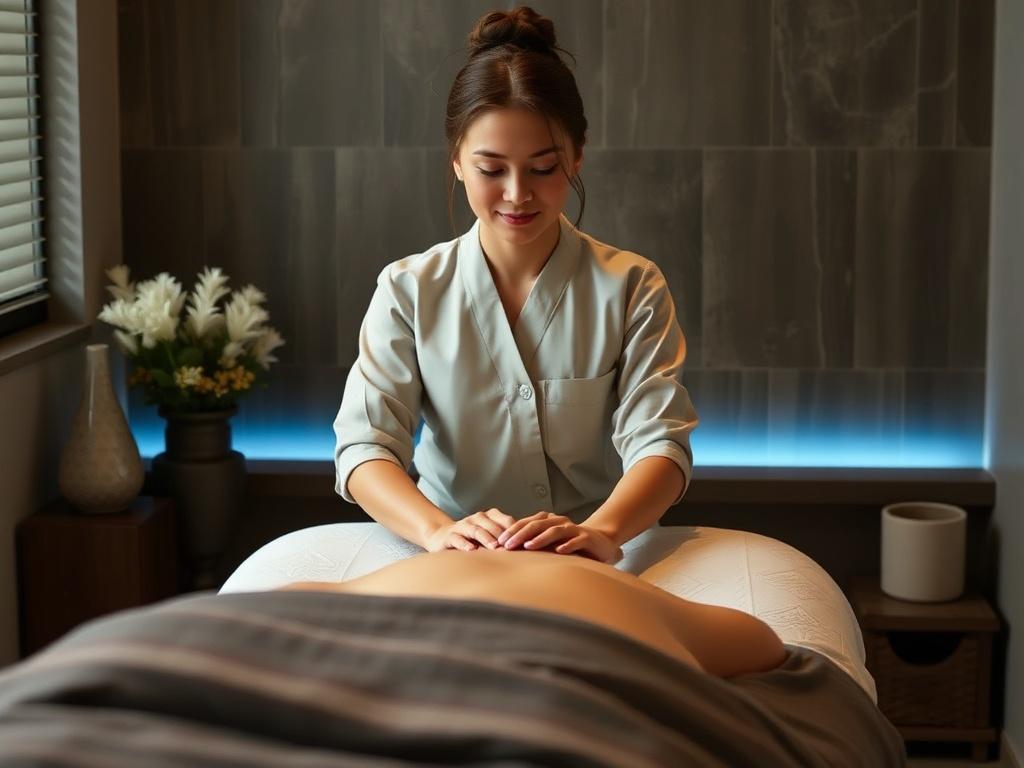
Immediate relaxation is common after most sessions, but structural changes can take time. For acute issues, one session might offer significant relief. For chronic muscular patterns or postural problems, expect a series of sessions combined with home exercises to see sustained change. Track progress objectively: reduced pain frequency, better range of motion, or improved sleep are valuable signs.
Finding the best fit — stories from experience

Sometimes the process is trial and error. One person found their best massage girl by switching from a high-end spa to a small clinic where therapists had sports backgrounds; another discovered that a therapist specializing in myofascial release made a dramatic difference after years of failed massages. The lesson: be open to different modalities and prioritize outcomes over labels.
Checklist: finding the best massage girl
- Verify credentials and specialties
- Read recent client reviews and look for consistent feedback
- Ask clear questions before booking
- Confirm draping and boundary policies
- Choose a massage type that matches your goal
- Observe red flags and trust your comfort level
- Follow aftercare and evaluate results over time
Conclusion
Finding the best massage girl is about fit: the right training, the right technique, and the right rapport. Treat the search as you would choosing any healthcare provider — check qualifications, ask practical questions, and pay attention to how you feel during and after sessions. With a little preparation and honest communication, you’ll find a therapist who not only relaxes your muscles but also helps you move and live better.