

The phrase “body rubs” can mean different things to different people. In New Jersey it’s often used casually to describe massage and hands-on bodywork aimed at relaxation, pain relief, or athletic recovery. This article walks you through what legitimate bodywork looks like, how to spot trustworthy providers, what to expect during a session, and how to protect your health and safety while getting the most from the experience. Think of it as a practical companion for anyone curious about massage in the Garden State—no jargon, just the useful stuff.
Understanding “Body Rubs” and the Types of Bodywork
At its broadest, “body rubs” covers any therapeutic touch delivered by a trained practitioner. That includes well-known styles such as Swedish and deep-tissue massage, plus modalities like sports massage, myofascial release, and chair massage. Each technique has a different rhythm and intention: some aim to soothe and relax, others focus on loosening tight muscles or improving circulation.
| Type | Focus | Who It Helps |
|---|---|---|
| Swedish | Gentle strokes, relaxation | Beginners, stress relief |
| Deep Tissue | Targeted pressure on muscle layers | Chronic tension, postural issues |
| Sports Massage | Preparation and recovery for athletes | Athletes, active people |
| Myofascial Release | Gentle sustained pressure on fascia | Chronic pain, mobility problems |
| Chair/Corporate Massage | Seated upper-body work | Office workers, events |
Why People Seek Body Rubs
0
People book bodywork for many reasons: to unwind after a long week, to manage aches and pains, to enhance sleep, or to support athletic performance. There’s also a psychological component: human touch can lower stress hormones and improve feelings of well-being. Whatever your motivation, being clear about your goals before booking helps you and your therapist choose the right approach.
How to Identify Reputable New Jersey Establishments
Finding a professional practice is more than reading one glowing review. Reputable providers are transparent about credentials, operating standards, and the services they offer. In New Jersey, as elsewhere, a legitimate massage business typically has a consistent online presence, clear pricing, and a well-lit, clean treatment space. Look for therapists who list their certifications, continuing education, and professional affiliations.
- Visible credentials: training school, certifications, or membership in national organizations.
- Clear service menu and pricing on a website or printed brochure.
- Clean, professional environment with sanitary supplies and draping protocols.
- Consistent business hours and a real physical address (not just a private residence).
- Professional communication—polite booking staff and clear intake forms.
Questions to Ask Before Booking
It’s perfectly acceptable to ask pointed questions. A professional will welcome them. Before your first visit, consider asking:
- What are the therapist’s qualifications and years of experience?
- Do you have liability insurance and are you licensed where required?
- What is included in the session length and price?
- How do you handle client privacy and draping?
- Are there any conditions that would prevent me from receiving treatment?
What to Expect During a Session
Knowing the flow of a typical session eases nerves. You’ll usually start with an intake form or brief conversation about health history and goals. The therapist will explain draping procedures—only the area being worked on is exposed—and invite you to speak up about pressure preferences. Sessions can range from 30 minutes focused on a tight area to 90 minutes for full-body work.
| Session Type | Typical Time | Common Price Range (NJ) |
|---|---|---|
| Short Focus Session | 30 minutes | $40–$80 |
| Standard Full Session | 60 minutes | $70–$120 |
| Extended Treatment | 75–90 minutes | $100–$160 |
Tipping is common in the U.S.; 15–20% is standard if you were satisfied. If anything feels uncomfortable at any time—pressure that’s too intense, inappropriate comments, or a lack of professional boundaries—speak up or end the session. Your comfort and consent are non-negotiable.
Safety, Health, and Legal Considerations in New Jersey
Safety has two layers: personal and legal. On the personal side, disclose medical conditions like high blood pressure, recent surgeries, pregnancy, or skin issues so the therapist can adapt treatment. If you’re unsure whether massage is appropriate, consult your doctor first.
On the legal side, it’s important to distinguish therapeutic bodywork from illegal services. In New Jersey, as in every state, commercial sexual activity is against the law. Legitimate massage professionals follow codes of conduct that prohibit sexualized behavior in sessions. If an establishment suggests sexual services, that’s a red flag—steer clear and consider reporting the business to local authorities.
- Keep personal safety in mind: go during daytime, let someone know where you’re going, and use the business’s official booking channel.
- Bring valid ID if requested for verification, and confirm cancellation policies to avoid surprises.
- If you experience pain or adverse reactions after a session, contact the therapist and seek medical advice if needed.
Alternatives and Complementary Therapies
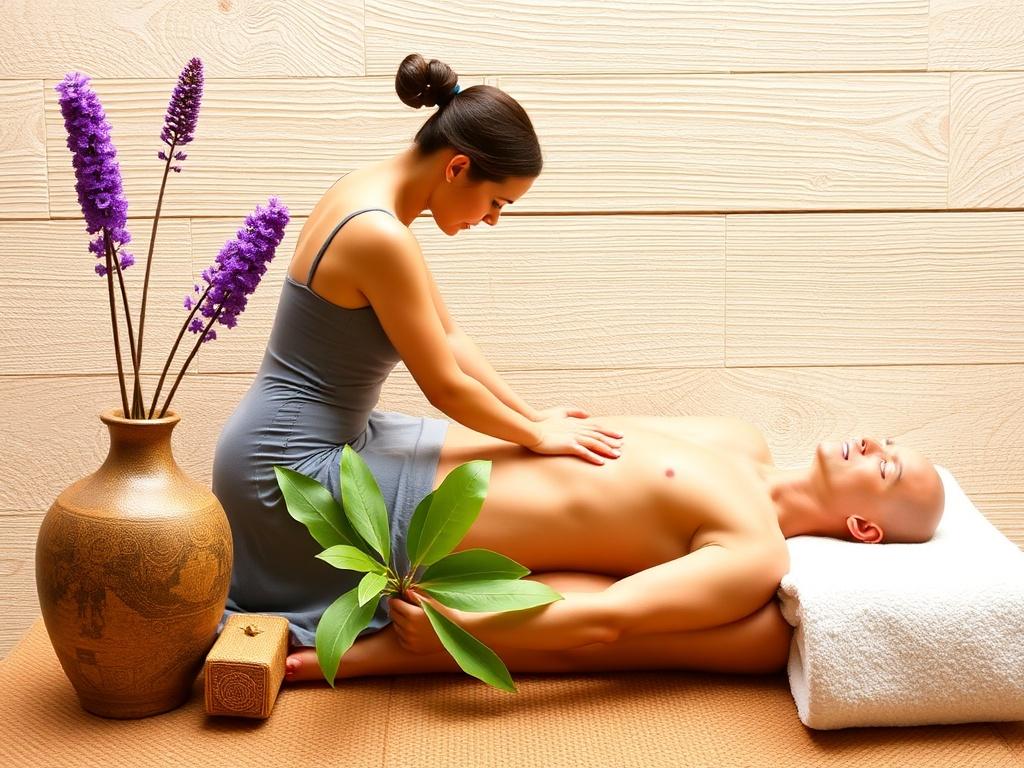
Massage is one tool among many. If you need hands-on care but want to broaden your approach, consider physical therapy for injury rehabilitation, chiropractic care for spinal issues, acupuncture for certain chronic conditions, or guided stretching and strength training to reinforce long-term results. Many people combine therapies—massage to relieve immediate tension, then exercise and posture work to prevent problems from returning.
Supporting Responsible Practices: Tips for Providers and Patrons
Quality experiences depend on both sides. For providers, maintaining up-to-date training, clear intake procedures, and good hygiene builds trust. For patrons, honest communication about health history, clear goals, and timely feedback during sessions helps therapists deliver safe, effective treatment. Mutual respect keeps the relationship professional and beneficial.
Quick Checklist for a Good Body Rub Visit
- Verify credentials and read a few recent reviews.
- Ask about the therapist’s experience with your specific issue.
- Confirm draping and privacy policies before arrival.
- Communicate pain thresholds and comfort levels during the session.
- Follow any aftercare advice—hydrate, rest, or apply ice if recommended.
Resources
If you want to dig deeper, professional organizations and local municipal resources are a good place to start. National associations like the American Massage Therapy Association (AMTA) and the Associated Bodywork & Massage Professionals (ABMP) maintain directories and educational materials. For legal and licensing questions, check with New Jersey’s consumer affairs or municipal licensing offices, and look up local public health guidelines that apply to spa and personal care services.
Conclusion
New Jersey body rubs, understood as legitimate massage and therapeutic touch, can be a practical, enjoyable way to ease tension, manage pain, and support overall wellness—provided you choose reputable practitioners and stay informed about safety and legal boundaries. Do a little homework before booking, ask clear questions, and communicate openly during the session; those simple steps go a long way toward a positive outcome and a restful, restorative experience.