

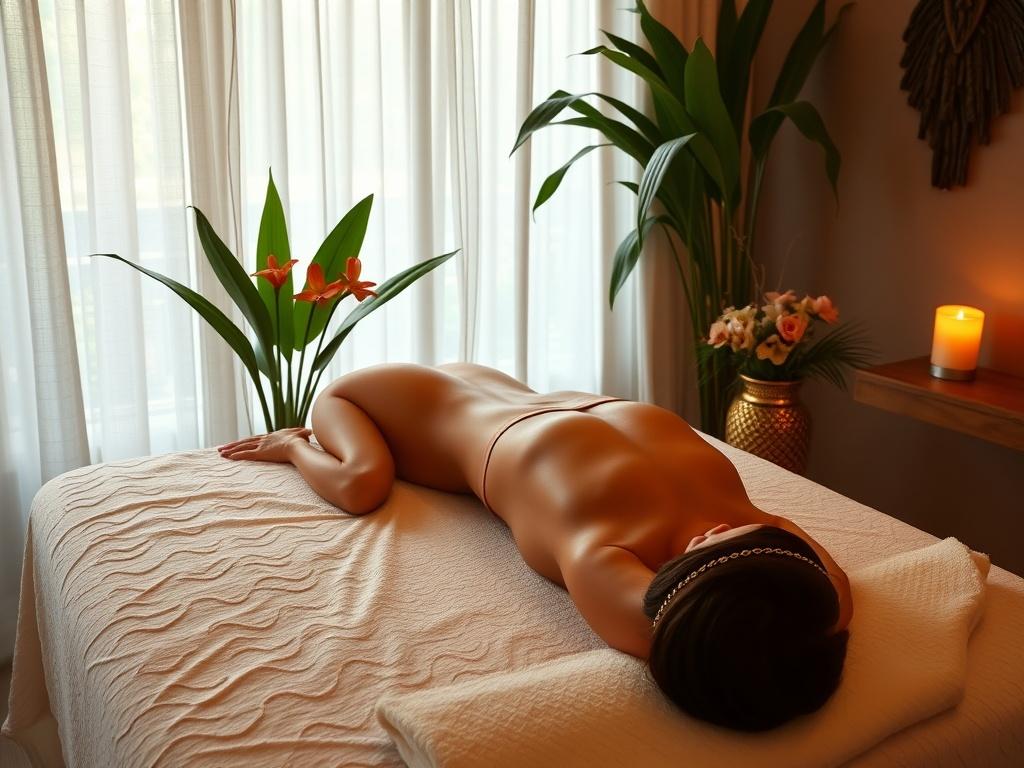
Thai massage sits at an odd intersection in people’s minds: it’s therapeutic, rhythmic, and often performed with close contact and flowing movements, so some assume it must be sensual. That assumption can be harmless curiosity for some and a source of trouble for others—both clients and therapists. In this article I’ll walk you through what Thai massage actually is, why it sometimes gets labeled “sexy,” how to choose a reputable practitioner, clear boundaries and etiquette, safe partner techniques you can try at home, and how to respond if a session crosses a line. The goal is practical: keep the benefits and warmth of this ancient art while protecting dignity, consent, and professionalism.
What Thai Massage Really Is
At its core, Thai massage—often called Nuad Thai or Thai yoga massage—is a system of bodywork that combines rhythmic compressions, acupressure, gentle joint mobilizations, and assisted stretching. It’s usually done on a firm floor mat with the recipient wearing loose, comfortable clothing. Unlike oil-based Swedish or aromatherapy massages, traditional Thai massage rarely uses oil and emphasizes movement and breath-syncing to open joints and circulate energy.
Origins and Philosophy
Thai massage developed over centuries within traditional Thai medicine, borrowing elements from Ayurveda and Chinese medicine. Historically, it’s said to have been practiced by monastic healers and lay practitioners, aimed at balancing what traditional systems call energy lines (sen) and relieving both muscular tension and energetic stagnation. While this language is not scientific in the modern biomedical sense, many people find the combo of stretching, pressure, and mindful breath to be deeply restorative.
Core Techniques and How a Session Flows
A typical Thai massage session includes a brief intake conversation, the client changing into comfortable clothing, and a sequence of techniques performed from feet to head or vice versa. Practitioners use palms, thumbs, elbows, forearms, knees, and their body weight to apply pressure. They also guide the client through passive stretches that resemble assisted yoga postures. Sessions can range from 30 minutes to two hours; longer sessions allow more complete attention to the whole body.
Why Some People Describe Thai Massage as “Sexy”
Touch is powerful. That’s the simplest reason. Massage—of any form—creates a space of physical closeness, trust, and sensory attention. Thai massage amplifies that because the practitioner often moves around the recipient’s body, shifts positions, and applies long, continuous movements that can feel intimate. The setting—soft lighting, quiet music, warm room temperature—adds to the perception.
But “sexy” is not an inevitable or appropriate outcome. The sensation of relaxation or emotional release can be mistaken for sexual arousal, especially if the client is unfamiliar with professional boundaries. Cultural misunderstandings also matter: what’s considered acceptable professional proximity in one place may read differently elsewhere. Importantly, trained Thai massage therapists are taught to maintain professional conduct, respect clothing boundaries, and prioritize client safety and comfort.
Thai Massage vs. Erotic Massage: Clear Differences
There’s a spectrum between therapeutic massage and services marketed for sexual stimulation. Mixing the two is fraught with ethical and legal problems. Below is a practical comparison to help you tell the difference.
| Characteristic | Professional Thai Massage | Erotic/Commercial Sexual Services |
|---|---|---|
| Primary purpose | Therapy: release tension, improve mobility, promote relaxation | Sexual arousal or sexual services |
| Environment | Calm, professional; therapist trained and registered (often in countries with licensing) | Often suggestive or explicitly marketed as sexual |
| Clothing | Client fully or appropriately clothed in loose garments; therapist clothed | Undressed or partially undressed clients/therapists may be advertised |
| Consent & boundaries | Strict informed consent and respect for boundaries; sexual contact prohibited | Sexual consent may be part of the service; legal issues vary by jurisdiction |
| Technique focus | Pressure points, stretches, joint mobilization; no sexual stimulation | Areas associated with sexual arousal emphasized |
| Legal status | Legal and regulated in many places | Often illegal, regulated, or operating in gray markets |
Why Conflating the Two Is Harmful
When therapeutic massage gets confused with erotic services, therapists face harassment, clients experience discomfort, and the profession suffers reputation damage. Clients seeking legitimate bodily care may avoid therapy for fear of awkwardness, and therapists may feel pressured to enforce boundaries rather than provide healing work.
Finding a Reputable Thai Massage Practitioner
When you want therapeutic Thai massage—rather than something explicit—finding the right place matters. Here are practical criteria to use when choosing a practitioner or spa.
- Training and certification: Look for documented training in Thai massage (hours or diploma) and memberships in professional associations.
- Transparent intake: A professional therapist asks about medical history, injuries, pregnancy, and your goals before starting.
- Clear pricing and written policies: Costs, cancellation policies, and informed consent should be clear upfront.
- Clean, comfortable setting: The space should be tidy, with a firm mat or massage table, fresh linens, and appropriate temperature.
- Professional conduct: Therapists should explain techniques, ask for permission, and check comfort during the session.
- Reviews and word-of-mouth: Client reviews or recommendations from trusted sources are useful, but look for detailed comments about professionalism and safety.
Red Flags to Watch For
- Offers of sexual services, suggestive advertising, or pricing that emphasizes “extras.”
- Therapists who pressure you to remove clothing that would normally remain on for Thai massage.
- Requests for private appointments in residential settings without verifiable credentials.
- Lack of intake questions about medical issues or pain areas.
- Unwillingness to provide receipts, licenses, or contact information.
Etiquette and What to Wear
Good etiquette keeps both parties comfortable. Thai massage is usually performed with the client wearing loose, non-restrictive clothing—think cotton yoga pants and a T-shirt. That preserves modesty while allowing the therapist to perform stretches and access limbs easily.
- Wear breathable, loose clothing rather than tight jeans or dresses.
- Remove jewelry that might catch on fabric or cause discomfort.
- Arrive with clean feet and be on time to avoid disrupting the schedule.
- Communicate any recent injuries, surgeries, or areas you prefer not to be touched.
- If you feel uncomfortable at any time, say so. A professional therapist will pause and adjust.
Legal and Ethical Considerations
Laws about massage vary widely. In many countries and states, trained therapists must hold licenses or certifications. Some jurisdictions have strict rules separating therapeutic massage from sexual services and require spas to adhere to standards of conduct. If you travel, remember legal and cultural expectations differ; what is tolerated in one place may be illegal in another.
Ethical practice depends on informed consent, transparent boundaries, confidentiality, and ongoing communication. If a therapist makes sexual advances or performs sexual acts, that crosses both ethical lines and often legal ones. You have the right to stop the session immediately and remove yourself from the situation.
If You Want Sensuality Without Crossing Lines: Couples Massage and Intimacy
Some couples want a sensual, connective experience together. You can create a sensuous atmosphere—soft lighting, music, gentle oils, and a caring, attentive touch—without turning it into sexual stimulation. The difference is intention and explicit consent about boundaries.
Couples massage done respectfully emphasizes attunement and relaxation. It’s about giving and receiving care, not sexual arousal. Here are guiding principles for couples attempting massage at home:
- Discuss boundaries before you start. Be explicit about areas to avoid and what feels safe.
- Keep communication open during the session—simple check-ins like “pressure okay?” keep both parties aligned.
- Choose non-erogenous techniques: palm compressions, long strokes on the shoulders and back, kneading the calves, gentle scalp work, and guided passive stretches.
- Keep it brief and focused. A 10–20 minute routine for each partner can be deeply connective without veering into sexual territory.
Simple Partner Routine (10–15 Minutes Each)
This routine uses safe, non-sexual techniques inspired by Thai massage principles. Use a firm surface like a bed or mat, keep clothing on, and maintain clear consent.
- Set the scene: dim the lights, pick soft music, and ensure the room is comfortably warm.
- Start with the feet: from the heel to toes, use palms to apply steady, even pressure along the sole. Finish with gentle thumb compression on the arch.
- Move to calves: using both hands, perform long strokes from ankle to knee, then circular kneading on the sides of the calves.
- Thighs and hips: with flat palms, apply gentle compressions along the outer thigh; keep pressure moderate and avoid deep inner thigh work.
- Lower back and glutes: ask permission before touching the lower back; use thumbs to apply broad, even pressure along the paraspinal muscles, staying lateral to the spine.
- Shoulders and neck: have the receiver sit up; use thumbs and heels of hands to make long strokes across the shoulders, finish with gentle neck stretches—support the head and tilt slowly.
- Scalp and face: finish with light scalp rubs and gentle forehead strokes to release tension.
These techniques prioritize safety and relaxation. If either person feels arousal or discomfort, pause and discuss. Consent can be revised in the moment.
Self-Massage and Mindful Touch
You don’t always need a therapist to get benefits. Self-massage and mindful touch inspired by Thai principles are powerful tools for regulating stress and restoring mobility. Self-administered stretches, foam rolling, and gentle acupressure can be done daily and tailored to your needs.
- Breath first: begin with a few minutes of slow, diaphragmatic breathing to calm the nervous system.
- Gentle compressions: use your thumbs or a ball to press into tight spots for 10–20 seconds, then release.
- Assisted stretches: use a strap or towel to replicate Thai-style passive stretches—hamstring or shoulder stretches done slowly and with breath.
- Focus on rhythm: Thai massage is as much about flow as pressure. Keep movements steady and unhurried.
Health Benefits—and When Not to Get Massaged
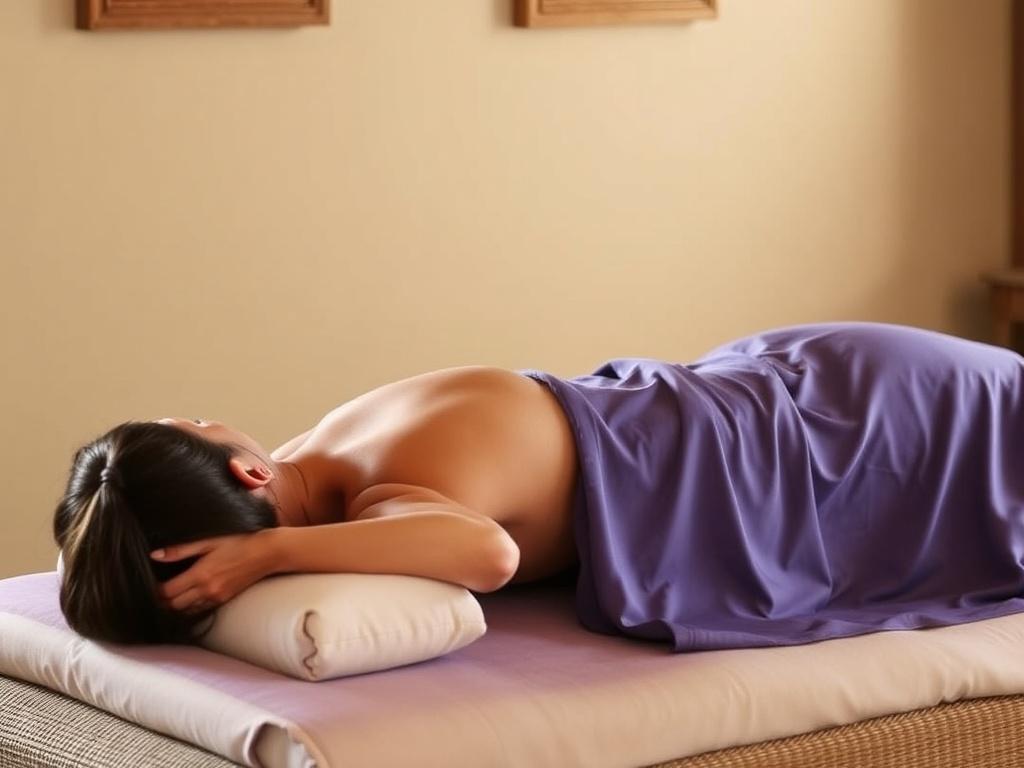
Many people experience improved flexibility, reduced muscle tension, increased circulation, and deep relaxation from Thai massage. It can also help with chronic pain patterns when used as part of a broader care plan. That said, there are situations where massage can be contraindicated or require medical clearance.
| Potential Benefit | Evidence/Consideration |
|---|---|
| Reduced muscular tension | Massage and assisted stretching can relax muscle groups and improve range of motion. |
| Pain relief | Many people report short-term reductions in pain; long-term effects vary and often require ongoing care. |
| Improved circulation | Manual pressure can temporarily increase blood flow to worked tissues. |
| Stress reduction | Touch and mindful techniques stimulate the parasympathetic nervous system for relaxation. |
When to Avoid or Modify Thai Massage
- Acute injuries or recent surgeries—seek medical clearance before massage.
- Blood-clotting disorders or use of blood thinners—vigorous massage can be risky.
- Uncontrolled high blood pressure—some positions and stretches may be contraindicated.
- Pregnancy—therapists trained in prenatal massage should be used; some stretches and positions are inappropriate.
- Severe osteoporosis or fragile bones—deep pressure and mobilizations may be harmful.
If you have a chronic condition, talk to your physician or a qualified therapist before beginning Thai massage. A good therapist will modify techniques to keep you safe.
Training, Certification, and Professionalism
Thai massage training ranges widely. Serious programs include comprehensive classroom hours, supervised practice, anatomy education, and hands-on assessments. In some countries, licensing or registration is required for therapeutic massage practitioners. Look for schools that teach both technique and ethics, including boundary-setting and client communication.
Professionalism also shows up in small details: a clear intake form, the use of gloves or special protocols when relevant, up-to-date hygiene practices, and respect for client modesty. Therapists ideally participate in continuing education to keep skills refined and stay current with safety protocols.
Cultural Respect and Avoiding Fetishization
Thai massage has roots in a living culture. When you seek it out, you’re not just buying a service—you’re stepping into a practice with history and meaning. Cultural respect means acknowledging origins, avoiding trivializing language, and asking about the therapist’s training rather than making assumptions about nationality or gender. Fetishizing Thai culture or therapists creates discomfort and perpetuates harmful stereotypes.
Common Myths and Realities
- Myth: Thai massage is always done naked or with oil. Reality: Traditional Thai massage is usually clothed and oil-free.
- Myth: It must be painful to be effective. Reality: Some stretches can be intense, but pain is not required; therapists should work within your tolerance.
- Myth: Thai massage is erotic by nature. Reality: It can feel intimate due to touch and close bodily proximity, but professional practice is therapeutic, not sexual.
- Myth: All therapists are trained the same. Reality: Training varies widely; credentials and experience matter.
How to Respond If a Session Crosses a Line
Even with the best intentions, uncomfortable situations can happen. Here’s a calm, practical approach if a therapist behaves inappropriately or you feel violated.
- Pause and clear communication: Say something short and direct like “Please stop” or “I’m not comfortable with that.”
- Remove yourself if needed: Stand up, dress, and leave the space if you feel unsafe.
- Document the incident: Write down what happened, including date, time, and any witnesses.
- Report: Contact the spa management, a licensing board, or local authorities depending on severity. Many professional associations will investigate complaints.
- Seek support: Talk with friends, and if needed, a counselor. If a legal violation occurred, consult law enforcement or a legal advisor.
Costs and What to Expect in Pricing
Pricing depends on geographic location, therapist expertise, session length, and setting. To make sense of the range, here’s a rough comparison you can expect in many places. These are ballpark figures to help you plan; actual prices vary widely.
| Setting | Duration | Typical Price Range (USD) | Notes |
|---|---|---|---|
| Traditional spa/clinic in Thailand | 60–120 minutes | $10–$50 | Often lower cost; variable standards—check reviews |
| Licensed clinic in Western country | 60–90 minutes | $60–$150 | Higher cost reflects training, overhead, insurance |
| Private therapist / in-home | 60–90 minutes | $80–$200+ | Convenience fee may apply; verify credentials |
Always check what the price includes: consultation, treatment time, taxes, and gratuity. If anything feels unclear, ask in advance.
Traveling and Cultural Nuances
If you’re traveling in Thailand and want an authentic experience, you’ll likely encounter a wider variety of settings—from tourist-oriented spas to clinics offering traditional Nuad Boran taught in lineages back to monasteries. In Thailand, the norms around touch, modesty, and who performs massage can differ from home. Stick to reputable places recommended by locals or trusted guides, and be mindful that the legal and cultural frameworks differ.
Outside Thailand, many practitioners blend Thai techniques with Western modalities. That hybrid approach can be very effective but expect clearer boundary protocols and more emphasis on medical intake.
Practical Tips for a Better Session
- Eat lightly beforehand—avoid heavy meals within an hour of your appointment.
- Hydrate before and after; massage releases fluids and metabolic byproducts.
- Be mindful of medications that affect bleeding or blood pressure.
- Tell the therapist about chronic conditions and previous surgeries.
- Ask for explanations of techniques as they’re used if you’re curious—good therapists welcome questions.
Final Thoughts on Balancing Sensuality and Respectful Bodywork
0
Touch can heal, soothe, and connect—but it can also be misread. Understanding that Thai massage’s flowing, body-oriented nature can feel intimate helps both clients and therapists set boundaries that preserve the therapeutic outcome. If you want sensual connection, create it intentionally with a consenting partner using clear boundaries; if you want therapeutic release, seek trained, professional practitioners who prioritize your safety and dignity. Either way, communication and respect are the pillars that make the experience restorative rather than fraught.
Conclusion
Thai massage is not inherently “sexy,” though its close-contact methods can feel intimate; the difference lies in intention, training, and boundaries. By choosing reputable practitioners, communicating clearly, respecting cultural origins, and using simple partner or self-massage techniques when you want to share a sensual, non-sexual experience, you can enjoy the many benefits of Thai-style bodywork safely and respectfully. If a session ever feels uncomfortable, trust your instincts: stop, speak up, and remove yourself if necessary. With clear consent and care, Thai massage can be a powerful tool for relaxation and healing—without blurring professional or personal lines.