


New York City is a big place to feel small—especially when your back is yelling at you after a subway ride or a long day at a desk. “Body rub” can mean different things to different people, but if what you seek is real relief, relaxation, and professional touch, this guide will show you how to find the best body rub NYC has to offer without guessing or getting burned. I’ll walk you through styles of bodywork, where to look, how to spot reliable practitioners, what to ask, and what to expect the moment you hit the door.
What “Body Rub” Actually Means
The phrase “body rub” is casual and elastic: for some it’s a soothing Swedish session; for others it’s deep therapeutic work aimed at chronic pain. Start by clarifying your own goal. Are you trying to wind down after a flight, recover from a hard run, or treat a stubborn knot that won’t let you sleep? Naming your objective makes choosing the right provider much simpler and keeps expectations realistic.
Different providers use different language. Medical clinics and licensed therapists often say “massage therapy” or “therapeutic massage.” Spas may advertise “body treatments” or “bodywork.” When a listing uses vague promises with sexual innuendo or avoids written intake procedures, it’s a red flag. In New York City, many legitimate professionals emphasize credentials, written intake forms, and clear descriptions of techniques—those are the ones worth your time.
Common Modalities and What They Do
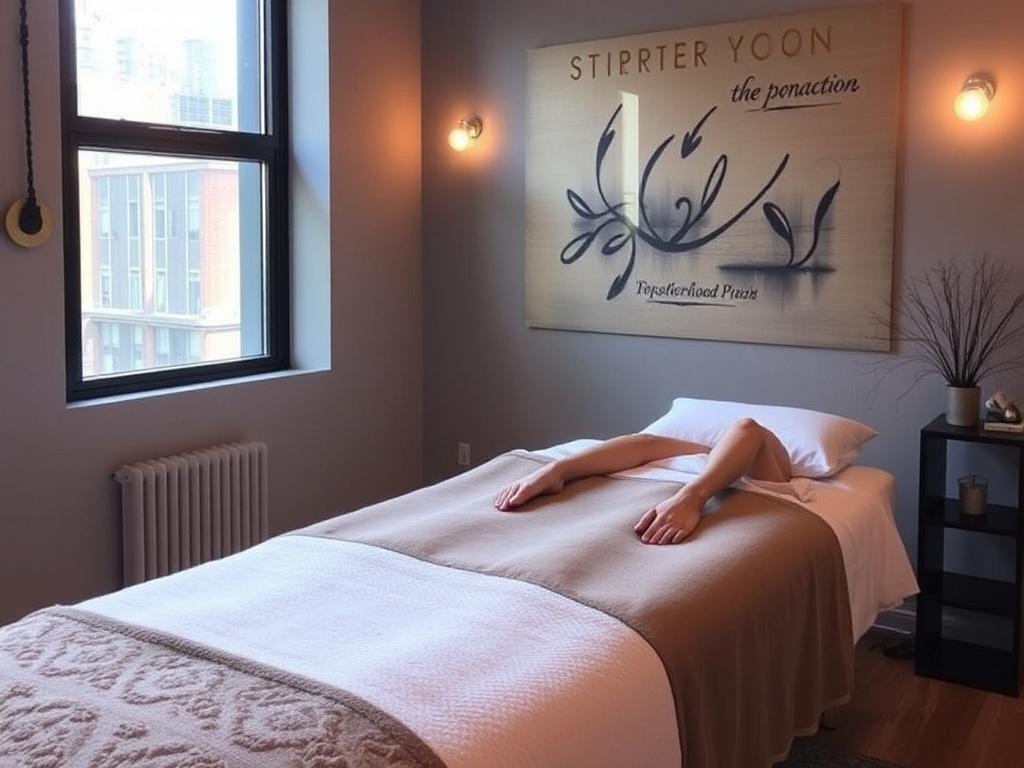
Below is a compact table to orient you. Knowing the modality can prevent disappointment and help you explain exactly what you want.
| Modality | Typical Pressure | Primary Benefits | Good For |
|---|---|---|---|
| Swedish | Light–Medium | Relaxation, circulation | First-timers, stress relief |
| Deep Tissue | Firm | Break up adhesions, chronic tension | Chronic neck/back pain |
| Sports | Variable | Performance, recovery, range of motion | Athletes, pre/post-event |
| Trigger Point / Myofascial | Targeted, firm | Reduce referred pain, mobility | Local muscle knots |
| Shiatsu / Acupressure | Finger pressure, rhythmic | Energy balancing, tension relief | Those open to Eastern approaches |
| Lymphatic Drainage | Very light | Reduce swelling, support immune system | Post-surgical recovery, edema |
| Prenatal | Gentle | Reduce pregnancy discomfort | Expectant mothers (trained practitioners only) |
How to Identify a Reputable Body Rub Provider in NYC
In a city packed with options, the best body rub NYC places share a few consistent traits. First, they communicate clearly. A trustworthy therapist or spa will ask about your health history, current medications, and specific pain points before the session begins. Second, documentation matters: intake forms, printed policies for cancellations and gratuity, and a visible professional license or certification (where applicable) show legitimacy. Third, the environment should feel clean and respectful—no questions asked about hidden fees, no pressure to add services, and clear draping protocols during treatment.
Online reputation helps but isn’t the whole story. Read multiple reviews and pay attention to consistent patterns. One or two fawning five-star reviews don’t prove a place is outstanding, but hundreds of mixed reviews pointing to the same problem (rude staff, inconsistent pressure, unexpected charges) should steer you elsewhere.
Questions to Ask Before Booking
– Are your therapists licensed or certified? Which schools or organizations do they belong to?
– How long has the therapist been practicing?
– What modalities do you recommend for my specific issue?
– How do you handle draping and privacy?
– Do you accept insurance, HSA/FSA, or offer receipts for reimbursement?
– What is your cancellation policy and is gratuity included?
These questions are simple and direct. A professional will answer them plainly. If the response is evasive or the phone operator dodges the specifics, that’s often a sign to keep looking.
Red Flags to Avoid
Bodywork should always be therapeutic and respectful. These warning signs indicate a place to avoid:
- No written intake form or refusal to discuss medical history.
- Invasive requests for undressing beyond what’s required for the treatment, or sessions conducted in a nonprofessional setting without proper draping.
- Advertisements that emphasize sexual services, vague language like “extras available,” or pressure to tip excessively in cash.
- Cash-only operations with no receipt or traceable payment method.
- No clear business address or shifting locations frequently without explanation.
If you encounter any of these, trust your instincts. Your safety and comfort are nonnegotiable.
Neighborhoods and the Type of Experience They Offer
Where you go in NYC will shape the tone of your session. Different neighborhoods tend to cluster certain types of providers—luxury spas, clinical therapists, pop-up studios, or budget options. Knowing the neighborhood vibe helps you match service to need.
- Midtown Manhattan: Convenient for commuters, many hotel-based and chain spas offering predictable, polished experiences.
- SoHo / West Village: Boutique and sometimes pricier; expect aesthetic-focused spaces and eclectic modalities.
- Chelsea / Flatiron: Mix of wellness studios and destination spas; strong options for therapeutic and sports massage.
- Upper East/West Sides: Comfortable, traditional spas and clinics serving longer-term clients.
- Lower East Side / East Village: Independent therapists and alternative bodyworkers; affordability varies.
- Brooklyn (Williamsburg, Park Slope, DUMBO): Creative approaches, mobile therapists, smaller studios with community feel.
- Queens (Astoria, Long Island City): Good value, local practitioners, increasing number of specialized clinics.
This map is a rule of thumb, not a law. Great therapists exist in every borough. The key is to match the location and ambience to your priorities—convenience, price, specialty, or atmosphere.
Typical Price Ranges and What They Mean
Price can indicate quality, but not always. In NYC, expect a range based on location, the therapist’s experience, the spa’s reputation, and the modality.
| Duration | Typical Price Range (Approx.) | What to Expect |
|---|---|---|
| 30 minutes | $50–$90 | Focused area work or brief relaxation; good for a midday reset. |
| 60 minutes | $80–$160 | Standard session for stress relief or initial therapeutic work. |
| 90 minutes | $120–$220 | More time for deep work, problem areas, or combined modalities. |
| 120 minutes | $180–$300+ | Full-body treatment, includes longer consultations and aftercare advice. |
These ranges are approximate. Always check the current menu; some specialty therapists and medical massage providers charge higher fees, while new clinics and co-ops may offer introductory rates.
Booking, Arrival, and In-Session Etiquette
A smooth session begins before hands-on time. Book in advance, especially for weekends and evenings. When you arrive, bring a list of any medications, recent surgeries, and relevant diagnoses. Be on time; therapists often schedule back-to-back appointments, and tardiness can shorten your session or incur a fee.
Expect a private intake where the therapist reviews your form. On the table, draping is standard—only the area being worked on should be exposed. If you’re uncomfortable at any point, speak up. Skilled therapists invite feedback: “Softer, please,” or “Less pressure on my shoulders” are useful, specific cues. If you need a break during deep tissue work, say so. The therapist should check in periodically to make sure pressure and comfort are appropriate.
Tipping is common in NYC. A customary range is 15–25% of the service cost, given in cash or added to a card. Ask about gratuity policies—some high-end spas include service charges, and some therapeutic clinics prohibit tipping; always check the practice’s policy.
What to Wear and What to Expect Post-Session
On the table, you undress to your comfort level. Many people keep underwear on; therapists work around what’s left on. After the session, take a few minutes to stand up slowly—massage can lower blood pressure and make you feel lightheaded. Drink water, avoid heavy meals immediately after, and allow yourself gentle movement rather than sprinting back into a busy life.
If you drove or took a taxi, bring water and a jacket—your core temperature can dip after a long massage, especially deep tissue or lymphatic work.
Health Considerations and Contraindications
Massage is generally safe, but not always appropriate. Certain conditions call for medical clearance: recent surgeries, uncontrolled hypertension, blood clotting disorders, contagious skin conditions, or infectious fevers. If you’re pregnant, see a therapist trained in prenatal massage. Cancer patients should get sign-off from their oncologist before starting bodywork, and therapists who advertise oncology massage usually have additional training.
Be candid with your practitioner about pain levels. A therapeutic session aims to reduce pain overall; brief discomfort during targeted release can happen, but intense, worsening pain is a signal to stop. If you experience numbness, tingling, or new weakness after a session, contact a medical professional immediately.
COVID-19 and Respiratory Safety
Clubs and clinics have adjusted policies since the pandemic. Even if city-level mandates have relaxed, individual providers may still require masks, maintain limited capacity, or ask about recent symptoms. If air quality or ventilation concerns matter to you, ask whether the treatment rooms have windows or enhanced filtration.
Specialized Bodywork: When to Seek a Specialist
Some problems benefit from focused expertise. If you’re an athlete, a practitioner trained in sports massage can help with pre-event warm-ups, trigger point release, and tailored stretching protocols. If swelling or lymphedema is the issue, manual lymphatic drainage is a specific technique requiring certification. For chronic pain rooted in posture or nerve entrapment, a therapist with a background in orthopedic or neuromuscular techniques will be more effective than a generic relaxation-oriented session.
Consider also multi-disciplinary clinics where a therapist collaborates with a physical therapist, chiropractor, or physician—those settings are ideal when pain has a clear medical cause and you need a coordinated plan.
How to Communicate Your Needs Effectively
Clarity beats assumptions. Try this brief script when your therapist comes in: “I have chronic tension across my upper traps and recent flare-ups in my lower back. I want pressure that’s firm but not sharp. My goal is reduced pain and better sleep. Are you comfortable focusing on those areas?” This gives the practitioner both the context and permission to problem-solve.
During the session, use concrete feedback: “A bit more pressure on the left shoulder, please,” or “Please avoid pressure on that spot—it’s sensitive.” Therapists are trained to adapt; they can’t do that if you don’t speak up.
At-Home, Mobile Therapists, and Spa Visits: Pros and Cons
There are three common ways to get a body rub in NYC: visiting a spa or clinic, hiring a mobile therapist who comes to your apartment, or booking an in-office appointment at a practitioner’s private suite. Each has trade-offs.
– Spa/Clinic: Consistent environment, linens, and reception staff. Good for those who want a full-service experience with extras like steam rooms.
– Mobile Therapist: Maximum convenience; ideal if you’re homebound or prefer your own space. Confirm identity and credentials and require a clear cancellation/arrival policy. Ask about the therapist’s setup—does the therapist bring a table, sheets, and cleaning supplies?
– Private Suite/Independent Therapist: Often more affordable and may offer a quieter, more personalized atmosphere. Make sure the space is professional and that the practitioner follows standard sanitation.
Whichever you choose, verify identity, check reviews, and confirm payment methods before the appointment.
DIY Recovery and Aftercare Tips
Getting a body rub is only part of the picture. Aftercare extends benefits. Simple, practical steps help you hold onto relief:
- Hydrate generously for 24–48 hours to assist in clearing metabolic byproducts from tissues.
- Apply heat to sore areas if recommended; cold for acute inflammation.
- Use a foam roller gently to maintain mobility in major muscle groups.
- Follow short guided stretches your therapist recommends—two or three moves daily can prevent re-tightening.
- Schedule follow-ups strategically: short, regular sessions often outperform one-off marathon treatments.
A small investment in aftercare extends benefits and reduces the likelihood of flare-ups.
Insurance, Memberships, and Getting Better Value

Some health insurance plans or HSA/FSA accounts may reimburse for medically necessary massage when prescribed by a physician. Coverage varies widely, so check your plan and get a detailed receipt stating the diagnosis code and therapist credentials if you plan to seek reimbursement. Many clinics and chains offer memberships with monthly credits; these make sense if you plan regular care. Also watch for package pricing—buying a short series of sessions from the same therapist often reduces per-session cost and yields better therapeutic results.
Timing, Deals, and Booking Hacks
If you’re looking for a bargain, the timing matters. Many spas offer weekday and off-peak discounts. New therapists sometimes offer reduced rates while building clientele—these appointments can be excellent if you’re willing to work with an emerging professional. Use apps and local websites for last-minute offers, but always check reviews and credentials first. For peak demand times—holiday season and weekends—book weeks in advance.
Choosing the Best Body Rub NYC: Real-World Scenarios
Here are three short scenarios and how I’d approach each one, so you can apply the logic to your own situation.
Scenario 1: You want pure relaxation after a long trip.
Go for a 60–90 minute Swedish or aromatherapy session at a mid- to high-end spa near your hotel. Book in the afternoon, arrive early to use the amenities, and request light pressure. Avoid deep-tissue unless you enjoy intense release.
Scenario 2: Chronic neck pain that wakes you at night.
Seek a therapist with training in orthopedic or neuromuscular therapy. Book a 60–90 minute session with a clear intake form. Expect targeted work and a home exercise plan. Consider a clinic that coordinates with a physical therapist for a long-term plan.
Scenario 3: Long-distance runner preparing for a race.
Book sessions focused on sports massage, myofascial release, and active recovery. Schedule one or two sessions in the weeks leading up and one for post-race recovery. Communicate your training schedule so the therapist can time interventions appropriately.
These scenarios underline a simple rule: match the therapist’s specialty to your specific goal.
Directories, Apps, and Professional Organizations
To find vetted professionals, use several sources:
- Professional directories that list credentials and specialties.
- Well-known review platforms—read multiple reviews, not just the most recent.
- Local neighborhood groups for recommendations from people who live nearby.
- Professional organizations and schools—membership often signals ongoing education.
Cross-checking across these sources gives a more reliable picture than relying on a single glowing review.
Quick Checklist: How to Pick the Best Body Rub NYC
| Step | What to Look For |
|---|---|
| 1. Define Goal | Relaxation, pain relief, sports recovery, prenatal |
| 2. Check Credentials | Certifications, years of experience, specialty training |
| 3. Read Reviews | Look for consistent praise or repeated complaints |
| 4. Ask Questions | Modality, intake, draping, cancellation, gratuity |
| 5. Confirm Practicals | Price, duration, location, parking/public transit |
| 6. Prioritize Safety | Cleanliness, private intake, clear boundaries |
This checklist compresses the process into practical steps you can follow quickly when booking.
Final Thoughts on Finding the Best Body Rub NYC
New York’s variety is its advantage: whether you need a clinical fix for chronic pain, a restorative hour of hands-on relaxation, or a mobile therapist to come to your apartment, the best body rub NYC offers is the one that aligns with your specific need, communicates clearly, and respects your boundaries. Invest a little time asking the right questions, check multiple sources for reputation, and plan follow-up care. With that approach you’ll spend less time sorting through options and more time feeling better.
Conclusion
Finding the best body rub NYC requires clarity about your goals, a little homework on credentials and reviews, and straightforward communication with your therapist; do that, and you’ll consistently walk out of sessions with relief, not regret.