

Imagine settling into a cozy movie theater or binge-watching a favorite series, only to find yourself rooting for a story that culminates in happiness and harmony. Chinese entertainment, whether in film, television, or literature, is renowned for its unique approach to storytelling—often culminating in what is lovingly called a “Chinese happy ending.” This concept doesn’t just encapsulate the conclusion of a story but also reflects deep cultural values, social ideals, and philosophical beliefs embedded within Chinese society. Throughout this article, we will explore the intriguing world of Chinese happy endings, their cultural significance, how they manifest in various media, and why they continue to resonate with audiences around the globe.
What Is a Chinese Happy Ending?
At its core, a Chinese happy ending refers to a narrative resolution where the main characters find happiness, success, love, or peace after overcoming obstacles. Unlike some Western stories that might have more ambiguous or tragic conclusions, Chinese tales often emphasize moral lessons, social harmony, and the triumph of virtue. These endings serve not only as entertainment but also as a reflection of societal ideals, illustrating hope and the importance of perseverance.
In Chinese storytelling, happy endings often symbolize the restoration of balance—be it familial, social, or spiritual. The characters’ journeys tend to reaffirm traditional values like filial piety, loyalty, kindness, and righteousness. Whether it’s a romantic story where lovers reunite, a family restoring its harmony, or a hero achieving justice, the happiness depicted is usually wholesome, fulfilling cultural expectations for positive resolution.
The Roots of the Happy Ending Tradition in Chinese Culture
Understanding where Chinese happy endings originate requires a dive into the rich cultural and philosophical history of China. Confucianism, Taoism, and Buddhism have deeply influenced storytelling, shaping how narratives unfold and resolve. Confucian ideals emphasize moral integrity, social harmony, and filial piety, which often find their way into the story’s happy ending—highlighting virtuous behavior resulting in societal or familial reconciliation.
Taoism introduces the concept of harmony with nature and the universe, suggesting that life’s natural course often culminates in balance and peace. Stories inspired by Taoist thought tend to demonstrate that following the natural flow of life leads to happiness. Buddhism’s focus on cycles of rebirth and enlightenment also influences the notion that ultimate happiness is achievable through moral virtue and spiritual growth.
Historically, Chinese literature, opera, and folktales have been filled with stories that culminate in happy endings—reinforcing lessons about morality, perseverance, and the importance of societal cohesion. Classic works like “The Water Margin” or “Journey to the West” often conclude with characters attaining their goals and returning to a state of peace, embodying the value placed on harmonious endings.
Chinese Happy Endings in Traditional Literature and Folklore
Traditional Chinese literature is replete with stories that exemplify happy ending motifs. For instance, “The Peony Pavilion,” a Chinese dramatic work from the Ming Dynasty, ends with the lovers reunited after overcoming death and societal obstacles. Similarly, many folktales revolve around “good versus evil” themes, where kindness and righteousness ultimately triumph, bringing peace and happiness.
Table 1 illustrates some famous Chinese folk stories and their typical ending themes:
| Story | Ending Theme |
|---|---|
| The Butterfly Lovers | Reunion in paradise, eternal love |
| The Legend of the White Snake | Resolution and harmony between humans and spirits |
| Madame White Snake | Restoration of order and moral virtue |
| Journey to the West | Enlightenment and returning home safely |
These stories are cherished not only for their entertainment value but also for their moral and philosophical teachings. They reassure audiences that virtue, perseverance, and kindness eventually lead to happiness and harmony.
The Role of Chinese Happy Endings in Modern Media
Fast forward to contemporary China, and the concept of a happy ending continues to influence movies, TV dramas, and literature. Chinese media has maintained its tradition of delivering emotionally satisfying conclusions, especially in genres like romantic dramas, historical epics, and family sagas.
In popular Chinese TV dramas, the narrative arc often culminates in lovers reuniting, families reconciling, or heroes achieving justice. These endings serve as a comfort for viewers, reinforcing hope amid life’s uncertainties. Interestingly, many modern Chinese filmmakers and writers may blend traditional themes with contemporary issues, ensuring that the happy ending still aligns with cultural values while reflecting modern realities.
For instance, a typical Chinese romantic TV series might follow a couple overcoming societal pressures, personal doubts, and external challenges, only to find happiness and societal approval at the conclusion. These stories often depict characters evolving morally and emotionally, emphasizing that persistence and virtue bring rewards.
Popular Themes in Modern Chinese Happy Endings

- Romantic union after adversity
- Family reunification and filial piety
- Restoration of social harmony
- Overcoming evil or injustice
- Spiritual enlightenment leading to peace
The following table summarizes some influential modern Chinese media with happy endings:
| Title | Genre | Typical Ending |
|---|---|---|
| Ode to Joy | Drama/Romance | Friends and lovers find happiness and self-acceptance |
| Nirvana in Fire | Historical/Political | Justice prevails, and the hero restores peace within the realm |
| Love You Forever | Romance/Family | Family reunification and lasting love |
These narratives continue to uphold the cultural preference for ending on a positive and hopeful note, resonating deeply with audiences worldwide.
The Significance of Chinese Happy Endings Beyond Entertainment
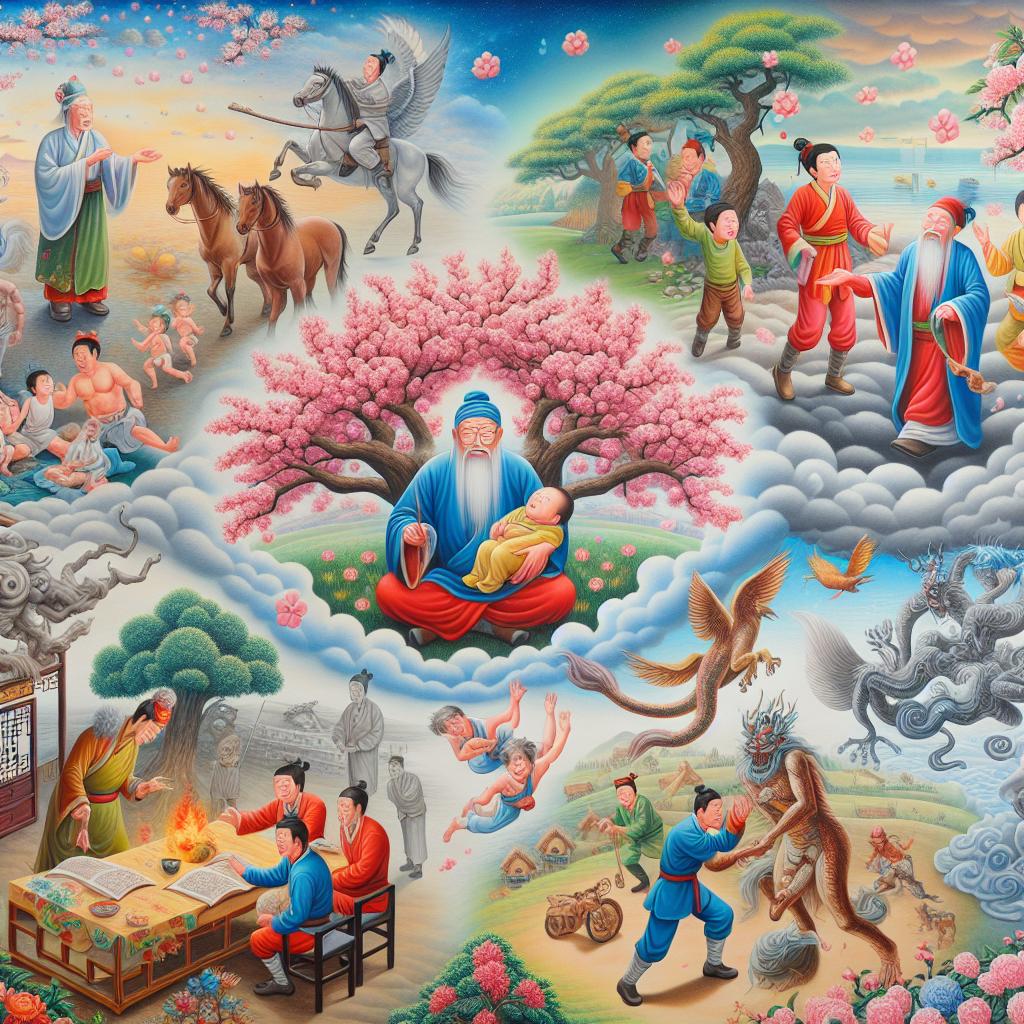
Chinese happy endings extend beyond entertainment—they reflect broader societal ideals and cultural beliefs. In a society that values harmony, collective well-being, and moral integrity, stories that end happily serve as moral exemplars and sources of reassurance. They reinforce the notion that sincerity, perseverance, and righteousness lead to positive outcomes, inspiring individuals to embody these virtues in their lives.
Additionally, these happy endings often promote social stability, emphasizing that resolution and harmony are paramount. In real life, Chinese culture places high importance on family unity and societal order, and stories concluding in happiness mirror these priorities.
Moreover, the emphasis on happy endings influences cultural practices, such as festival celebrations and traditional ceremonies, which often focus on themes of renewal, hope, and collective happiness. For example, during Chinese New Year, family reunions and festivities symbolize reunion, prosperity, and the hope for a joyful year ahead—mirroring the storytelling tradition of ending on a positive note.
The Future of Chinese Happy Endings in Global Media
As Chinese culture continues to influence global entertainment, the concept of a Chinese happy ending finds new expressions and audiences. International viewers are increasingly exposed to Chinese films and dramas that showcase cultural values through their storytelling styles. These stories often emphasize moral virtues, familial love, and societal harmony, with endings that inspire hope and positive reflection.
Streaming platforms and international film festivals have played pivotal roles in bringing Chinese stories to diverse audiences, highlighting the universal appeal of their happy endings. Moreover, as the world grows more interconnected, the appreciation for these storytelling archetypes encourages cross-cultural understanding and respect.
While modernization and globalization introduce new narrative complexities, many Chinese creators still adhere to the tradition of delivering satisfying conclusions. They recognize that happy endings resonate universally and serve as a reaffirmation of hope amid life’s challenges.
Conclusion
The concept of a Chinese happy ending embodies more than just a story’s conclusion—it reflects a rich cultural heritage rooted in philosophy, morality, and societal values. From ancient folklore and classic literature to contemporary film and television, these endings serve as a source of comfort and inspiration, emphasizing that virtue, perseverance, and harmony ultimately lead to happiness. As Chinese media continues to reach global audiences, the allure of these joyful resolutions remains strong, offering universal messages of hope and resilience. Whether in tales of love, justice, or spiritual enlightenment, Chinese happy endings remind us all that brighter days are always possible when virtue and harmony are upheld.