
Step off the subway, walk past the neon signs, and you’ll hear the phrase “downtown body rub” whispered into search bars and over coffee. It’s shorthand that can mean different things depending on the neighborhood, the business, and local laws. This article walks you through what people are usually talking about, how to spot reputable places, legal and safety considerations, and sensible expectations so you can make informed choices without awkward surprises.
Breaking Down the Phrase: What Is a Downtown Body Rub?
At its simplest, a downtown body rub refers to a hands-on service in an urban setting where one person applies touch to another’s body to relieve tension, improve circulation, or provide relaxation. That can include legitimate therapeutic massage, spa treatments like hot stone or Swedish massage, or other types of bodywork such as reflexology. In some contexts the term is also used euphemistically for services that cross into sexual or illegal territory, so the meaning depends heavily on the provider and the local regulatory environment.
Common Types of Services You’ll Encounter
- Licensed therapeutic massage — provided by credentialed therapists trained in anatomy and technique.
- Spa treatments — typically focused on relaxation, aromatherapy, or skin care in a more luxurious setting.
- Specialized bodywork — sports massage, myofascial release, or acupressure tailored to specific needs.
- Unregulated or ambiguous services — places that use vague language like “body rub” without clear credentials; these may operate outside the law.
How to Recognize a Legitimate Downtown Body Rub Business
In a busy downtown area, appearances can be misleading. Legitimate massage clinics and spas usually have transparent information about licensing, pricing, and the types of treatments offered. They list therapist qualifications and often operate in clean, professional spaces. On the other hand, businesses that avoid offering clear details or have inconsistent online reviews may require extra scrutiny.
| Legitimate Signs | Red Flags |
|---|---|
| Visible therapist credentials and license numbers | No licensing information, evasive staff |
| Professional website with prices and services listed | Vague service descriptions like “full service” without clarity |
| Clean intake forms, treatment consent, clear policies | Cash-only, off-the-books transactions, lack of receipts |
| Neutral or positive online reviews mentioning treatment quality | Reviews that emphasize sexual services or mention law enforcement raids |
Questions to Ask Before Booking
- Are your therapists licensed in this state/province?
- What style of massage or bodywork do you provide?
- Where will the session take place — private room, licensed clinic, spa?
- Do you require a health intake form and informed consent?
Legal and Safety Considerations
Local laws vary widely. Some cities have strict licensing and zoning for massage establishments; others have more permissive or inconsistent enforcement. It’s wise to check municipal or state regulations if you’re uncertain. Choosing licensed providers not only reduces legal risk but also increases the likelihood of a safe, professional experience.
From a personal-safety perspective, treat a downtown body rub the way you would any personal service: verify identity and credentials where possible, bring a friend if you feel uneasy about traveling alone to an unfamiliar neighborhood, and never feel pressured into services you didn’t request. If a situation becomes uncomfortable or coercive, leave and report it to local authorities or consumer protection agencies.
Health Considerations and Contraindications
Massage and bodywork can offer measurable benefits — reduced muscle tension, improved circulation, and stress relief are commonly reported. However, some conditions make certain treatments risky: fever, contagious skin conditions, recent surgery, deep vein thrombosis, and some cardiac conditions are examples where massage may be contraindicated. If you have major health concerns, consult your doctor before booking a session.
How to Choose the Right Downtown Body Rub for Your Needs
Choosing a provider boils down to clarity and credentials. If you want therapeutic results, pick a clinic that employs licensed massage therapists and describes treatments in clinical terms. If relaxation and ambiance are your priority, select a reputable spa with clear pricing and customer service. Whatever your objective, transparent communication is essential: tell the therapist your goals, any medical history, and what level of pressure feels comfortable.
Quick Checklist Before You Book
- Verify license or certification for therapists.
- Read recent, detailed online reviews from verified customers.
- Confirm pricing, duration, and cancellation policies in writing.
- Look for a professional setting with clear hygiene practices.
- Ask how they handle draping and boundaries to ensure comfort.
What to Expect During a Session
A professional downtown body rub will begin with an intake conversation or form that asks about health, pain points, and preferences. The therapist will explain draping (covering with sheets or towels) to preserve modesty and discuss pressure levels. Sessions vary in length but commonly last 30, 60, or 90 minutes. Payment methods should be transparent and receipts provided. If at any point you feel uncomfortable, speak up — a trained therapist will adapt or stop the session immediately.
Etiquette and Communication
Clear, polite communication improves outcomes. Say what you want and what you don’t. If a certain area is painful or you prefer lighter pressure, let the therapist know. Tip norms vary by city; check local custom or ask the front desk. Respect the therapist’s stated boundaries and the business’s code of conduct — the professional relationship is based on mutual respect.
Red Flags and What to Do
Some red flags require immediate action. Avoid businesses that promise “extras” in private rooms, pressure you for cash-only payments, or refuse to provide credentials. If you encounter illegal activity, prioritize your safety: leave the premises and consider reporting the situation to local authorities. If you suspect human trafficking or exploitation, contact national hotlines or local law enforcement; many countries have dedicated channels to handle such cases confidentially.
Resources and Alternatives
If you’re looking for safer, more regulated options than an ambiguous downtown body rub, consider these alternatives:
- Licensed medical massage clinics or physiotherapy centers.
- Well-reviewed day spas affiliated with known hotel chains.
- Registered massage therapists found through professional associations.
- Community wellness centers offering sliding-scale therapeutic services.
Professional associations and municipal health departments often maintain directories of licensed practitioners. These directories are especially useful when you’re in an unfamiliar city and want a reliable option quickly.
Sample Decision Flow
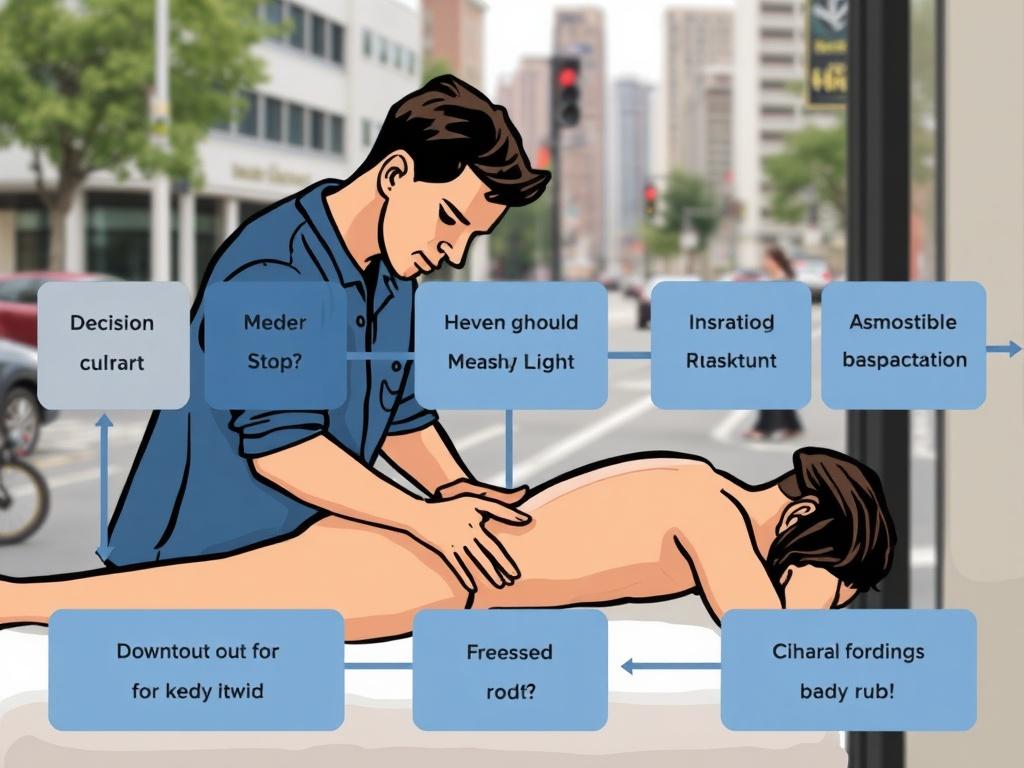
| Step | Action |
|---|---|
| Research | Check licensing, read reviews, confirm address and hours |
| Contact | Call and ask about credentials, treatment type, and pricing |
| Arrival | Confirm identity, fill out intake, observe cleanliness |
| Session | Communicate preferences; expect draping and consent |
| Post-session | Get a receipt. Report any misconduct to authorities if needed |
Practical Tips for Travelers
If you’re visiting a city and searching for a downtown body rub, plan ahead rather than accepting the first offer you see. Use booking platforms with verified reviews, choose establishments affiliated with recognized organizations, and consider daytime appointments in busy, reputable parts of town. Carry proof of identity and a card for emergency contacts, and let someone know where you’re going if you’ll be alone.
Wrapping Up Your Search
“Downtown body rub” can point to anything from a therapeutic massage at a licensed clinic to services operating in legal gray areas. The difference between a safe, beneficial session and a risky encounter usually comes down to transparency and professionalism. Focus on licensed providers, clear pricing, informed consent, and open communication. That way your downtown body rub becomes what it should be: a straightforward chance to relax, recover, or alleviate pain without surprises.
Conclusion
When navigating the phrase “downtown body rub,” trust your instincts, prioritize licensed professionals, and value clear communication; doing so lets you enjoy the benefits of bodywork while staying safe and within the law.