


Walking into a spa or massage room can feel a little like stepping into another world — the lighting soft, scents gentle, and a quiet promise of relief hanging in the air. If you’ve never had a body rub before, or if you want to understand what makes a good one, this article will walk you through the entire journey: what a body rub is, the different styles available, how to prepare, what happens during a session, safety and etiquette, and how to pick a practitioner who meets your needs. I’ll explain things plainly and practically, with tips you can use the first time you book and reminders for people who go regularly. No jargon. No fluff. Just a clear, human guide to getting the most from your next session.
Defining “Body Rub” — Terms and Boundaries
The term “body rub” is broad. At its most professional, it means a hands-on therapy where a trained practitioner uses massage techniques to relieve muscle tension, improve circulation, and promote relaxation. In everyday use, though, the phrase can mean slightly different things depending on the setting and the laws of the place you live. It’s important to know the difference between therapeutic massage, reflexology, and any services that may cross into sexual territory; a reputable clinic will make its scope and qualifications clear.
Therapeutic body rubs are performed by licensed massage therapists or trained spa professionals who follow a scope of practice: they work with muscles, fascia, and connective tissue to address pain, stiffness, and stress. Practices that include sexual services are outside the professional standards of regulated massage therapy and are, in many places, illegal. When you’re choosing a provider, look for credentials, clear service descriptions, and transparent pricing. Those are reliable signals of a legitimate, professional experience.
Types of Body Rubs and What They Aim To Do
There are many massage styles. Each uses different techniques and has distinct goals — relaxation, rehabilitation, stress reduction, or scented-lotion pampering. Here’s an overview of common types and what clients typically experience during them.
Swedish Massage
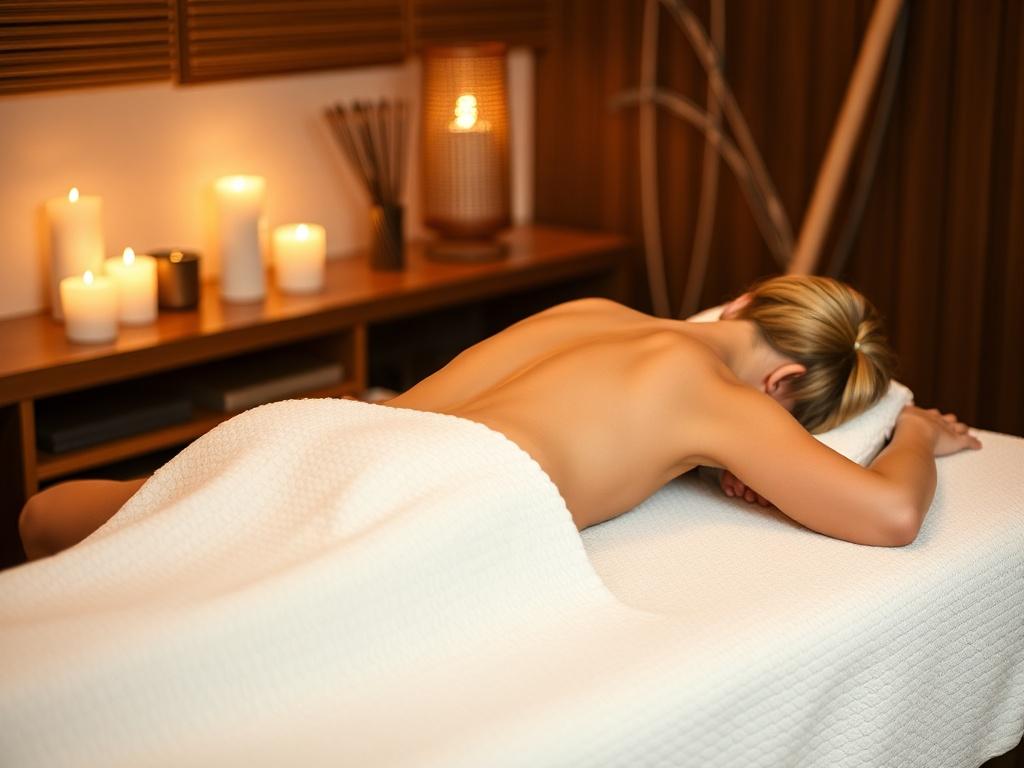
Swedish massage is the classic “relaxation” style most people think of first. It uses long gliding strokes, kneading, and light tapping to relax muscles and encourage blood flow. Pressure can be adjusted from light to firm, and the overall pace is meant to soothe.
Deep Tissue Massage
Deep tissue work targets deeper layers of muscle and connective tissue. Therapists apply slow, firm pressure and focused strokes to break up adhesions and ease chronic tension. It can be intense, and short-term discomfort is sometimes part of the process.
Sports Massage
Designed for active people, sports massage emphasizes techniques that prepare the body for exercise, improve flexibility, and speed recovery. It often combines lighter, warming strokes with targeted deep work.
Myofascial Release and Trigger Point Therapy
These are more specialized approaches aimed at releasing tight bands of fascia or deactivating painful trigger points. Sessions can feel highly focused on small areas rather than the whole body.
Thai, Shiatsu, and Other Modalities
Thai massage uses assisted stretches and pressure along energy lines, often performed on a mat with the client clothed. Shiatsu is a Japanese technique applying pressure with thumbs and palms along meridians to balance energy and ease tension. Both styles can feel markedly different from oil-based table work.
Hot Stone, Aromatherapy, and Spa Enhancements
Many spas add elements like hot stones for deeper warmth, essential oils for scent-based relaxation, or scrubs and wraps for skin benefits. These are typically light on technique but heavy on sensory experience.
Before the Session: Booking, Questions, and Preparation
Good preparation makes the difference between an awkward session and a restorative one. Booking clearly, arriving on time, and communicating your health history and expectations set the stage for a successful body rub.
When you book, ask about the practitioner’s qualifications, the length and cost of the session, and what the session includes (table time only, oil, hot stones, etc.). If you have medical conditions — pregnancy, recent surgery, blood clotting disorders, high blood pressure, or skin infections — mention them before your appointment. These details determine technique and may require medical clearance.
How to Dress and What to Bring
0
On arrival, you’ll typically be asked to undress to your comfort level. Most people undress fully and remain draped with a sheet; some choose to keep underwear on. For Thai or chair massage, you stay fully clothed. Bring loose, comfortable clothing to change into afterward and any paperwork or referral notes if you have them.
Hygiene and Etiquette
Good hygiene is appreciated: showering beforehand and arriving clean helps both parties relax. Turn off your phone and be ready to focus on the experience. If you feel nervous, know that your therapist expects that and will help you settle in.
The First Minutes: Intake and Setting Boundaries
Most sessions begin with a brief intake or consultation. The therapist will ask about your goals (relaxation, pain relief, range-of-motion), recent injuries, medications, and whether you prefer light, medium, or firm pressure. This is the time to set boundaries — where you want extra attention and where you do not. Clarify if you prefer music, silence, scented oils, or no oils at all. Honest communication up front reduces awkwardness mid-session.
If at any point you feel uncomfortable with touch, pressure, or a practitioner’s behavior, speak up. A professional therapist will stop, adjust, and check in. If the practitioner ignores your boundaries or makes you feel unsafe, end the session and report the incident to the facility.
What Happens During a Typical Session
While techniques vary by modality, most body rub sessions follow a familiar structure: a warmup to increase blood flow, targeted work on problem areas, and a calming finish. Below is a typical flow you might encounter during a 60‑ to 90‑minute table session.
- Arrival and changing: You change into the robe or prepare on the table, draped under a sheet.
- Warmup: Light effleurage (long strokes) heats muscles and eases the nervous system.
- Targeted work: The therapist addresses knots, tight bands, or areas of pain using kneading, friction, or deeper pressure as requested.
- Rebalancing movements: Passive stretches or joint mobilizations may be included to restore mobility.
- Cool down: Lighter strokes and rhythmic touch bring the body back to a calm baseline.
- Post-session briefing: The therapist reviews what was done and may offer home-care tips.
Throughout, draping protects your privacy and keeps you warm. The therapist will uncover only the area they’re working on. If oils or creams are used, they’re applied in measured amounts and warmed by the therapist’s hands.
Pressure and Feedback
Pressure is a conversation between you and your therapist. Therapists often check in verbally or by asking you to rate pressure on a scale. You know your body best; say “more,” “less,” or “that’s perfect.” A good therapist adjusts immediately and may explain why a deeper or lighter touch is useful in certain spots.
Understanding Sensations During and After a Session
During a body rub you may feel relaxed, sleepy, slightly emotional, or even energized. Deep tissue work can produce soreness similar to after a workout — a sign that tight tissues are being released. Mild aching or tiredness typically fades within 24 to 72 hours. Drinking water, resting, and a gentle stretch routine help reduce soreness and aid recovery.
Sometimes a session unlocks unexpected emotions; physical tension and emotional stress are often intertwined. If feelings rise, it’s a natural response and you can tell your therapist if you want them to pause or continue. Skilled practitioners handle such moments with professionalism and care.
Safety, Contraindications, and Red Flags
Massage is safe for most people, but there are important exceptions. If you have a recent fracture, deep vein thrombosis, uncontrolled high blood pressure, certain skin conditions, or infectious diseases, massage may be inappropriate or require modification. Pregnant clients should seek therapists trained in prenatal massage. Always consult your physician if you have significant health concerns.
Red flags in a provider include vagueness about training, unwillingness to discuss scope, pressure to accept services that seem sexual or out of scope, or not asking about medical history. Trust your instincts. If anything feels off, you don’t have to proceed.
Choosing a Practitioner: Credentials and Questions to Ask
Choosing a practitioner is partly about qualifications and partly about fit. Look for a licensed massage therapist (LMT) where licensing exists; in many countries that means a certification from a recognized school and continuing education. Inquire about the practitioner’s specialties and years of experience. If you have a specific issue — like sciatica or plantar fasciitis — ask whether they treat that regularly.
- Are you licensed or certified? What training did you complete?
- What massage styles do you practice? Which would you recommend for my goals?
- Do you have experience with my condition (pregnancy, injury, chronic pain)?
- What is your cancellation policy and pricing structure?
- Do you work with physicians or other therapists if I need a referral?
Reviews and word-of-mouth matter. A short online search can reveal complaints or praise. Trust signals include membership in professional associations, clear cancellation policies, and a clean, professional environment.
Cost, Session Length, and What’s Typical
Massage pricing varies widely by location, experience, and facility type. Typical session lengths are 30, 60, 75, or 90 minutes. For full-body relaxation, 60–90 minutes is common; for targeted work, 30–45 minutes may be sufficient. Expect higher costs for advanced specialists or luxury spas. Many clinics offer package deals or memberships that reduce per-session cost if you plan regular appointments.
| Session Length | Typical Uses | When to Choose |
|---|---|---|
| 30 minutes | Focused pain relief, neck/shoulder or lower-back work | When you have a specific area to address or constrained time |
| 60 minutes | Full-body relaxation with time for targeted areas | Good baseline for general well-being and stress relief |
| 75–90 minutes | Deeper work and thorough treatment of multiple areas | If you need extended care or a more leisurely experience |
Self-Care After a Body Rub
Aftercare makes your gains last. In the 24 hours after a session, stay hydrated, avoid alcohol, and allow gentle movement rather than jumping into intense exercise. A warm bath can soothe lingering soreness, but avoid very hot tubs immediately after deep tissue work if you feel lightheaded. Apply heat to stiff spots, and use ice if you have acute inflammation. Your therapist may provide stretches or strengthening suggestions; follow those to support long-term benefits.
Home Routines to Extend Benefits
- Daily gentle stretching for 5–10 minutes to maintain mobility.
- Foam rolling for large muscle groups like quads and calves.
- Hydration and sleep to help tissues recover and rebuild.
- Scheduled maintenance sessions: frequency depends on goals (monthly for relaxation, weekly for chronic issues).
Etiquette: Tipping, Gratitude, and Professional Boundaries
Etiquette varies by culture and country. In many places tipping 15–20% is standard for private clinics and spas. If you’re unsure, ask the front desk about their policy. Express gratitude by booking again or leaving a positive review if you enjoyed the session — those are meaningful ways to support a practitioner. Respect professional boundaries: refrain from sexual comments or requests that fall outside the therapist’s scope. Practitioners set clear rules about draping and touch; honor them to keep the environment safe and respectful.
How to Maximize Outcomes: Practical Tips
Small choices before and after a session change the result. Eat lightly if you’re booking a longer, deeper session; arriving with a full stomach can be uncomfortable. Schedule massages at a time that allows you to relax afterward, not right before a demanding meeting. Consistency beats intensity: regular, moderate sessions often outperform occasional intense treatments for chronic issues.
Common Myths and Misconceptions
Massage is sometimes surrounded by half-truths. Here are a few myths and the reality behind them:
- Myth: Massage can cure diseases. Reality: Massage relieves symptoms, aids recovery, and supports health but is not a stand-alone cure for medical conditions.
- Myth: The more painful the massage, the better. Reality: Pain is not always productive; effective work often blends pressure with relaxation. Communication matters.
- Myth: You must tell the therapist everything about your medical history. Reality: Share relevant details, but you don’t need to disclose unrelated personal matters. Focus on what affects the treatment.
Special Considerations: Pregnancy, Older Adults, and Children
Prenatal massage requires training in positioning and contraindications. Therapists use side-lying positions and avoid deep abdominal or certain pressure points. If you’re pregnant, seek a therapist certified in prenatal massage.
Older adults often benefit from gentler modalities and attention to bone health. Practitioners should be aware of osteoporosis, fragile skin, and medication effects on circulation. For children and adolescents, parental consent is mandatory and techniques are modified to age-appropriate pressure and session length. In all cases, choose a therapist experienced with the specific population.
Red Flags and When to Stop a Session
Stop the session if you experience sharp pain, tingling, numbness, dizziness, or any other alarming symptom. Tell the therapist immediately. If they dismiss your concerns or pressure you to continue, leave and seek a different provider. Trust and safety should be the foundation of every body rub experience.
Comparing Modalities: Quick Reference Table
| Modality | Main Focus | Sensation | Best For |
|---|---|---|---|
| Swedish | Relaxation, circulation | Gentle to moderate | Stress relief, first-time clients |
| Deep Tissue | Chronic tension, adhesions | Firm, may be uncomfortable | Chronic neck/back pain |
| Sports | Mobility, injury prevention | Variable, targeted | Athletes, active clients |
| Shiatsu/Thai | Energy balance, stretching | Pressure and assisted movement | Range of motion and energy work |
| Hot Stone | Muscle warming, relaxation | Warmth plus light pressure | Tension with chill sensitivity |
Pricing Transparency and Packages
Legitimate practices provide clear pricing lists and describe what’s included. Packages and memberships can be economical for regular clients; ask about the terms, expiry, and transferability. Watch out for “all-in-one” deals that sound too good to be true; sometimes they mask inexperienced staff or hidden fees. A reputable spa or clinic will gladly explain what you get for each price point.
What to Do If You Experience an Adverse Reaction
If you have an immediate adverse reaction — persistent sharp pain, lightheadedness, or a skin reaction — stop treatment and notify the therapist. Seek medical attention if symptoms are severe. For less acute responses like soreness or mild bruising, follow aftercare guidance: hydration, rest, gentle movement, and heat or cold as appropriate. If a pattern of negative responses occurs across multiple sessions, stop and consult your physician for assessment before continuing.
Making Massage Part of a Healthy Routine
Massage is most effective when it complements other healthy choices: regular exercise, good sleep, stress management, and balanced nutrition. Treat body rub sessions as maintenance rather than a one-off fix. Periodic check-ins with a therapist can help you tweak posture, address emerging issues early, and keep small problems from becoming big ones.
Scheduling Tips for Ongoing Comfort
- Weekly: For acute injury recovery or intense training cycles.
- Biweekly: For chronic pain management or high-stress periods.
- Monthly: For general relaxation and preventative care.
- On-demand: After long travel, heavy physical work, or notable stress spikes.
Frequently Asked Questions
Will my insurance cover a body rub?
Some health plans cover massage therapy when prescribed by a physician or performed by a licensed therapist for a documented medical condition. Coverage varies widely; check your policy or ask the clinic for billing support or receipts you can submit to your insurer.
Can massage worsen an injury?
If performed inappropriately, massage can aggravate certain injuries. That’s why accurate health histories and experienced therapists matter. When in doubt, consult a physician before booking deep or vigorous sessions for a recent injury.
Is it normal to become emotional during a session?
Yes. Massage can release emotional tension tied to physical holding patterns. Therapists are trained to respond calmly and professionally. You can ask for a moment to regroup, or request music or silence if you prefer distraction or privacy.
How soon will I feel benefits?
Many people feel immediate relaxation and reduced stiffness after a session. For chronic conditions, a course of treatment typically yields more lasting improvements. The timeframe depends on the issue’s nature, consistency of sessions, and complementary self-care.
Ethical Considerations and Cultural Sensitivity
Massage is practiced in diverse cultural contexts, each with its own norms. Professionals should be culturally sensitive, respecting personal boundaries, modesty preferences, and religious considerations. As a client, communicate any cultural needs in advance so the practitioner can adapt draping, music choice, or communication style accordingly.
When to Seek Specialized Care Instead
If pain is severe, progressive, accompanied by fever, unexplained weight loss, or neurological signs like numbness and weakness, seek medical evaluation. Massage is supportive but not a substitute for medical treatment when symptoms suggest serious underlying conditions. Your therapist can advise when to see a physician and may work in collaboration with other healthcare providers.
Building a Relationship with Your Therapist
A successful therapeutic relationship is built on mutual respect and clear communication. Over time, a therapist who knows your body will provide more tailored, efficient care. Keep a simple log of pain levels, sleep quality, and mobility between sessions so you can track progress together. Good therapists welcome feedback and adapt techniques as you change.
Final Practical Checklist Before Your First (or Next) Body Rub
- Confirm the practitioner’s credentials and professionalism.
- Clarify session length, price, and cancellation terms.
- Note medical conditions and medications on intake form.
- Arrive clean, hydrated, and with a light meal if needed.
- Communicate pressure preferences and any sensitive areas.
- Plan low‑activity time after your session to enjoy the benefits.
- Follow aftercare recommendations and schedule a follow-up if needed.
Conclusion
A well-delivered body rub is both practical and restorative: it eases muscle tension, supports recovery, and offers a peaceful mini-retreat from daily stress. Start with clear communication, choose a trained practitioner, and treat sessions as part of ongoing self-care rather than a one-time fix. With the right preparation and realistic expectations, a body rub can be a safe, effective, and surprisingly simple way to feel better in your body and clearer in your mind.