
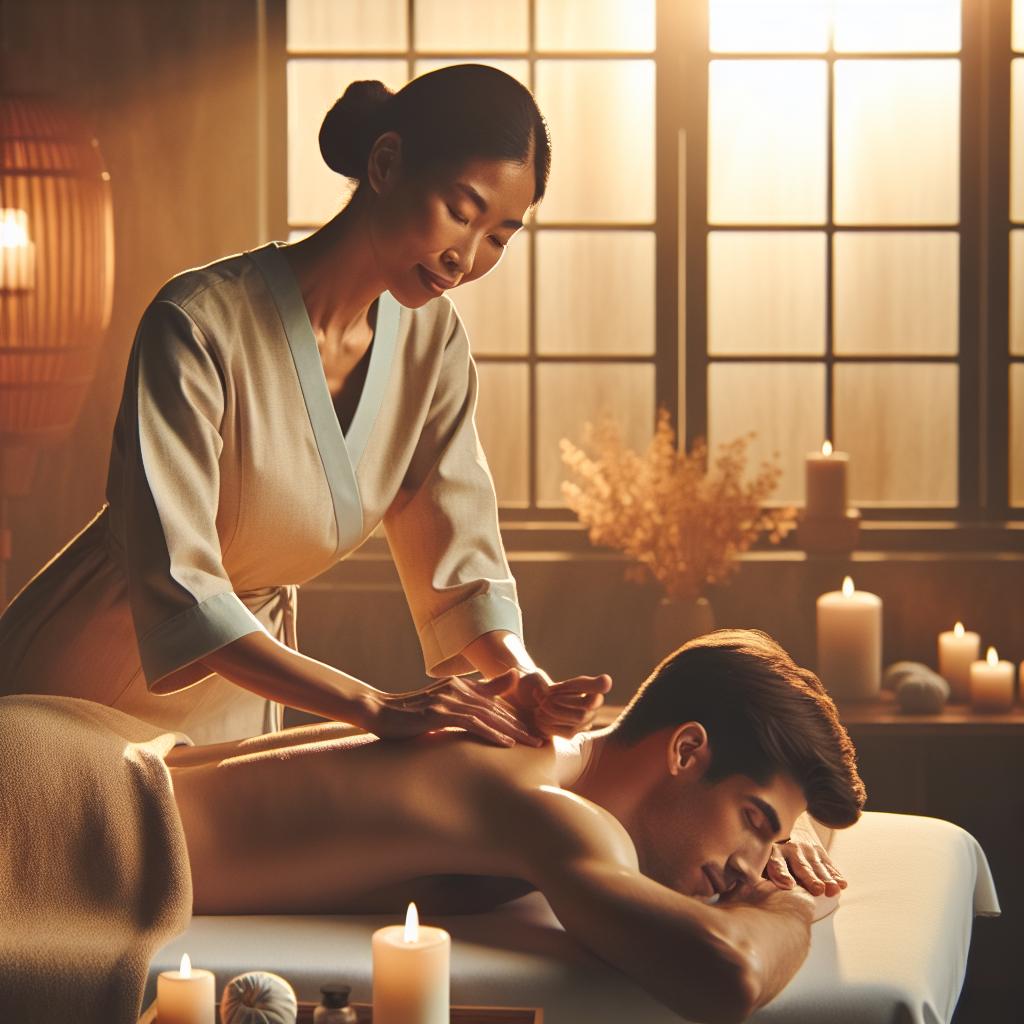
Imagine stepping into a serene spa, the gentle scent of essential oils fills the air, and soft music creates a soothing backdrop. A full body rub is more than just a luxurious treat; it’s an experience that can significantly enhance your physical and mental health. Whether you’re seeking to unwind after a hectic week, relieve muscle tension, or simply indulge in self-care, a well-executed full body rub can offer all that and more. But what exactly makes a full body rub so effective? And how can you ensure you’re getting the most out of your time? Let’s explore everything you need to know about achieving the perfect full body rub—from techniques and benefits to tips on creating the right environment.
Understanding What a Full Body Rub Is
A full body rub is a massage that involves covering the entire body, including areas like the back, shoulders, arms, legs, and sometimes the face and scalp. The purpose of this practice is to promote relaxation, relieve muscle tension, improve circulation, and foster a general sense of well-being. While there are many variations—from Swedish massage to aromatherapy sessions—the core idea remains the same: applying gentle yet firm pressure to different parts of the body to release stress and promote health.
This practice isn’t just a luxury—it’s an age-old technique used in many cultures worldwide, from traditional Asian massages to European spa rituals. Today, many people incorporate regular full body rubs into their routine as a form of self-care, stress management, and even as a natural way to soothe chronic pain. If you’re new to this practice, it’s important to understand the fundamental techniques and the best ways to create a calming atmosphere.
The Benefits of a Full Body Rub
Engaging in a full body rub brings a multitude of benefits, both physical and mental. Here’s a quick look at some of the most notable advantages:
| Benefit | Description |
|---|---|
| Stress Reduction | Gentle massage releases endorphins, helping to lower stress hormones and promote relaxation. |
| Muscle Tension Relief | Massaging tight or sore muscles alleviates discomfort and improves flexibility. |
| Improved Circulation | Applying pressure stimulates blood flow, enhancing oxygen and nutrient delivery to tissues. |
| Detoxification | Encourages lymphatic drainage, helping the body eliminate toxins. |
| Better Sleep | Relaxation from a full body rub can lead to deeper and more restful sleep. |
| Enhanced Skin Health | Massaging with moisturizing oils keeps skin hydrated, smooth, and glowing. |
| Boosted Immune System | Regular massages can strengthen immune response by reducing stress and increasing circulation. |
These benefits highlight why incorporating a full body rub into your wellness routine is a fantastic idea. Not only does it help you unwind, but it also supports your overall health.
Preparing for a Full Body Rub
Creating the perfect environment is key to maximizing the benefits of your full body rub. Here are some essential tips for preparation:
Choosing the Right Space
Pick a quiet, warm, and comfortable room. Dim lighting, soft music, and aromatherapy can help set a relaxing mood. Ensure the space is free of distractions and disturbances.
Gathering Supplies
You’ll need:
- Massage oils or lotions – choose natural, hypoallergenic options, and consider aromatic oils like lavender, eucalyptus, or peppermint.
- Soft towels or sheets – for covering and draping
- Cleanliness – ensure your skin and hands are clean to prevent irritation and infection
Setting the Mood
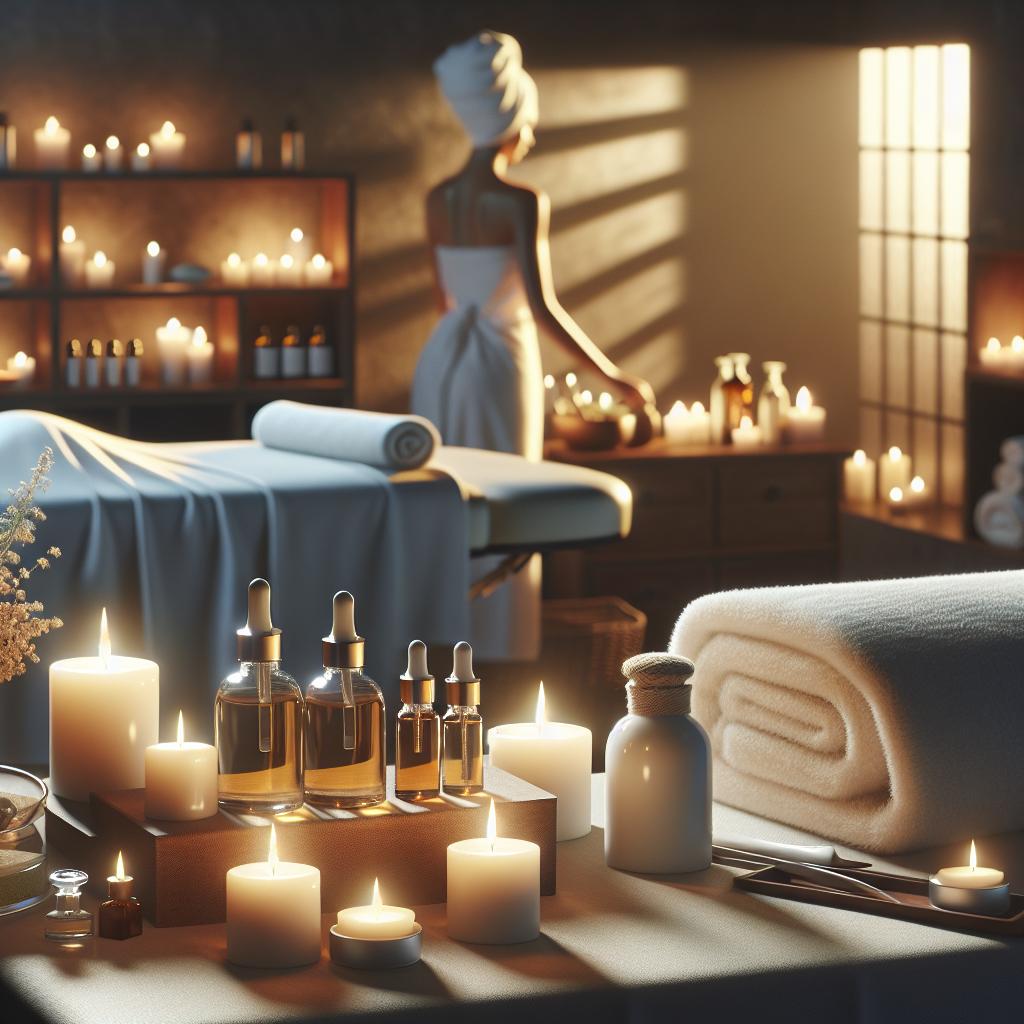
Lighting candles, playing gentle music, and adding air purifiers or diffusers with calming scents can all enhance your overall relaxation experience.
Techniques for a Therapeutic Full Body Rub
Mastering proper massage techniques is crucial for an effective full body rub. Here are some foundational methods along with tips on how to perform them:
Effleurage: Gliding and Stroking
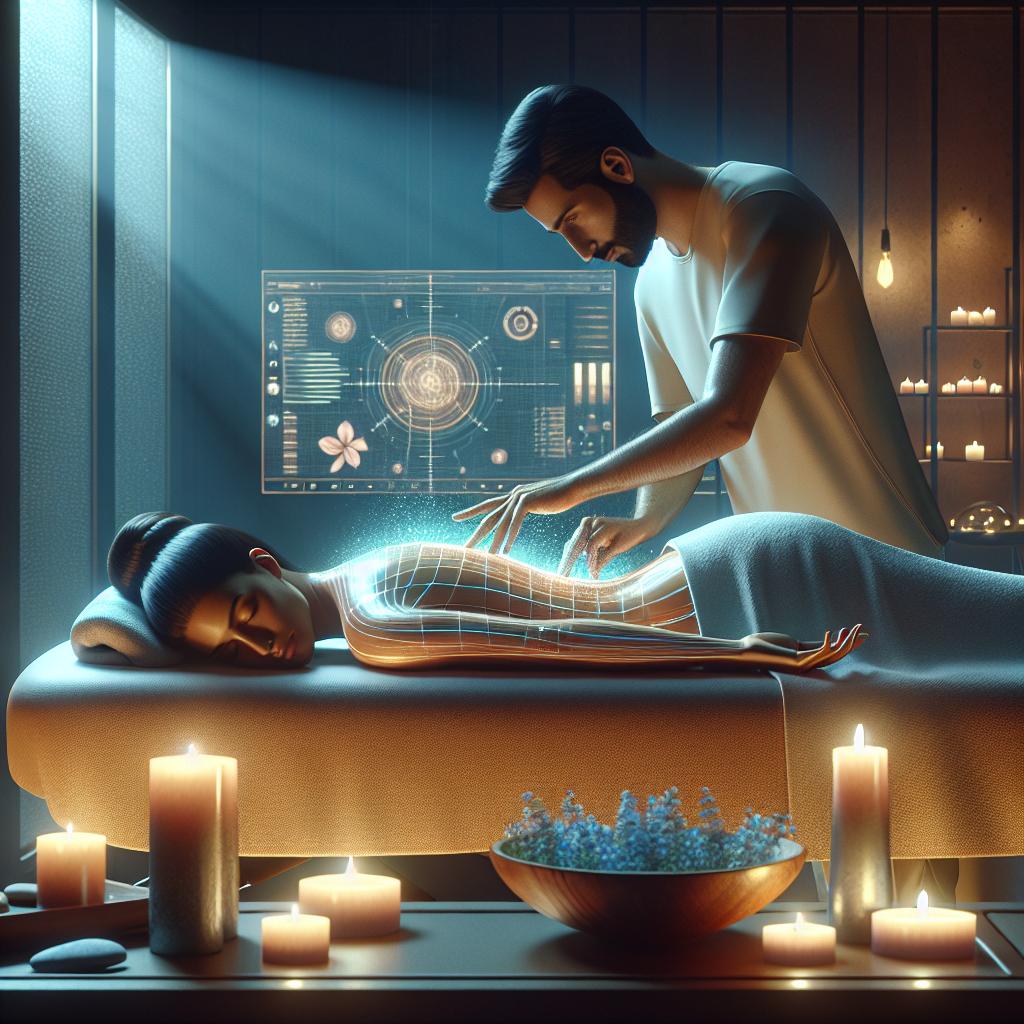
This involves long, gentle strokes that help warm up muscles and disperse tension. Use your palms to glide smoothly over the skin in a flowing motion, starting from the ankles or wrists and moving upwards.
Petrissage: Kneading and Compression
This technique involves kneading muscles gently to loosen up tissue and improve flexibility. Use your hands to lift, squeeze, or roll muscles, especially around tight or sore areas.
Friction: Circular Movements
Apply circular or transverse movements to target deeper layers of muscle. Use your fingertips or thumbs to work on knots or trigger points.
Tapotement: Rhythmic Tapping
Light tapping or percussion can stimulate nerves and invigorate muscles. Use your fingers in a rapid, tapping motion, generally on the back or shoulders.
Step-by-Step Guide to a Full Body Rub
A structured approach ensures a thorough and relaxing massage. Here’s a simple step-by-step process:
1. **Preparation**: Lie down comfortably on a massage table or bed, covered with a towel or sheet, exposing only the part of your body being worked on.
2. **Start with Effleurage**: Begin with gentle strokes on the legs, moving from the ankles up to the thighs, then proceed to the arms and shoulders. This warms up the muscles and helps you relax.
3. **Focus on the Back and Shoulders**: Use kneading and circular friction movements to work out tension. Pay special attention to commonly tense areas like the neck and upper back.
4. **Move to the Legs and Feet**: Use similar techniques, kneading calves and thighs, then massaging the feet with gentle pressure and thumb circles.
5. **Address the Arms**: Glide along the arms, including the forearms and hands, ending with gentle strokes and finger kneading.
6. **Engage the Chest and Abdomen**: Use light, gentle effleurage movements, avoiding deep pressure unless you’re experienced and authorized to do so.
7. **Include the Neck and Head**: Finish with soft strokes on the neck, scalp, and face (if comfortable), promoting overall relaxation.
8. **Wrap Up**: Cover the person with a towel, allow a few moments of rest, and offer water to help hydrate and flush out toxins.
Self-Massage Tips and Tricks
While professional massage therapists are trained in advanced techniques, self-massage can be highly effective when done correctly. Here are some tips:
- Use enough oil or lotion to reduce friction but avoid excessive slickness.
- Apply consistent pressure without causing discomfort.
- Focus on areas that carry tension, like shoulders, neck, and lower back.
- Practice slow, deliberate movements to maximize relaxation.
- Listen to your body—stop or adjust if you feel pain.
Professional vs. Self-Performed Full Body Rub
Deciding between doing a full body rub yourself or seeking professional help depends on various factors. Professional massage therapists have training to access deeper muscles, identify problem areas, and tailor techniques to your needs. They can also incorporate specialty treatments like aromatherapy, deep tissue work, or hot stone therapy for enhanced benefits.
Self-massage, on the other hand, is a convenient and cost-effective way to maintain relaxation daily. Using tools such as massage rollers, gua sha stones, or massage balls can help you reach difficult spots and achieve effective results. Whether professional or DIY, consistent practice is key to gaining the full benefits of a full body rub.
Common Mistakes to Avoid During a Full Body Rub
Even with good intentions, certain mistakes can lessen the effectiveness or comfort of your massage:
- Applying too much pressure, which can cause pain or bruising
- Using harsh or synthetic oils that irritate the skin
- Skipping pre-massage preparation or environment setup
- Neglecting important areas like the neck, shoulders, and feet
- Rushing through the process—relaxation takes time and patience
Avoiding these pitfalls ensures a soothing and beneficial experience every time.
Creating the Perfect Environment for a Full Body Rub
The ambiance plays a vital role in elevating your massage experience. Here are some elements to consider:
- Lighting: Soft, dim lighting or candlelight creates a calming atmosphere
- Sound: Gentle music, nature sounds, or white noise can drown out distractions and foster relaxation
- Scent: Aromatherapy with lavender, chamomile, or ylang-ylang oils enhances mood and reduces stress
- Temperature: Keep the room warm enough to prevent chills, and use heated towels or a heating pad if desired
- Privacy: Ensure you’re in a space where you feel comfortable and free of interruptions
Investing time in setting the right environment makes a noticeable difference in the quality of your full body rub.
Frequency and Duration of Full Body Rubs
How often should you indulge in a full body rub? That depends on your lifestyle, needs, and goals. For general stress relief and maintenance, a session once every one to two weeks is often sufficient. If you’re dealing with chronic pain or muscular issues, more frequent sessions might be beneficial.
As for duration, a typical full body rub lasts between 60 to 90 minutes, allowing enough time to thoroughly cover all areas without feeling rushed. Shorter sessions can focus on specific problem areas, while longer ones provide comprehensive relaxation.
Safety Precautions and When to Seek Professional Help
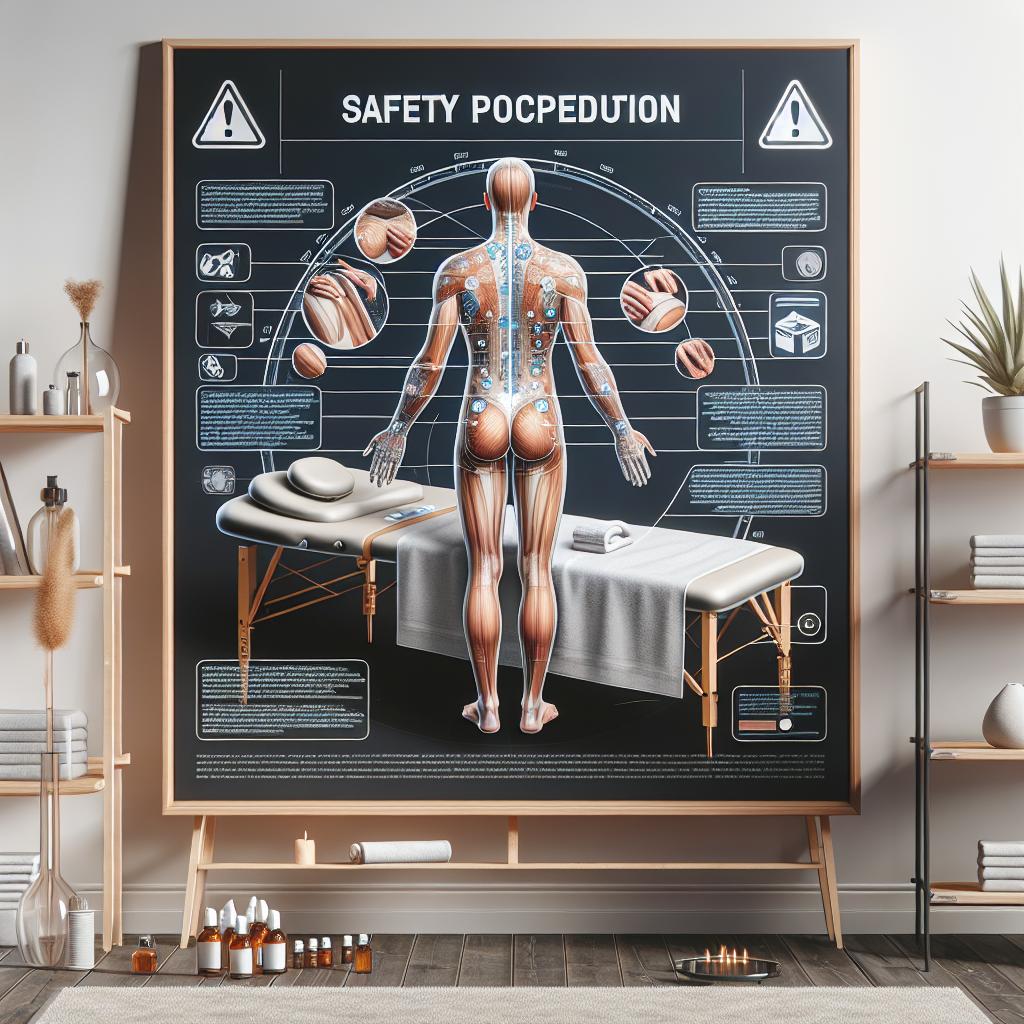
While a full body rub is generally safe, certain precautions should be taken:
- Consult your healthcare provider if you have underlying health conditions such as blood clotting disorders, skin infections, or heart issues
- Avoid massaging areas with open wounds, rashes, or inflammation
- Use gentle pressure for pregnant women, especially on the abdomen and lower back, unless directed otherwise by a professional
- Discontinue if you experience dizziness, pain, or discomfort
In complex cases or when in doubt, consulting a licensed massage therapist or healthcare provider ensures a safe and effective experience.
Conclusion
A full body rub is a wonderful way to nurture both your body and mind. It’s a practice that provides extensive physical benefits like muscle tension relief, improved circulation, and skin health, while also offering mental benefits such as stress reduction and enhanced sleep. Creating an inviting environment, choosing the right techniques, and understanding your own needs are essential steps to mastering this art of relaxation. Whether you opt for professional services or prefer to practice self-massage at home, consistency and attentiveness will help you reap the full rewards. Making a full body rub a regular part of your wellness routine can transform your overall quality of life, turning moments of self-care into powerful rituals of health and relaxation. Embrace the experience, experiment with different oils and techniques, and enjoy the profound calm that a well-executed full body rub can bring—you deserve it.