

When you hear the phrase “body rub,” what immediately comes to mind? For some, it conjures images of professional massage therapists easing away stress and tension. For others, it might evoke curiosity or even skepticism, especially when the term is linked to more controversial meanings. The legality of body rubs is a complex topic that varies greatly depending on the location, context, and the specific services being offered. If you’re scratching your head, asking yourself, “Are body rubs legal?” then you’re not alone. Many people are confused about where the line is drawn between legitimate massage practices and illegal activities. So, let’s take a deep dive into the laws, myths, and truths surrounding body rubs to better understand what’s allowed and what’s not.
Understanding What a Body Rub Is
Before we tackle the legal aspects, it’s important to define what a body rub typically entails. Traditionally, a body rub refers to a massage—whether done professionally in a spa or clinic or informally between friends—aimed at relaxing muscles, relieving pain, or improving circulation. However, in some contexts, the term has been associated with services that cross into illicit territory, such as sexual services. This is where the law becomes complicated because intent, consent, and the nature of the service are key factors that influence legality.
Legitimate body rubs are usually performed by licensed massage therapists who adhere to strict regulations regarding safety, hygiene, and ethical conduct. These services usually involve a professional, non-sexual touch designed solely for therapeutic benefits. On the flip side, illegal body rub services offer sexual favors in exchange for money, which is clearly against the law in many jurisdictions. Distinguishing between these two types is crucial for understanding the legal landscape.
The Legal Framework Governing Body Rubs
The legality of body rubs depends heavily on local, state, or national laws. In most places, professional massage therapy is a regulated occupation. It involves licensing, certifications, and adherence to strict standards meant to protect consumers. If a body rub service is provided by a licensed therapist following legal protocols, then it’s generally considered perfectly legal.
However, issues arise when the service crosses into illegal territory, often due to the involvement of illicit activities such as solicitation of prostitution or human trafficking. Laws vary significantly, so it’s important to look at how specific regions define and regulate massage services.
Licensed Massage Therapy vs. Unlicensed Services
The key distinction in legality often boils down to licensing. Here is an overview:
| Licensed Massage Therapy | Unlicensed or Illicit Services |
|---|---|
| Performed by certified and licensed professionals | May involve unqualified individuals or illegal operators |
| Focus on therapeutic techniques | May include sexual acts or suggestive behavior |
| Subject to regulations, inspections, and ethical standards | Often operate in secrecy and violate laws |
| Legal in most jurisdictions when within legal boundaries | Illegal in many regions, especially if sexual services are involved |
If you’re considering a massage, verify that the provider is licensed and operates within the scope of the law. Doing so not only ensures legality but also safeguards your health and safety.
The Difference Between Legal and Illegal Body Rubs
Understanding the key differences helps clarify the legal landscape. Here’s a simple breakdown:
- Legal Body Rubs: Performed by licensed professionals, focus solely on therapeutic touch, and are transparent about services offered. They typically have storefronts or clinics with licenses and permits displayed.
- Illegal Body Rubs: Often clandestine, performed by individuals without proper certification, and may include sexual acts in exchange for money. They sometimes operate under the guise of massage parlors but are involved in illegal activities.
Many jurisdictions have cracked down on illegal establishments, making it risky for consumers and operators alike. Law enforcement agencies often conduct raids and shut down illegal operations, emphasizing that engaging with unlicensed providers can lead to serious legal consequences.
The Myths and Misconceptions About Body Rubs’ Legality
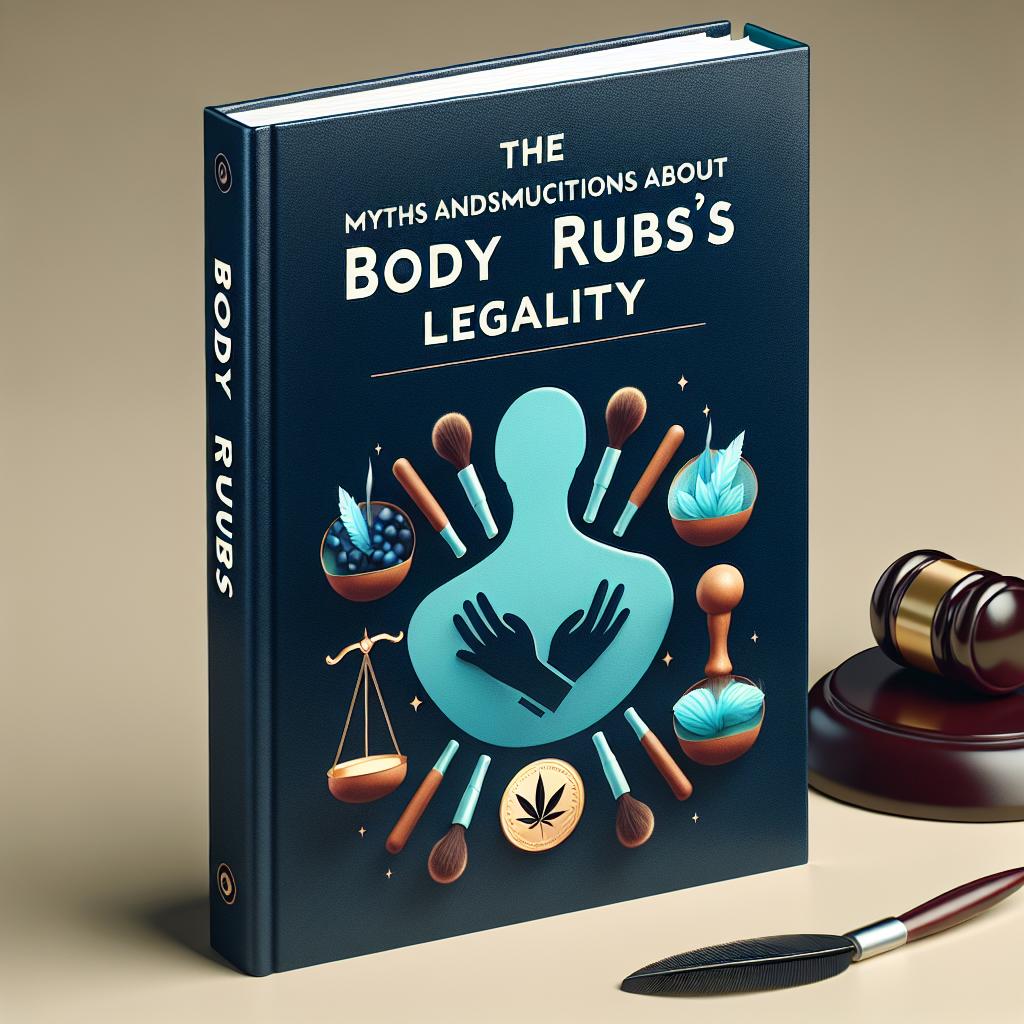
Despite clear laws and regulations, there’s a lot of misinformation. Some common myths include:
Myth 1: All body rubs are illegal if they’re done for money.
False. Legitimate massage services provided by licensed therapists are legal in most places, regardless of payment. The key is whether the service complies with licensing and regulation standards.
Myth 2: If a body rub feels good, it must be illegal.
Not true. Pleasure or relaxation during a massage is normal and legal—only if the massage is performed by a certified professional for therapeutic purposes.
Myth 3: You can tell if a body rub is legal just by looking at it.
Not necessarily. Many illegal operations attempt to disguise themselves as legitimate businesses. Always verify licensing and reputation.
Legal Risks Involved in Unlawful Body Rub Services

Engaging with illegal body rub services can have serious legal and personal consequences. Here are some of the risks involved:
- Criminal charges: Solicitation, prostitution, or operating an illegal business can lead to fines or jail time.
- Health concerns: Unregulated establishments may not follow hygiene standards, increasing risks of infections.
- Financial loss: Money spent on illegal services may be unprotected and unrecoverable.
- Reputation damage: Getting involved with illegal activities can harm personal reputation and future opportunities.
Therefore, always choose licensed, reputable providers to avoid these dangers.
How to Identify a Legitimate Body Rub Service
If you want to enjoy a safe, legal, and professional massage experience, here are some tips to identify legitimate services:
- Check for a valid license or certification displayed prominently.
- Research reviews and reputation of the service provider online.
- Verify that the establishment is registered with local health and business authorities.
- Ensure the practitioner is qualified and certified as required in your region.
- Avoid establishments that offer services outside the scope of traditional massage, especially those that are suggestive or solicit sexual acts.
Knowing these indicators helps you avoid illegal operations and ensures you receive quality care.
Legal Status of Body Rubs in Different Jurisdictions

The legal classification of body rubs varies worldwide. Here’s a brief overview:
| Region | Legal Status | Notes |
|---|---|---|
| United States | Legal if performed by licensed therapists; illegal if involving sexual acts or solicitation | |
| European Union | Varies; most countries regulate massage as a professional service | |
| Asia (e.g., Japan, South Korea) | Widely regulated; massage is a recognized profession with licensing requirements | |
| Australia | Regulated; laws prohibit sexual services in massage establishments |
Knowing your local laws is essential before seeking or offering body rub services.
Conclusion
In summary, the question “Are body rubs legal?” doesn’t have a straightforward answer—it depends largely on the context, location, and the nature of the service being provided. Legitimate, professional body rubs performed by licensed massage therapists are generally legal and widely accepted as a beneficial health service. However, when these services cross into areas involving sexual activities or operate clandestinely, they become illegal and can carry serious consequences for everyone involved. It’s important to do your research: verify licensing, understand local laws, and choose reputable providers. The best way to enjoy the benefits of body rubs while staying within legal boundaries is to seek services from certified professionals who prioritize safety, hygiene, and ethical standards. By understanding the distinctions and being informed, you can make smart choices that protect your legal standing and personal well-being.